Troubleshooting & Analysis
I waited too long, and my gums paid for it
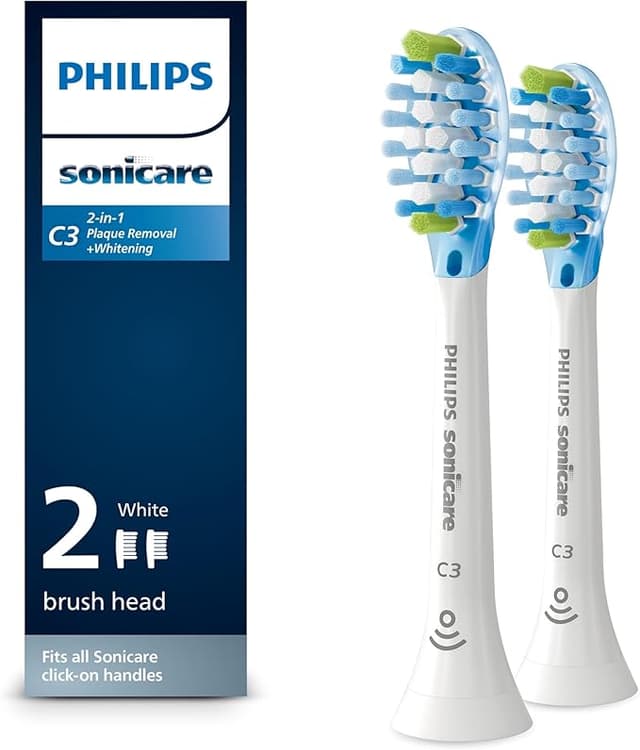
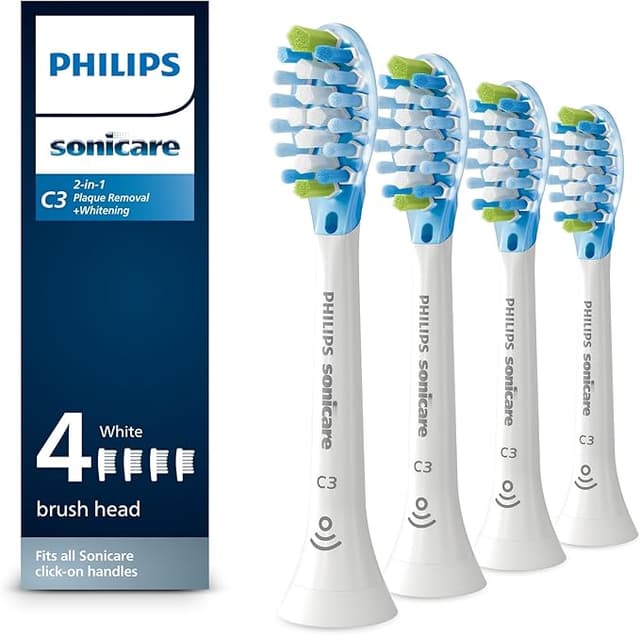
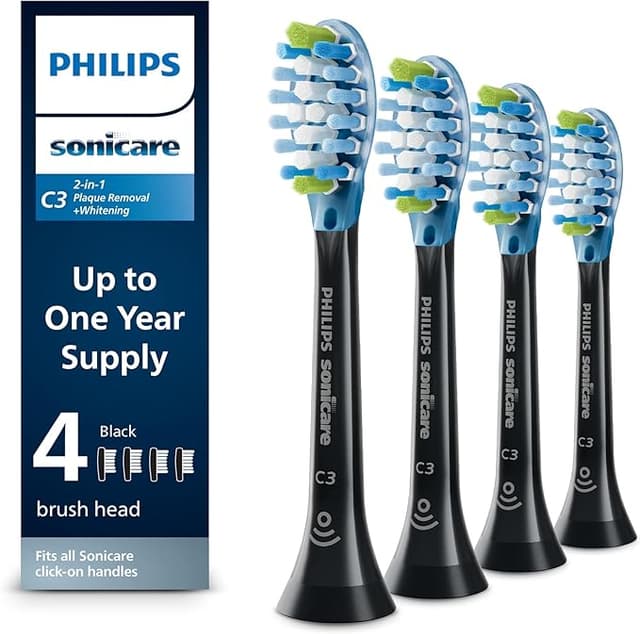
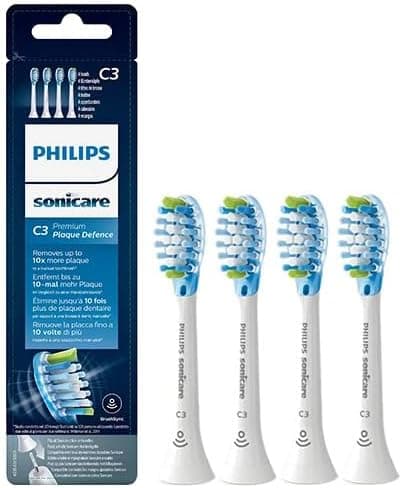
The morning it clicked for me, I'd had the same brush head on my Philips W3 for what was probably closer to seven months than three. Bristles splayed out flat like a worn-out broom, the blue indicator dye long gone, faded to white. I spat into the sink and there was pink in it. Not a lot. Enough. My dentist had warned me about exactly this at my last cleaning — worn bristles don't just stop cleaning, they start scrubbing your gumline with frayed plastic edges, and a head that old is basically a damp petri dish you press against your teeth twice a day. Millions of bacteria. She wasn't being dramatic. The brush head on a PHILIPS-W3-B0DNMCR3PB is supposed to get swapped every three months, and I'd treated mine like it was immortal.
So I went to reorder. And that's when the second problem hit me: the genuine Philips heads wanted roughly $12 a pop. Buy a four-pack of the real ones and you're looking at close to $48 for a year of brush heads. For little plastic-and-bristle replacements. That's the part that always made me drag my feet on replacing them on schedule — the OEM price quietly trains you to stretch a head from three months to six because the next one stings.
What pushed me to try the compatible heads
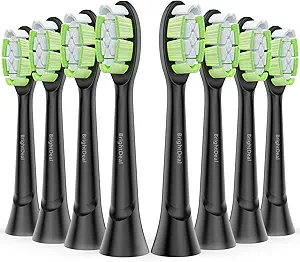
I'd been burned by cheap aftermarket stuff before, so I wasn't expecting much. But the math was hard to argue with. The compatible heads I landed on run about $24 for an eight-pack — same money as two OEM heads gets you a full two years' worth. And the listing claimed actual Dupont bristles, not some no-name nylon. Dupont is the same bristle supplier the name-brand heads lean on, so if that part's true, the thing doing the actual cleaning is identical. I figured for the price gap I'd find out fast whether it was a scam.
Install was a non-event, which is what you want. You pull the old head straight off the metal shaft — sometimes the old gunked-up one needs a wiggle — rinse the shaft under warm water for a second, and push the new one on until it clicks. That click matters. It's how you know it seated. The compatible head clicked the same way the Philips one does, maybe with a hair more resistance the first time. Snug, no rattle when the motor runs. I've now cycled through three of the eight over about nine months, and every one has seated clean.
How it actually brushes
Honestly? I can't tell the difference in my mouth. The oscillation feels the same, the bristle stiffness is right — firm but not punishing — and my teeth pass the tongue test the same way they did on OEM, that squeaky-clean glide along the front surfaces. The Dupont bristle claim seems to hold up, because cheap bristles go soft and useless inside a few weeks, and these have held their shape. The little color indicator stripe fades on schedule too, which is a small thing but it's the reminder system that keeps me honest about the three-month swap now that swapping doesn't cost a fortune.
The downsides — and there are real ones
Let me not pretend this is flawless, because it isn't.
First, the smell. Out of the wrapper, the first two or three uses had a faint plastic-y, slightly chemical odor. Not strong, and it rinsed off more each day until it was gone by about day three — but it's there, and the OEM heads don't really do that. If you're sensitive to that kind of thing, run the head under hot water and do a dry test-brush before the first real use. It knocks most of it out.
Second, the packaging is cheap and a little annoying. The OEM heads come individually capped in those hygienic little hoods. These eight came loose-ish in a single blister tray, no individual caps. So if you toss the spares in a drawer, they're exposed. I keep mine in a small zip bag now. Minor, but it's the kind of corner-cutting that tells you where the savings came from.
Third — and this is the one to actually weigh — fit tolerance is a touch looser than factory. Not loose enough to wobble or fly off, not even close. But if I look hard, the seam where the head meets the base on the W3 has the tiniest bit more play than a real Philips head does. After nine months of daily use none of mine have loosened, slipped, or cracked. But I'd be lying if I said the manufacturing was machined to the exact same tolerance. It's 95% of the way there, and the missing 5% is cosmetic, not functional, as far as I've been able to tell.
One more honest note on durability: I haven't run a single head past its three-month window, on purpose, because the whole point of buying eight is that you stop hoarding them. I can't tell you whether one of these would survive being abused for six months the way I abused my last OEM head. My guess is it'd splay out around the same time — bristles are bristles.
Who should skip this
If you're someone who genuinely cannot stand any break-in smell, or you want the individually-sealed hygienic caps for travel, or you just sleep better with the Philips name stamped on the thing — buy the OEM heads. No shame in it. The $48-a-year version exists for a reason and it's a perfectly good product.
But here's where I've landed after the better part of a year. The thing that does the cleaning — the Dupont bristles, the click-on fit, the oscillation against my teeth — is functionally the same, and my gums stopped bleeding the week I finally started swapping on schedule again. The compatible eight-pack at around $24 is what made swapping on schedule painless, and a head you actually replace on time beats a "premium" head you stretch to seven months because the reorder hurts. That's not a small thing. A worn head is the actual danger here, not the brand on the box.
So for the price of two originals getting me two full years of clean, on-time brush heads with the same bristles doing the work — I'd buy it again. And I already have; I'm only three heads into the pack.