Troubleshooting & Analysis
Two boxes on the bathroom counter, and I had about ninety seconds to decide
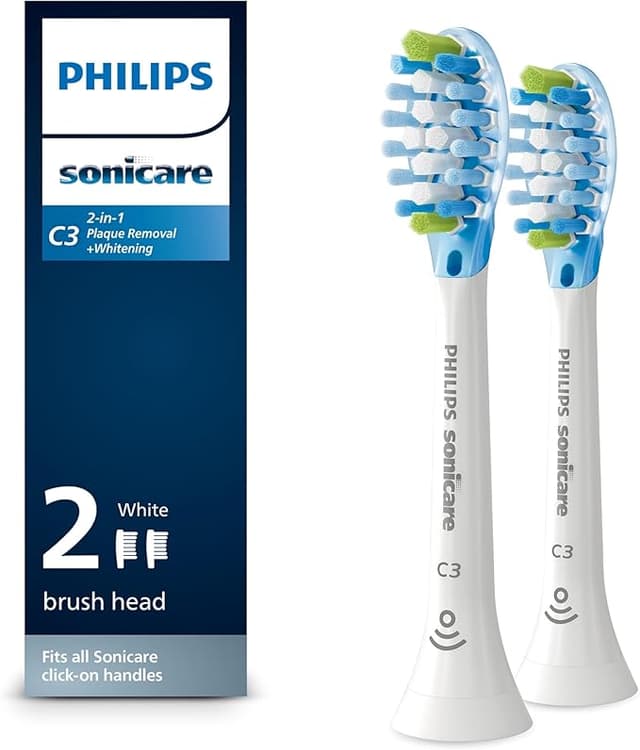
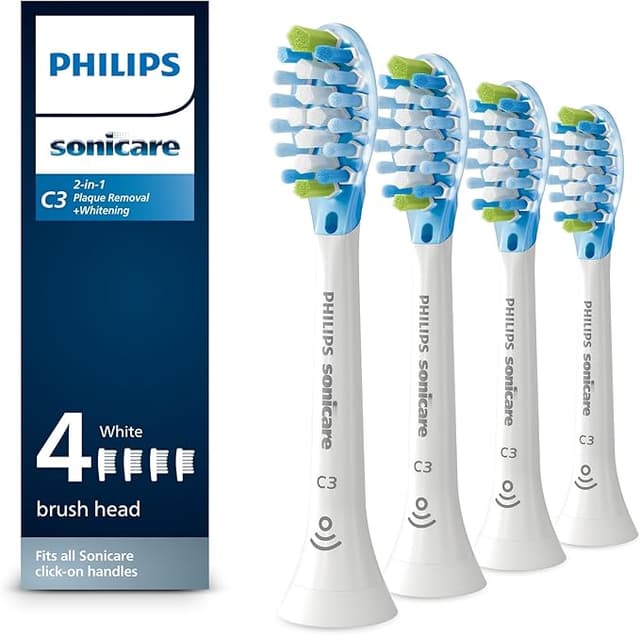
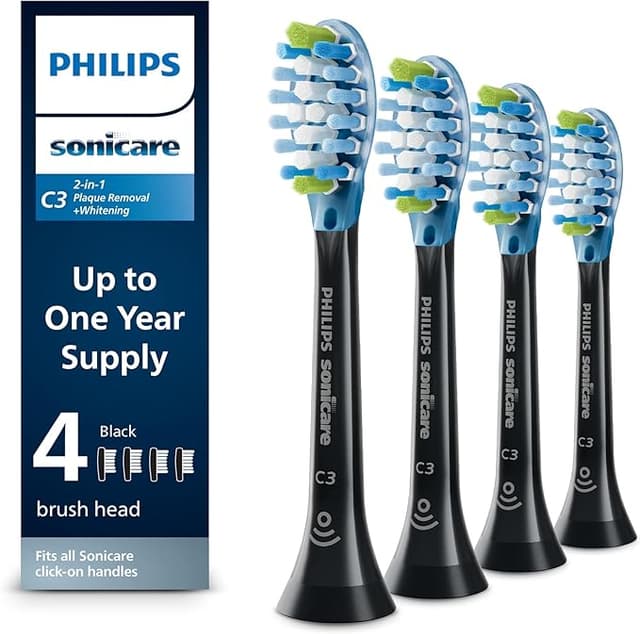
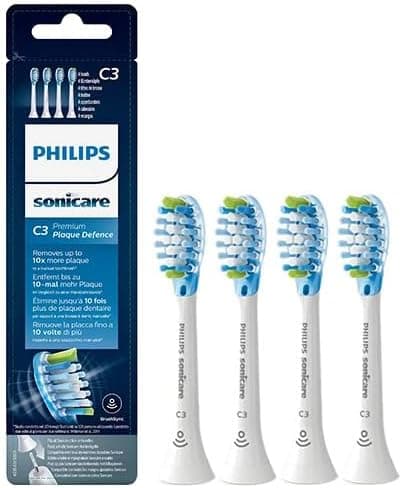
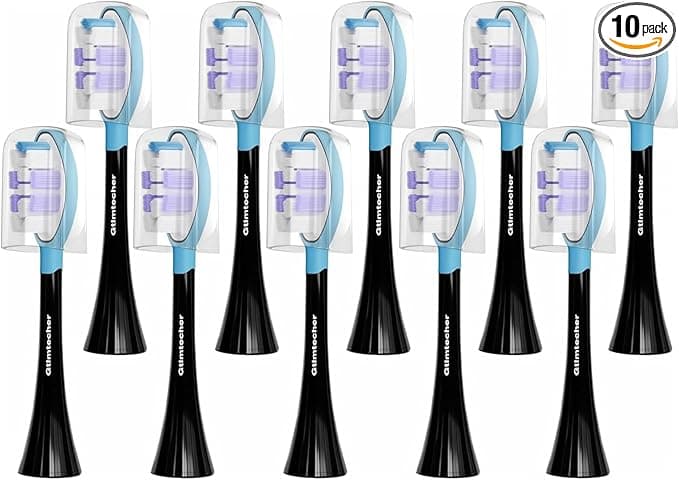
I was standing at the pharmacy aisle with my old DiamondClean handle in my coat pocket — yes, I bring the handle, because I've grabbed the wrong head before — and there were the two options. The genuine Philips replacement heads, three to a pack, ringing up around $33. That's roughly $11 a head. Right next to them, a no-name compatible 8-pack for about $22. Do the math on that and you're paying close to $2.75 a head instead of eleven. Same shape. Same little plastic ring that's supposed to click onto the DIAMONDCLEAN shaft. And I stood there genuinely unsure, because my mouth is not the place I want to cheap out and regret it.
I bought the compatible pack. I've now run them on my DiamondClean handle for the better part of a year. Here's the honest version of how that went — the good, and the stuff nobody selling these will tell you.
The price gap is almost stupid once you see it annually
Philips says replace every three months. I actually do, more or less, because a flattened brush head is just expensive plaque relocation at that point. Four heads a year. With the genuine ones at about $11 each, that's roughly $44 a year just to keep my teeth clean. With the 8-pack I bought for around $22, that same year of brushing cost me maybe $11 — and I had four heads left over for the following year. So in two years I spent $22 on heads instead of close to $88. That's a $66 difference, on a thing I was going to throw in the trash every twelve weeks anyway.
I'll be honest, that number is exactly why I hesitated. When something is one-quarter the price, your gut says there's a catch. So I went looking for the catch.
Fit and install: it seats, but the first one made me nervous
Installing these is the same three-second move as the genuine heads. Pull the old head straight off the shaft — it comes off with a firm tug, no twisting. I rinse the metal shaft under warm water because over months a little gunk builds up at the base where you never look. Then push the new head down until it clicks. That click matters. On the genuine Philips heads the click is crisp and you feel it lock.
On these compatible ones? The very first head I installed seated a hair looser than I wanted. It clicked, but the collar had a tiny bit of wiggle — maybe a millimeter of play if I rocked it side to side. I genuinely thought "here's the catch." But here's the thing: once the handle is running, that play vanishes. The vibration coupling is on the shaft, not the collar, so the brush oscillates exactly like the real one. And the next seven heads in the pack seated tighter than the first, so I think I just got one slightly loose molding at the top of the box. None of them ever popped off mid-brush, not once, not even when I got lazy and pressed too hard.
How they actually clean — and where they fall a step behind
The selling point is the DuPont bristles, and as far as my mouth can tell, that part's real. The bristle feel against my teeth is the same medium-soft I'm used to. After two minutes my teeth have that just-left-the-dentist slick feeling, the back molars included. My hygienist didn't flag anything at my last cleaning, and she is not a gentle grader.
Where they're a touch behind the genuine heads: the bristle stiffness fades a little faster. By about week ten, the compatible head feels softer than a genuine Philips head does at the same age — the bristles start to splay a few weeks earlier. With the genuine heads I could honestly stretch to four months if I was being cheap. With these, three months is the real limit; push past it and you can feel them go floppy. Which is fine, because Philips says three months anyway, but if you're someone who runs a brush head into the ground, the genuine one tolerates that abuse better.
The real downsides — and there are a couple
First: the plastic smell out of the box. The first two or three days, there's a faint new-plastic odor when the head is wet. It's mild, it's gone by day four, but it's there and I noticed it on every head in the pack. Run it under hot water a few times before first use and it fades faster.
Second, and this is the one that actually bugged me: no color rings. The genuine multipacks come with little colored bands so each person in the house knows which head is theirs. These came bare. In a one-person bathroom, who cares. But my partner and I share a handle, and for the first week we kept squinting at two identical white heads trying to remember whose was whose. I ended up dabbing a tiny spot of nail polish on mine. Small thing. Annoying thing.
Third: the packaging is cheap. Thin plastic clamshell, no individual wrapping on each head, so they're all just rattling around loose in one tray. They were clean, but if you're the type who wants each one sealed, that's not what you're getting for $2.75 a head.
Why a worn head is worth caring about at all
This isn't fear-mongering, it's just true: a brush head with splayed, flattened bristles stops doing its one job. It skates over the gumline instead of working into it, plaque builds where the bristles can't reach, and frayed bristles can actually be rough on receding gums. A tired head is also a damp little hotel for bacteria. So the case for replacing on schedule is real — and the cheaper the heads, the easier it is to actually do it on time instead of guilt-stretching an old one another month to save money. That's the quiet win here. I replace more reliably because it barely costs anything.
Who should buy genuine instead — and who should grab these
If you have sensitive, recently-treated gums, or you tend to run a head four months instead of three, spend the extra and buy the genuine Philips heads — that extra few weeks of bristle stiffness is worth it for you. And if a loose first head out of the box would genuinely stress you out, the genuine ones seat a touch more confidently.
For everybody else? Look — I went in skeptical, brought my own handle to the store to avoid getting burned, and went hunting for the catch. The catch turned out to be a faint smell, no color rings, and one slightly loose head out of eight. Against saving roughly $66 over two years on something that cleans my teeth just as well day to day, I'd buy the 8-pack again. I already have.