Troubleshooting & Analysis
Standing in the toothbrush aisle, doing the math
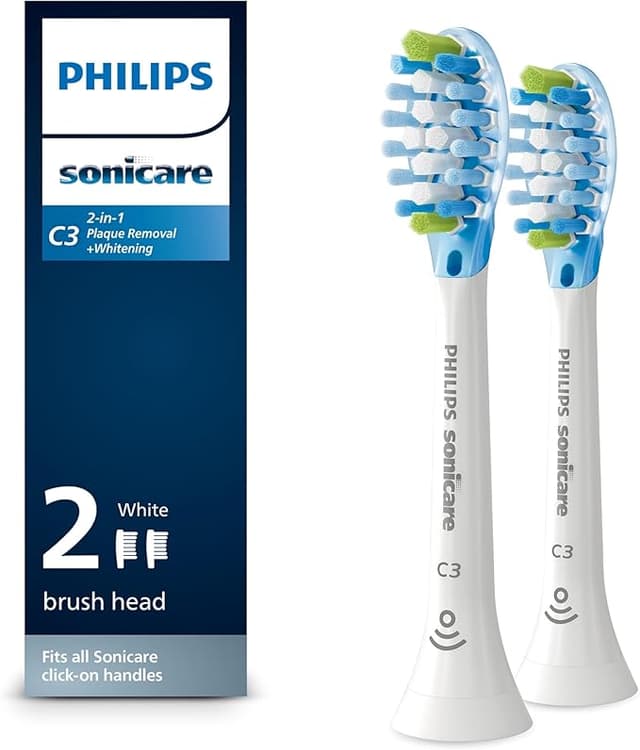
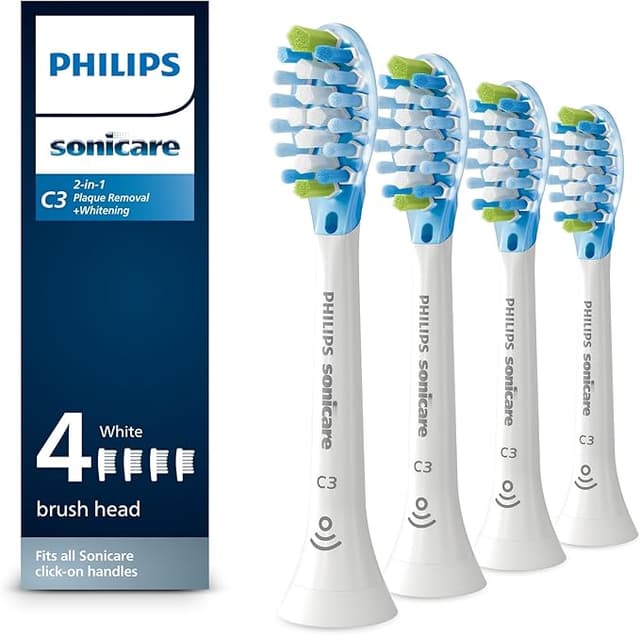
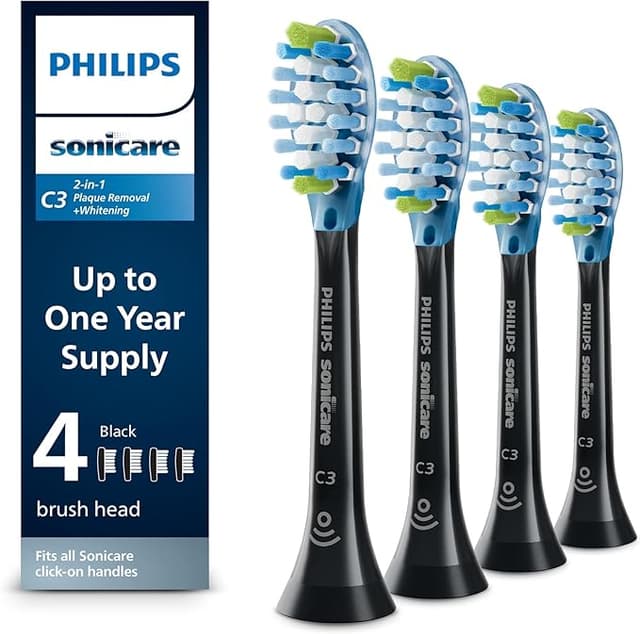
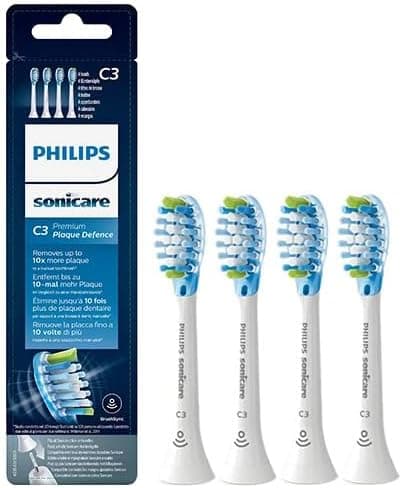
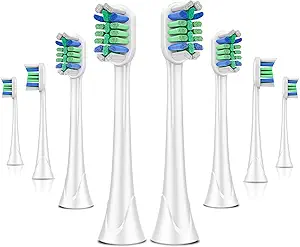
There I was, holding a four-pack of genuine Philips DiamondClean brush heads in one hand — the little blue-and-white box with the hologram sticker — and my phone in the other, looking at an eight-pack of compatible heads that cost less than the two-pack of originals. Same shape. Same click-on shaft. And I just stood there for a second feeling like an idiot, because the genuine ones run me about $40 for four, which is ten bucks a head every three months, and the math on that over a couple years is genuinely annoying.
I'd put off switching for a long time. A toothbrush head feels like the wrong place to cheap out — it's in your mouth, twice a day, scrubbing right up against your gumline. The Philips warnings aren't wrong, either: worn bristles stop clearing plaque and start being rough on your gums, and a brush head you've kept past its date is basically a little bacteria hotel. So no, I wasn't going to run some mystery brush. But eight heads for roughly the price of two originals? I finally caved and tried a pack. Here's what actually happened.
The price gap is the whole reason you're here
Let me put it plainly. Genuine DiamondClean heads land around $10 each when you buy them four at a time. The compatible eight-pack I bought worked out to a little over $2 a head. If you swap every three months like you're supposed to — four heads a year — that's the difference between spending about $40 a year on genuine and around $10 a year on compatible. Over the life of one handle, that's real money. Not life-changing money. But it's the kind of small, recurring bleed that makes you keep stretching a worn head an extra month, which is exactly the thing you shouldn't do.
And that's the quiet argument for the cheap ones that nobody makes out loud: when replacements barely cost anything, you actually replace on schedule. I used to baby a genuine head for five months because tossing a $10 brush felt wasteful. Now I swap right at the three-month mark without thinking about it. My hygienist actually noticed less buildup at my last cleaning, and I'm fairly sure it's because I stopped rationing.
Fit and install — does it seat right?
This is where I was most nervous, because a head that wobbles on the shaft is a dealbreaker. Install is nothing: you pull the old head straight off, rinse the metal shaft under warm water, and push the new one on until it clicks. With these, the click is there. It's a slightly different sound than the genuine — a touch shallower, less of a deep snap — but it seats fully and it does not spin, rattle, or work loose during a two-minute cycle.
Honest caveat: the tolerance on the collar is a hair looser than Philips. On one head out of the eight, I could feel a tiny bit of side play if I deliberately wiggled it with my fingers. Not while brushing — only when I was poking at it being paranoid. The other seven were snug. So it's not flawless quality control, but in actual use I've never had one come off or feel sloppy against my teeth.
How it cleans, and where it's a step behind
The bristles are DuPont, same as a lot of the genuine stock, and you can tell. That clean, slightly-polished feel you get after a good brush? It's there. The bristle field is dense, the rounded tips don't feel scratchy, and the oscillation from the handle drives them just fine — the head doesn't deaden the motion the way some no-name heads do.
Where it's a touch behind: the bristles soften a little faster. On a genuine head, the blue indicator bristles fade to signal replacement right around the three-month line, and the bristle stiffness holds pretty consistently until then. On these compatibles, I felt the bristles go from firm to merely-okay closer to the ten-week mark. Still totally usable to twelve weeks, but if you're someone who brushes hard, you might feel them lay down a bit sooner. The fade-indicator dye on mine was also less obvious — paler blue to start, so it's a weaker visual cue. I just set a phone reminder instead of trusting the bristle color, and that solved it.
The real downsides — let's not pretend
First: the packaging is cheap. The genuine heads come individually capped in those rigid travel covers; these came loose in a thin plastic tray with no individual hygiene caps. If you travel and like a cover over your brush head, you don't get one, and you'll want to buy a couple of generic caps separately. Minor, but it's the kind of corner-cutting you notice.
Second — and this is the one that'll bug you for a few days — there's a faint plastic smell on a brand-new head out of the pack. Not chemical-harsh, more like new-toothbrush-plastic, but it's there. I rinsed the first one under hot water for thirty seconds and ran a dry cycle before using it, and by day two or three it was completely gone. By the end of the first week I'd forgotten about it. But the first morning, yeah, you'll notice it.
Third, the consistency thing I mentioned — eight heads, seven excellent, one slightly loose collar. With genuine I've never had a dud. So you're trading a small amount of unit-to-unit perfection for a big price drop. For me that trade is obvious. For someone who'd lose sleep over the one loose one, maybe not.
So who should skip these?
If you've got sensitive gums, a history of recession, or your dentist has you on a specific soft-bristle protocol, buy the genuine Philips heads and don't think twice — the consistency is worth it when your gums are already fragile. Same if you simply won't tolerate a couple days of faint plastic smell or you need a travel cap on every head.
But for a normal mouth, with a normal brushing habit, on a DiamondClean handle? These do the job. DuPont bristles, a solid click, plaque coming off the same as before — and at roughly $2 a head against $10, I replace on time instead of stretching a tired brush. The frame's a hair looser, the smell needs a day to air out, and one in eight wasn't perfect. I bought them anyway, I'm on my third one now, and when this pack runs out I'll reorder the compatibles. That's the most honest endorsement I can give: I voted with my own money, twice.