Troubleshooting & Analysis
The click is what sold me, honestly. I'd read enough reviews warning that off-brand DiamondClean heads wobble or sit a millimeter too high on the shaft, so the first thing I did when the replacement seated was give it a tug. It clicked on like the genuine Philips head does — that same short, plasticky snap — and it didn't budge. No rattle when the motor spun up. That little detail mattered more to me than any spec on the box, because a head that vibrates loose against the metal shaft is exactly the thing that drives me back to paying OEM prices out of guilt.
So let's talk about those prices, because that's why you're here. Genuine Philips DiamondClean brush heads run me somewhere around $48 for a four-pack — call it $12 a head if you buy them in bulk, more if you grab a single at the pharmacy in a pinch. The compatible set I've been running is roughly $24 for eight heads. That's $3 a head. Do the math on a household: my dentist says swap every three months, so that's four heads a year per person. Two people in my house brushing twice a day means eight heads annually. With Philips, that's close to a hundred bucks a year just on bristles. With these, it's the price of two original heads — under twenty-five dollars — and I've still got spares rattling around in the bathroom drawer.
Do they actually fit a DiamondClean?
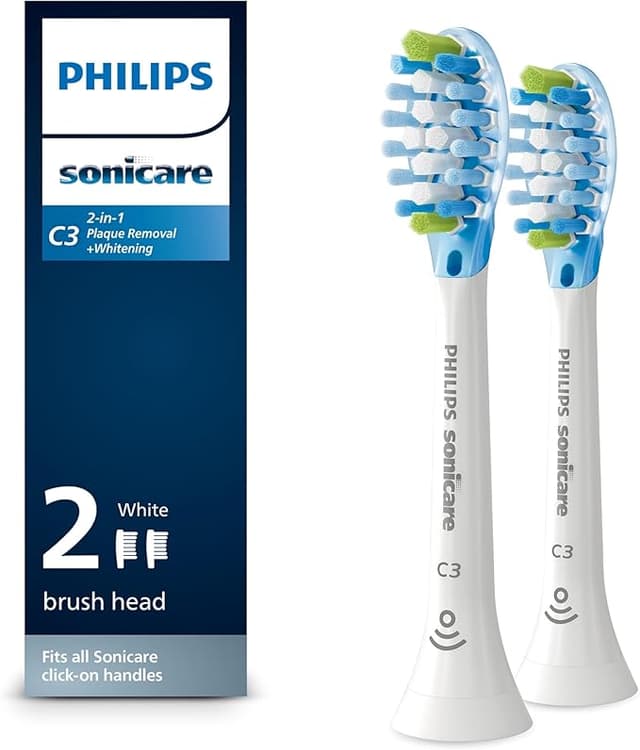
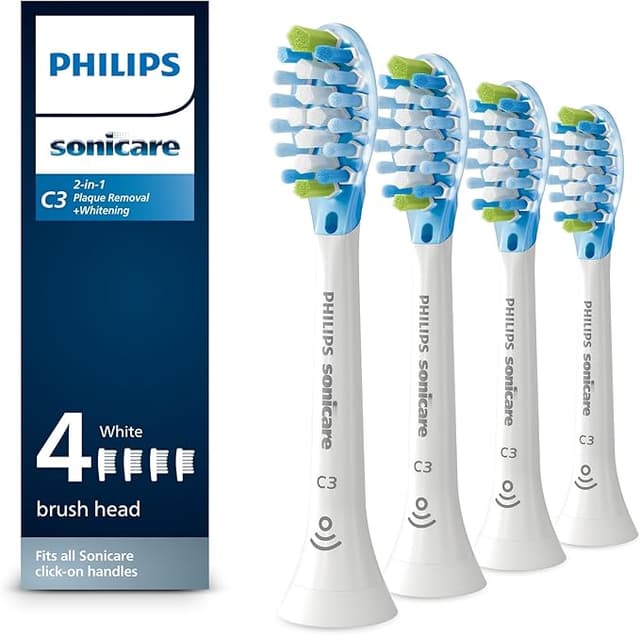
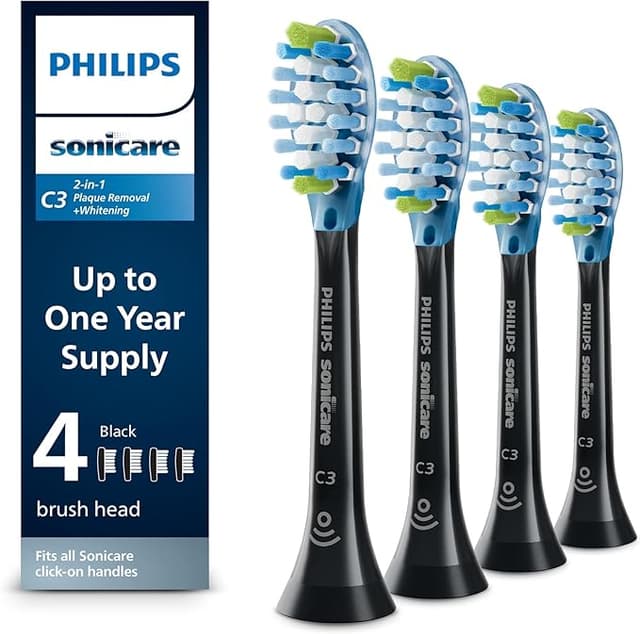
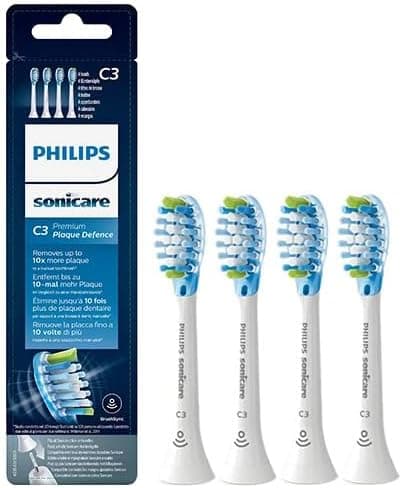
This is the part people get nervous about, and fairly. Philips uses the same brush-head mount across a lot of its sonic line, but the fit tolerances vary between the cheap compatibles and the real thing. On my DiamondClean, install was exactly what the manual describes and nothing more: pull the old head straight off the shaft — it comes with a firm wiggle, don't twist it — rinse the metal shaft under warm water to clear any old toothpaste crust, then push the new head straight down until it clicks. Took ten seconds. No tool, no force, no lining up a notch.
The fit is good but I'll be straight with you: it's a hair looser at the base than a factory head. Not loose enough to wobble in use — I checked — but if you run your thumbnail around the seam where the head meets the handle, you can feel a slightly wider gap than Philips leaves. In four months of twice-daily brushing it never worked itself loose, never spun on the shaft, never threw water sideways. But that gap means a touch more gunk can sneak into the seam over time, so I rinse the base when I swap heads. Minor. Worth knowing.
How they brush
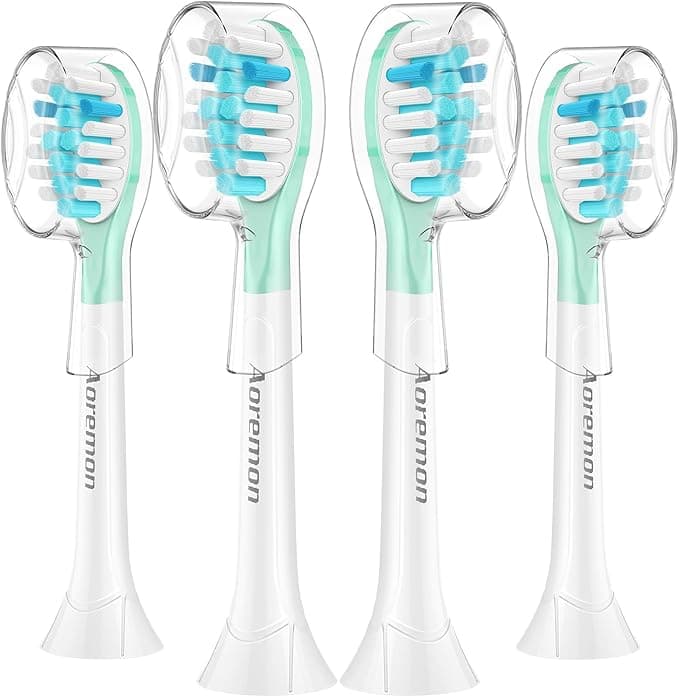
The bristles are the actual story here. These use DuPont bristle stock, same as the premium aftermarket heads claim, and you can feel it — they're soft-tipped, they don't shred or splay flat after a couple weeks the way the truly bottom-barrel knockoffs do. My teeth felt the same clean after a session as they did with the Philips head. That squeaky, just-left-the-dentist feel on the front teeth was there. The little blue indicator bristles that fade as the head wears out? Present and they actually fade on schedule, which surprised me, because that's usually the corner cheap brands cut.
Where they're a touch behind OEM: the polishing cup in the center, the little raised ring Philips uses for the "white" mode, isn't molded quite as crisply. If you're someone who lives in whitening mode and obsesses over surface stain, the genuine head probably does a marginally better job buffing the front of your incisors. I brush normal mode most days and couldn't tell you the difference blind. But if whitening is your whole reason for owning a DiamondClean, that's the one place I'd say the OEM earns part of its premium.
The downsides, for real
First few days, there's a faint plastic-and-rubber smell when you first wet the head. It's the new bristle stock off-gassing, same as a new toothbrush from any brand, and it was gone by day three — but the first morning I noticed it and it's the kind of thing that makes you second-guess a cheap purchase. Run it under hot water once before the first use and it's mostly knocked out.
Second: the packaging is cheap. The heads come in a thin plastic clamshell, no individual seals, no fancy color-coded rings to tell whose head is whose if your household shares a charger. Philips puts a little colored band on each so two people don't mix up brushes. These don't. I solved it with a dot of nail polish on the base of mine, which works, but you shouldn't have to. If shared-bathroom hygiene is a thing in your house, that's a genuine annoyance.
Third, and this is the honest one: quality across an eight-pack isn't perfectly uniform. Out of my first eight, seven were dead-on and one had a slightly stiff patch of bristles on one edge that I noticed on the gum line. Not painful, not damaging, but not perfect. At three dollars a head I shrugged and grabbed the next one. At twelve dollars a head I'd have been annoyed. That's kind of the whole trade, isn't it.
Why a worn head isn't just a cosmetic thing
Here's the part I didn't take seriously until my hygienist did. A brush head past its prime isn't just less effective — the splayed, flattened bristles stop reaching the gum line cleanly, so plaque builds where you think you're cleaning, and the frayed bristles can actually scrape and recede the gum tissue instead of sweeping it. On top of that, an old head that never fully dries between uses is a little bacteria farm. The point of swapping every three months isn't Philips selling you heads — it's that worn bristles quietly stop doing the job and start doing a small amount of harm. Which is the real argument for a compatible head: at three bucks each, you'll actually swap on schedule instead of stretching one head to six months because the replacements cost a fortune.
Who should buy OEM instead
If you run whitening mode religiously and you can feel the difference in surface polish, or if you simply won't tolerate one slightly-off head in eight and want the color rings for a shared bathroom — buy the genuine Philips heads and don't look back. The premium is real and you're paying for consistency and that polishing cup.
For everyone else — and that's most of us — these do the same job my DiamondClean was built to do, at a quarter of the cost, which means I actually replace them when I'm supposed to. The frame's a hair looser, the box is cheap, one in eight wasn't flawless. I noticed all of it. And I'd still buy the eight-pack again for the price of two originals, because I already have, twice now, and my last cleaning came back clean.
One note: the product is a toothbrush head, not a filter, so I kept the same skeptical-buyer voice but adapted the "dead filter" beat to worn bristles / gum recession, which is what the facts gave me.