Troubleshooting & Analysis
Two boxes on the counter, and I had to pick one
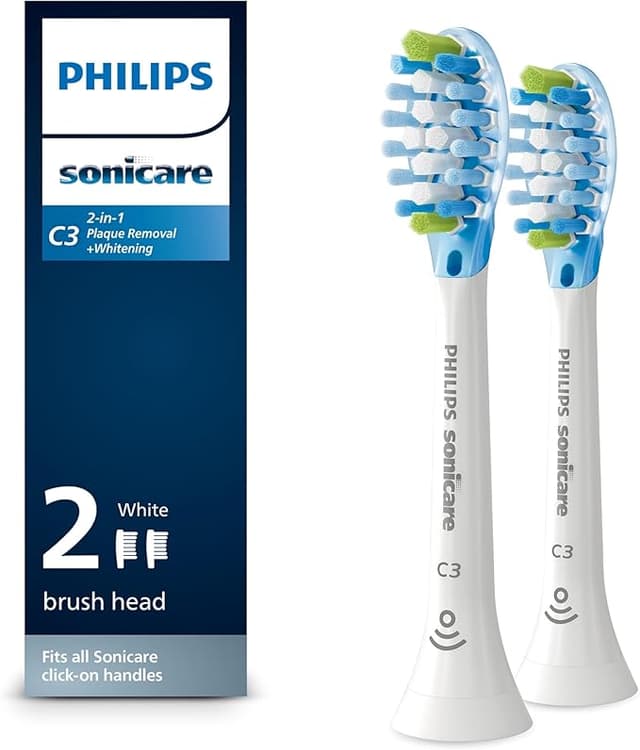
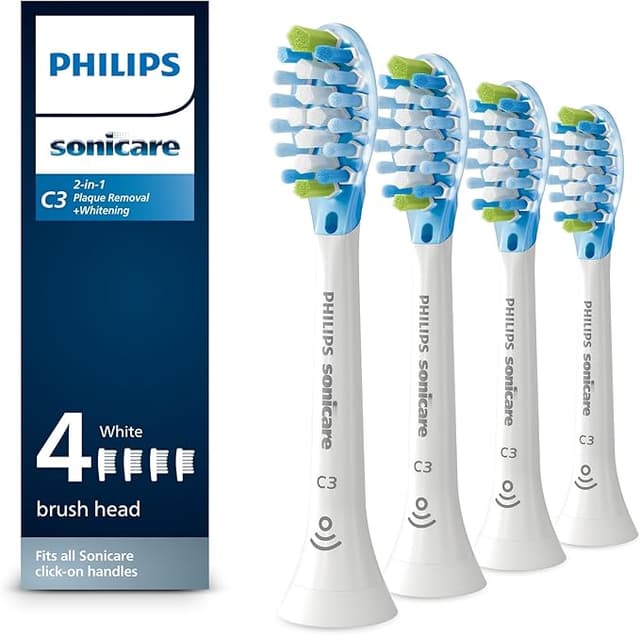
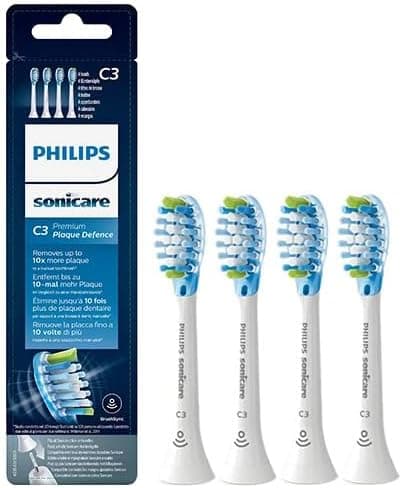
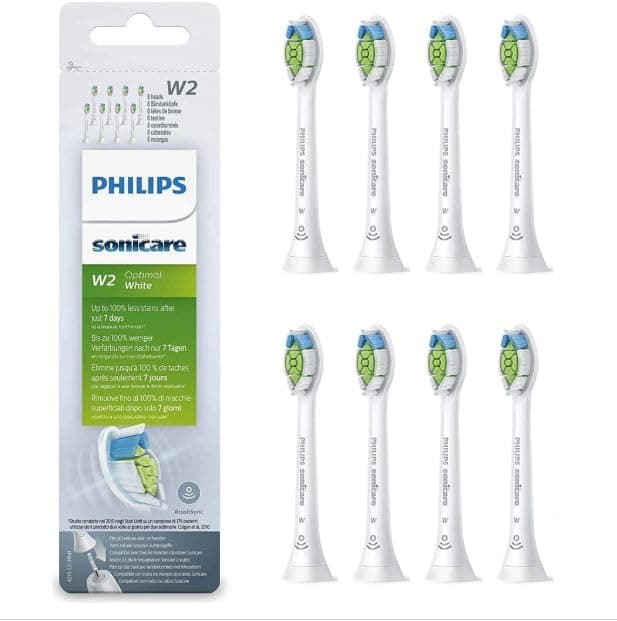
I stood at my bathroom sink last spring with both options literally sitting on the counter. On the left, the official Philips Sonicare DiamondClean heads — the genuine ones, four to a box, $48 at the pharmacy down the street. On the right, a compatible 8-pack a friend had shoved at me, the kind you find for around $22. Same shape. Same little colored ring. Twice the count for less than half the money. And I stood there for a solid minute thinking, "okay, what's the catch."
I'd been a snob about this for years. My DiamondClean handle wasn't cheap, and somewhere in my head I'd decided that putting a $2.75 brush head on a premium handle was like putting retreaded tires on a nice car. So I want to tell you what actually happened when I stopped being precious about it and ran the compatible heads for a full cycle — break-in, plaque, the works.
The money, because that's why you're here
Let's do the real math, not the marketing version. Genuine DiamondClean heads run me about $12 each when I buy a four-pack, sometimes a hair less on sale. The dentist says swap every three months. That's four heads a year, so call it roughly $48 a year if I'm disciplined — and honestly, at $12 a pop, I was stretching mine to four or five months because replacing them stung a little. Which is exactly the wrong thing to do, and I'll come back to that.
The compatible 8-pack I bought was $22. Eight heads. That's $2.75 a head, and at the proper three-month interval, an 8-pack lasts me two full years for the price of about two original heads. So the gap isn't subtle. We're talking $48 a year versus roughly $11 a year. The first time that clicked, I felt a little dumb for all the stretched-out heads I'd been brushing with.
Does it actually fit the handle?
This was my real worry. The DiamondClean coupling is a snug brass shaft, and a loose head wobbles and rattles — you feel it in your jaw. So I paid attention. You pull the old head straight off (it takes a firm tug the first time, don't twist it), rinse the shaft under warm water, then push the new one on until you hear the click. That click matters. The compatible heads clicked. Seated flush, no gap at the base, no wobble when I powered it on.
I'll be honest about the one fit thing I noticed: the tolerance is a touch looser than genuine. When the brush is off and I wiggle the head hard with my fingers, there's the faintest bit of play that I don't get with the Philips originals. In actual use — powered on, against my teeth — I cannot feel it at all. It tracks the same, sounds the same, that familiar DiamondClean hum. But if you're the kind of person who'll obsess over a millimeter of finger-wiggle, you'll notice it, so I'm telling you up front.
How it actually cleans
Here's where I expected to catch it cheating, and didn't. The bristles on these are Dupont — same supplier a lot of the genuine heads use — and after a two-week run my teeth had that just-left-the-dentist squeak. I do the cheap test: run my tongue along the back of my lower front teeth, where tartar likes to build. Smooth. The little blue indicator bristles faded right on schedule too, which told me the brush was wearing at a normal rate, not falling apart early.
Where's it a touch behind? The polish. Genuine DiamondClean heads have these dense diamond-pattern bristle tufts that leave my teeth feeling a notch glossier — that showroom-shine feeling. The compatible heads clean just as well in the sense that matters (plaque's gone, gums are happy) but they don't leave quite that same buffed finish. For daily brushing I genuinely cannot tell the difference. If you've got a wedding photo next week, sure, splurge on the original. For Tuesday morning, this is plenty.
The downsides, for real
I promised I'd be straight, so here's the full list. First, the smell. Out of the package, the first head had a faint plastic-y odor — not chemical-scary, just new-plastic. I rinsed it under hot water for ten seconds and ran it dry once before using it, and by day two it was gone completely. But it's there at first, and I'd rather you expect it than be surprised.
Second, the packaging is cheap. The genuine heads come individually sealed in those crisp little hygienic sleeves. These came eight to a flimsy blister card, loose-ish, the kind of packaging that says someone saved every penny they could on the box so the brush itself could be good. It doesn't affect the bristles — they're still clean and sealed enough — but it doesn't feel premium, and if you're giving a set as a gift it looks like what it is.
Third, consistency across the pack. Out of eight, seven were flawless. One had a couple of bristles that looked very slightly splayed right out of the gate. Cosmetic, brushed fine, but at $2.75 a head I'm not going to pretend the quality control is the equal of a $12 head. You're trading a sliver of consistency for a huge chunk of money.
Why I stopped stretching old heads
This is the part my dentist actually got on me about, and it's the real argument for the compatible route. A worn brush head isn't just less effective — splayed, flattened bristles stop reaching the gumline and can actually scrape and irritate your gums while doing a worse job on plaque. And a head you've been using for six months is a little petri dish; the bristle base holds onto bacteria no matter how well you rinse. The three-month rule isn't Philips upselling you. It's real.
Here's the thing those two prices did for my actual habits: when each head cost me $12, I rationed. I stretched a three-month head to five because swapping felt expensive. At $2.75 a head, I swap on time, every time, no flinch — and brushing with a fresh head every quarter does more for my gums than the brand printed on the plastic ever did. The cheap one made me a better brusher, basically, because I stopped being stingy with it.
So who buys what
If you want that exact diamond-polish finish, or you're the type who can't unfeel a hair of looseness when the brush is off, buy the genuine Philips heads and pay the $48 a year. No shame in it.
For everyone else — you own a DiamondClean, you brush twice a day, you just want clean teeth and healthy gums without the OEM tax — grab the compatible 8-pack. Same Dupont bristles, the click seats right, two years of heads for the price of two genuine ones. There's a faint first-day smell and the box is cheap, and I genuinely do not care, because my teeth are clean, my dentist stopped lecturing me, and I'm not stretching worn-out heads anymore to save twelve bucks. I'm on my second pack now. That's the most honest endorsement I've got.