Troubleshooting & Analysis
I didn't believe a $20 brush head pack could be fine either
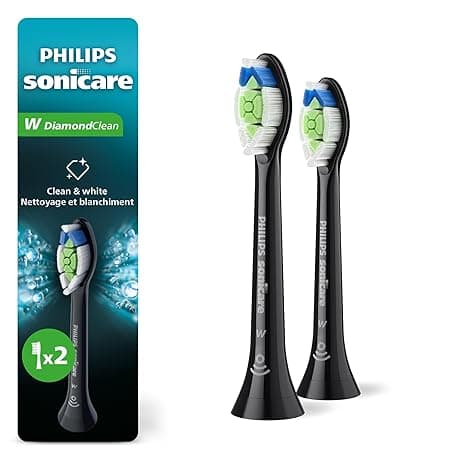
Here's the honest starting point: I assumed the cheap ones were junk. You know the type — the third-party brush heads that show up when you search for a DiamondClean replacement, eight in a box for the price of two genuine Philips heads. My brain did the math and went straight to "there has to be a catch." Thin bristles. Won't seat right. Falls off mid-brush and you're spitting plastic into the sink. I'd paid Philips prices for years specifically because I didn't want to find out the hard way.
So I did the dumb thing on purpose. I bought a compatible 8-pack to run head-to-head against the real ones on my own DiamondClean (the B0795XF6MS handle, the one most people land on). Four months in, I've got opinions, and most of them surprised me.
The price gap is the whole reason you're here
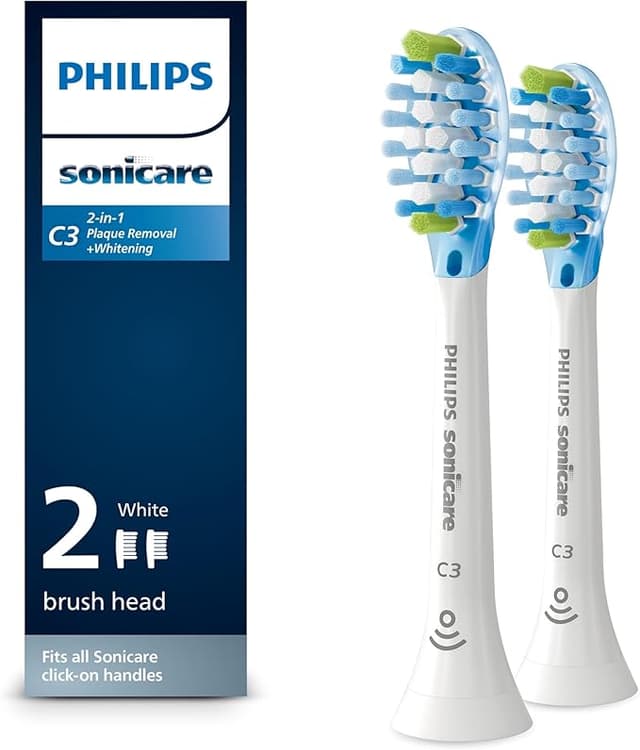
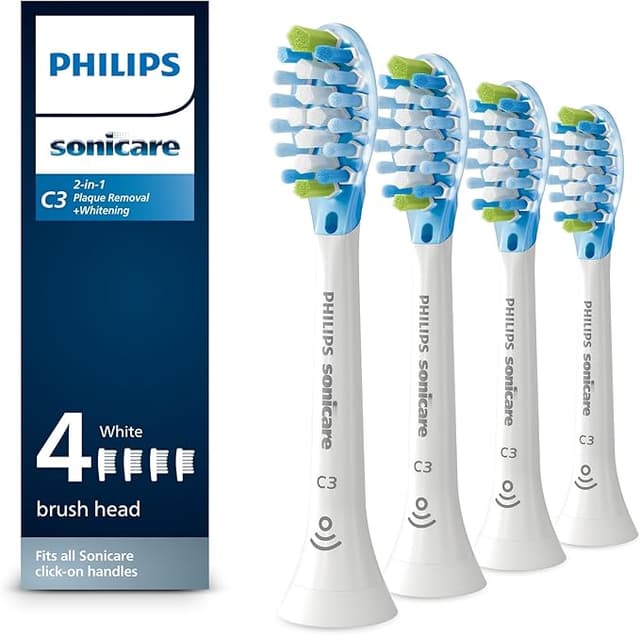
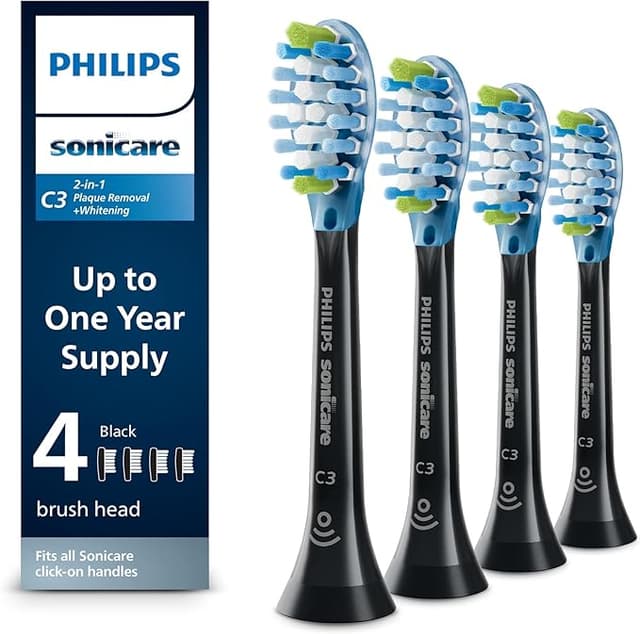
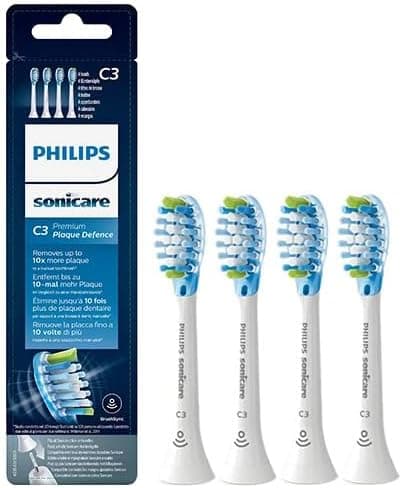
Let's not pretend otherwise. A genuine Philips DiamondClean head runs me about $11 a piece when I buy the standard two-pack — call it roughly $22 for two. The compatible set I bought was that same $22-ish, but for eight heads. So we're talking somewhere around $2.75 a head instead of $11. Same replace-every-three-months schedule the dentist nags me about.
Do the year on that. Four heads a year on the genuine route is something like $44. Four heads off the eight-pack is closer to $11 for the year, and you've still got half the box left for next year. I'm not chasing pennies — but that's a $30-plus annual gap on a thing I throw in the trash every quarter. That number is what made me willing to risk it.
Does it actually click on?
This was my real fear, because a brush head that doesn't seat is worse than useless — it rattles, it leaks vibration, and it feels like it'll fly off. The install is the same three seconds as OEM: pull the old head straight off the metal shaft, rinse the shaft under warm water (do this, gunk builds up under there and it's gross), push the new one on until you feel the click. With the genuine head that click is crisp and confident. With the compatible, it's there — but softer. A little less of a definitive snap.
In practice it has never once come loose on me in four months of twice-a-day use. Not once. The fit on the shaft is a hair looser than Philips, you can feel a faint bit of play if you wiggle it dry, but the moment it's running you'd never know. So the fear was mostly in my head. The click is just quieter.
How it actually cleans
The seller leans on the DuPont bristle thing, and I rolled my eyes at that too. But I'll give them this much — my teeth feel the same coming off these as they do off the genuine heads. That squeaky, just-left-the-dentist feel is there. The bristles are soft, rounded at the tip, and they fan out the same way. My hygienist didn't flag anything at my last cleaning, and she's the type who would.
Where it's a touch behind: bristle longevity. The genuine Philips heads hold their shape for a solid three months before the indicator bristles fade. On the compatibles, I'd say the bristles start splaying a little earlier — call it week ten instead of week twelve. They're not falling apart, but they soften and lose that crisp edge a bit sooner. Which honestly just means you swap on schedule like you're supposed to anyway, and at this price, who cares.
The downsides — the real ones
I'm not going to hand you a flawless review, because flawless is a lie. Here's what's genuinely worse.
First, the smell. Brand new out of the wrapper, the first head had a faint plastic-y, slightly chemical odor for the first two or three days of use. Not strong, not in your mouth exactly, but if you put your nose to it dry, it's there. It aired out by day three and I haven't noticed it since on any of them. Still — the genuine heads have never done that.
Second, the packaging and consistency. The genuine heads come individually sealed, each one identical. The eight-pack came loose in two molded trays, and if I'm being picky, one head out of the eight had bristles that looked very slightly uneven compared to its siblings. It brushed fine. But there's a quality-control looseness here that you don't get from Philips, and across eight heads you might draw one slightly-off unit. The packaging itself is cheap cardboard — no big deal for something I'm going to soak in toothpaste, but it tells you where they spent the money and where they didn't.
Third, the color band. Philips color-codes the rings so each family member knows their head. The compatibles I got were all one color, so my wife and I had to scratch a mark on the base to tell ours apart. Minor. But a real difference in daily living with them.
Why I don't just let an old head ride
Quick reality check, because this is the part people skip. A worn-out brush head isn't just less pleasant — splayed, flattened bristles stop reaching the gumline properly and start dragging instead of cleaning, which is how you end up irritating your gums and leaving plaque behind exactly where you don't want it. And a head you've been running for six months is carrying a frankly disgusting amount of bacteria in those packed bristles. The three-month swap isn't marketing. It's the actual reason to replace, and it's the reason the price-per-head matters so much — cheap heads mean you'll actually swap on time instead of stretching a tired one to save eleven bucks.
Who should skip these
If you've got sensitive gums, a specific dentist-recommended head type, or you just want zero variables in your mouth and the extra $30 a year doesn't register — buy genuine Philips. No argument from me. Same if that first-few-days plastic smell would bother you enough to ruin the experience; some people are more sensitive to it than I am.
The verdict
I went in expecting to write a "don't bother, buy real ones" review. I can't, honestly. Four months, twice a day, on my own DiamondClean: it seats securely, it cleans like the genuine head, my hygienist had no notes, and it costs me roughly a quarter of what Philips charges. The trade-offs are real — a softer click, a three-day break-in smell, looser quality control, no color bands — and none of them touched the actual job of cleaning my teeth.
For something I throw away every three months, paying $11 a head when $2.75 does the same work stopped making sense to me. I bought the compatible pack expecting to regret it. I'm on my fourth head now, and I've already reordered. That's the most honest thing I can tell you.