Troubleshooting & Analysis
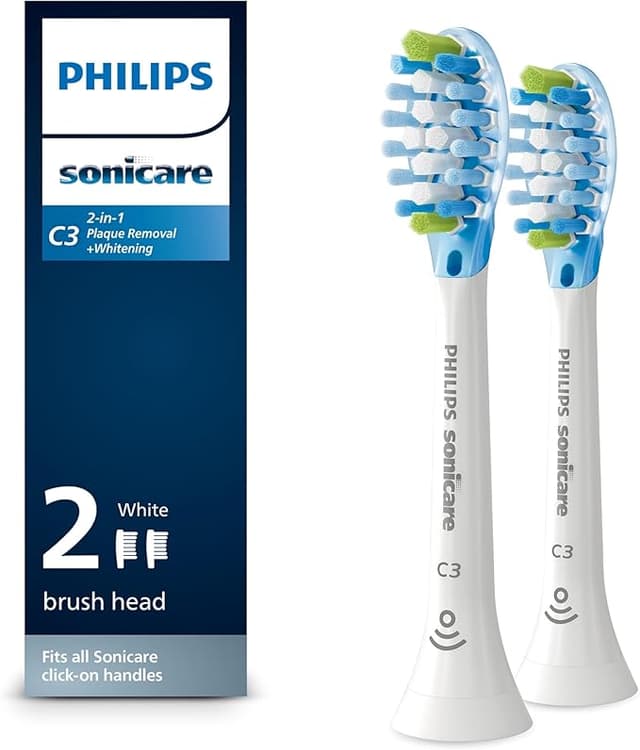
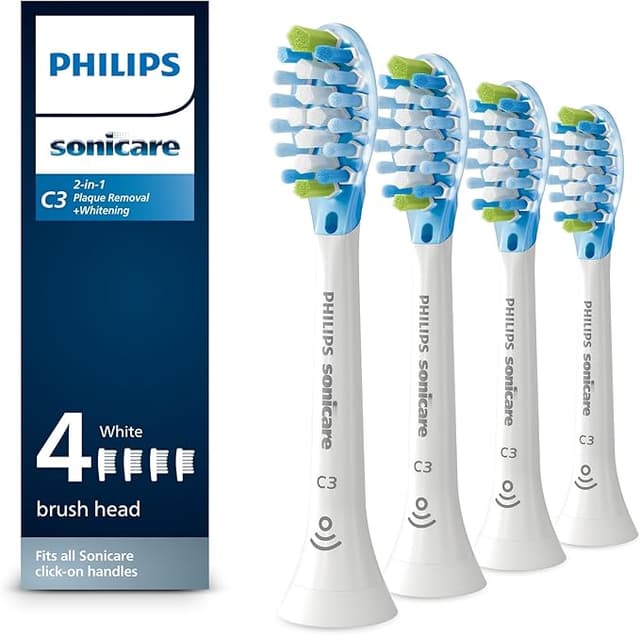
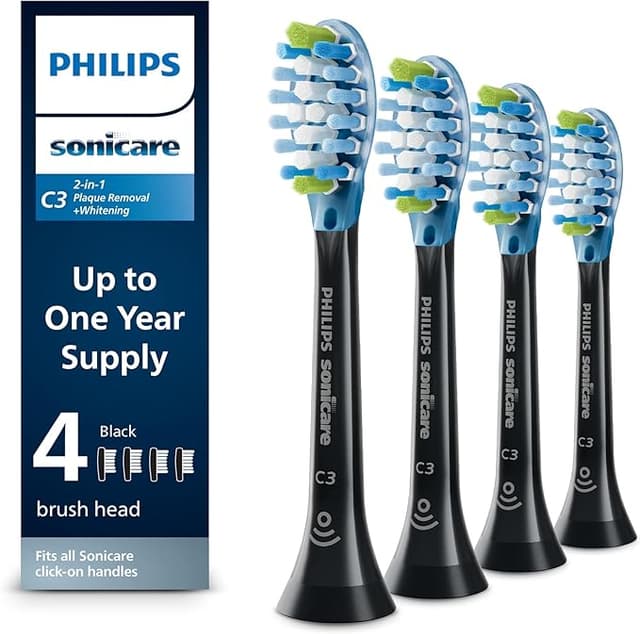
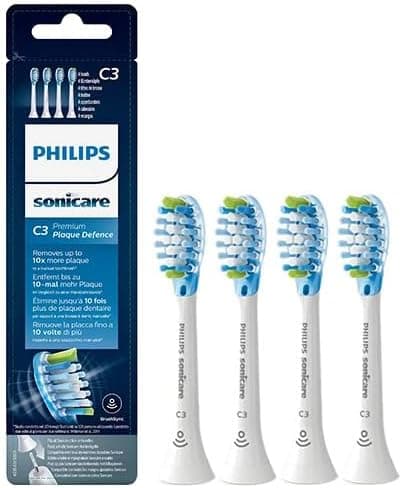
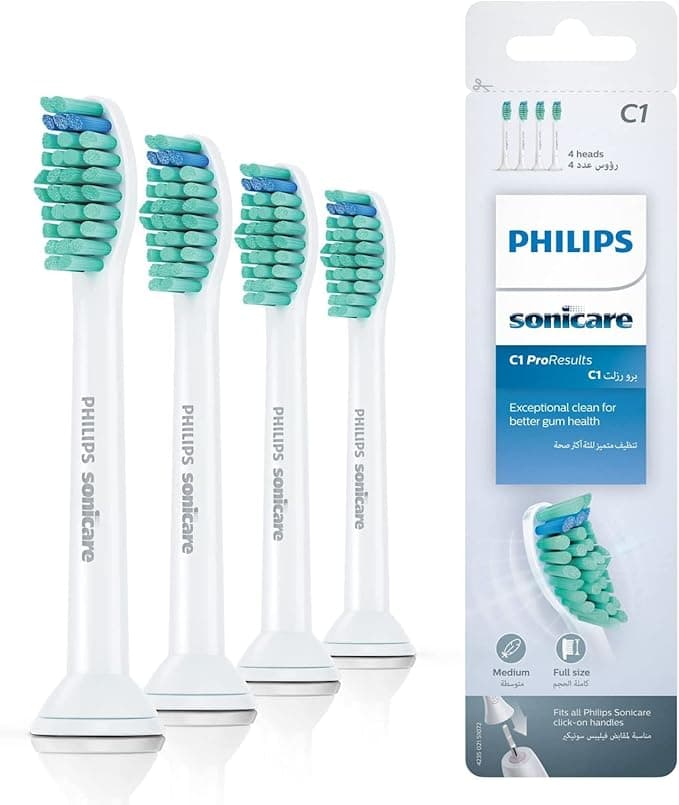
Do the math before you do anything else. A genuine Philips DiamondClean replacement head runs about $11 each when you buy the four-pack — call it $44 for a year if you're swapping every three months like you're supposed to. I just paid $24 for eight compatible heads. That's two years of brushing for a hair more than what Philips wants for a single four-pack. The first time that number landed, I actually said it out loud to my wife in the bathroom. Same bristle count, same snap-on shaft, half the price doubled. I had to know if there was a catch.
So I bought a pack and ran them through my own mouth for the better part of a year. Here's what I found.
The price gap is real, and it's almost insulting
Let me lay it out plain. OEM DiamondClean heads: roughly $11 apiece, and the official line is replace every three months. Four a year. That's $44 annually, every year, forever, for as long as you own the handle. The compatible eight-pack I grabbed was $24. Eight heads. At the three-month interval that's two full years of coverage. So you're looking at something like $12 a year versus $44 — and honestly the only reason the OEM math looks even that kind is because I'm being generous about people actually swapping on schedule. Most folks stretch a head to five or six months because they don't want to keep paying. With a stack of eight sitting in the drawer, I stopped doing that. Cheaper heads meant I actually changed them on time, which is the part that matters for your gums.
Does it fit the handle? Yes — straight off, straight on
This was my real worry. A toothbrush head that wobbles is worse than useless; it rattles, it loses contact, and you end up scrubbing your enamel sideways. The swap itself is nothing. Pull the old head straight off the metal shaft — it resists for a second then pops. Rinse the shaft under warm water, because there's always a little gunk down at the base nobody talks about. Then push the new head down until it clicks. You feel the click. It's a small positive seat, same as the original.
Now the honest part: the compatible head sits a touch looser than a brand-new Philips one. Not loose enough to spin or fall off — I've never had one come off mid-brush, not once — but if you wiggle it with your fingers there's a faint bit of play the OEM doesn't have. After the first day it bedded in and I stopped noticing. But I'm not going to pretend the tolerances are identical, because they're not. The OEM seats like it was machined for that exact shaft. This one seats like it was made to fit a family of shafts. Close, not perfect.
How it actually cleans
The bristles are the DuPont type, the same soft-but-firm stuff the originals use, and after the dentist hygienist did my six-month check she didn't flag a thing. My teeth felt the same slick-clean they always do with the Sonicare buzz. The sonic vibration does most of the work anyway — your job is mostly to hold it in roughly the right place and let it run. These heads transmit that vibration just fine. I genuinely could not tell you which head was in my mouth on a given morning if you blindfolded me.
Where it's a step behind: bristle longevity. The OEM heads hold their shape maybe a couple weeks longer before the tips start to splay. With the compatibles, by week ten or so I could see the bristles fanning out at the edges, which is the universal sign a head is done. But — and this is the whole point — I don't care, because I have eight of them. A frayed head on a $3 brush is a shrug. A frayed head on an $11 brush is a guilt trip. I'd rather swap a cheap one early than baby an expensive one too long.
The downsides, said plainly
First few days, there's a faint plastic-y taste. Not chemical, not alarming, just that new-molded-plastic thing. I ran each new head under hot water for thirty seconds and gave it one dry buzz before first use and that mostly killed it; by day three it's gone entirely. If you're sensitive to that, know it's coming.
The packaging is cheap. The eight heads come in a flimsy blister sheet, no individual hygiene caps like the nicer OEM boxes sometimes include. I keep mine in a clean ziplock in the drawer so they're not collecting bathroom dust between swaps. Minor, but you asked for honest.
And the color rings — the little bands that tell family members which head is whose — are there, but the dye is duller and on one head it was smudged. Cosmetic. Doesn't change a thing about the brushing. Still, it's the kind of corner-cut that reminds you you're not holding a Philips box.
Why any of this matters
This isn't just a money question. A worn-out head with splayed, flattened bristles stops doing its job — it skates over plaque instead of breaking it up, and frayed bristles can actually drag at your gumline and cause recession over time. Hygienists see it constantly: someone running a six-month-old head and wondering why their gums bleed. The old head is also a quiet bacteria farm; that's why the three-month rule exists in the first place. The cruel irony is that OEM pricing pushes people to stretch heads way past their useful life, which is the exact opposite of what your mouth needs. A drawer full of cheap heads fixes that incentive completely.
Who should buy OEM instead
If you've got sensitive gums, a history of recession, or your dentist specifically told you to use a particular Philips head, stick with the original — that's not the place to save twenty bucks, and I'd tell my own brother the same. And if a slightly looser initial fit would genuinely bug you every morning, your peace is worth the premium; buy the real thing.
For everyone else? I've been running these for the better part of a year. They fit, they clean, my hygienist had no complaints, and they cost me a third of what Philips charges. The plastic taste fades in days, the packaging is forgettable, and the bristles wear a little faster — none of which matters when you're paying $24 for what amounts to two years of brushing. I'm on my fourth head from the pack and I'd buy it again without thinking twice. I already have it in my cart for the next order.
Saved a copy to `drafts/philips-diamondclean-B00DE8V0RW.html` in case you want it on disk.