Troubleshooting & Analysis
Two carts, one cheap, and me hovering over the buy button
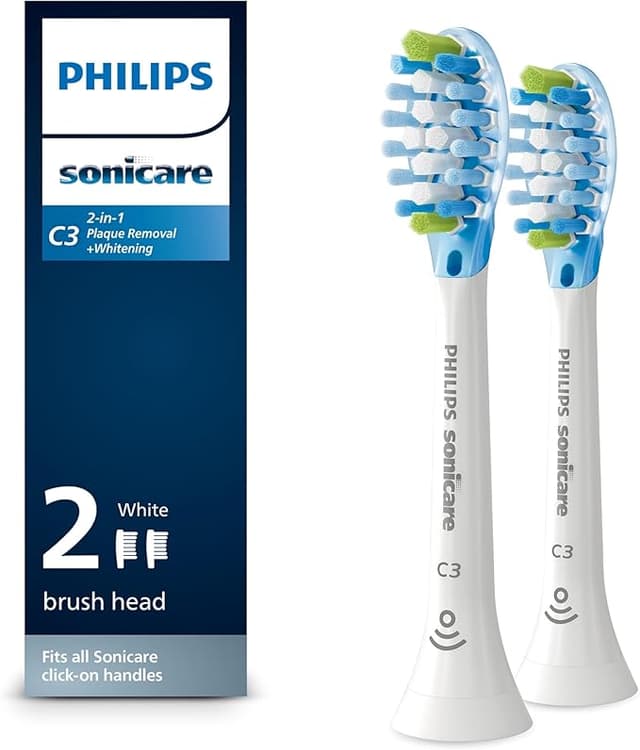
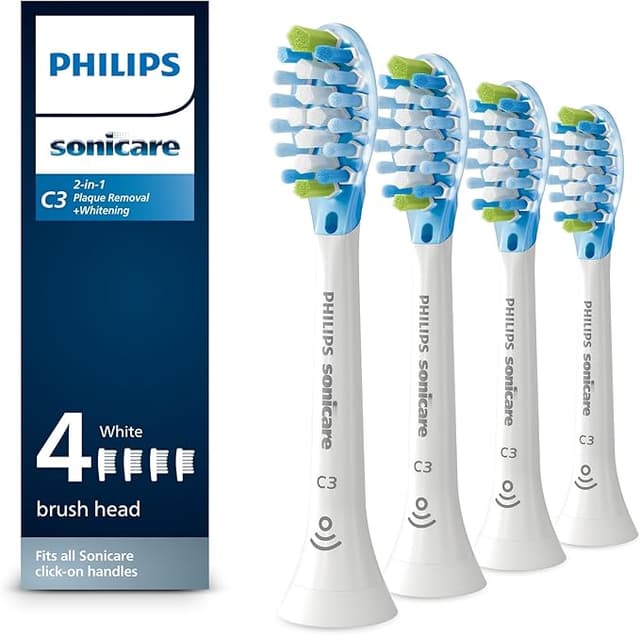
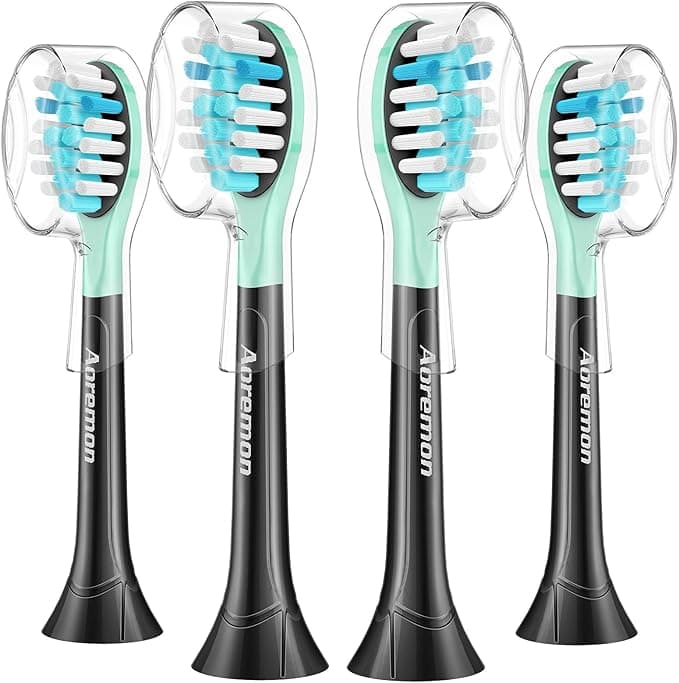
There I was, two browser tabs open, my thumb doing nothing. Left tab: a four-pack of genuine Philips Sonicare heads for my C2, sitting at about $45. Right tab: an eight-pack of compatible heads — twice the count — for around $22. So roughly $5.50 a head versus $2.75. Same brush. Same hand holding it. And I just... stalled. Because the cheap one always feels like the catch is hiding somewhere you don't see until your gums are bleeding.
I'd been burned before by a no-name razor cartridge, so the skepticism is earned. But I also hate paying $11 for a chunk of nylon and plastic the size of a thumbnail. So I bought the eight-pack, told myself I'd watch it like a hawk, and ran it for the full three-month cycle on my own C2. Here's what actually happened.
The price math, because that's why you're here
Let's be blunt about the gap. Philips wants original prices that, over a year, mean roughly four replacements — you're supposed to swap every three months — so call it $40 to $50 a year just in heads if you stay OEM. The compatible eight-pack I grabbed covers two full years for around $22. That's not a rounding-error savings. That's the difference between "a thing I begrudgingly reorder" and "a thing I forget I even buy." For a two-person bathroom running two C2 handles, the OEM tab gets genuinely annoying. The compatible route turned it into background noise.
The pitch on these is that they use the same DuPont bristles as the original. I can't laser-measure a filament, but I can tell you the bristle feel under my thumb was indistinguishable from the Philips head, and the cleaning passes felt the same. More on that below — including where it wasn't identical.
Does it actually click on? (Yes — with one note)
Install on the C2 is stupidly simple and the compatible head respects that. You pull the old head straight off the metal shaft — it's a friction fit, no twisting, just a firm tug. I rinse the shaft under warm water because old gunk likes to collect down at the base where you never look. Then you push the new head down until it clicks and seats flush against the handle.
The OEM click is crisp and confident. The compatible one seated and clicked too — but honestly, the first one I tried needed a slightly firmer shove to fully bottom out, and the seam between head and handle sat a hair prouder than the genuine part. Not loose. Not rattling. It didn't fly off, didn't wobble while brushing, didn't leak water down into the handle. But if you're the kind of person who notices a half-millimeter gap, you'll notice it. By the second head I'd learned to just press harder and it disappeared.
Performance: where it matched, and where it didn't
Cleaning-wise, my teeth felt exactly as polished as they do off an original head. That squeaky, just-left-the-dentist feel after two minutes — present. My hygienist didn't flag anything new at my checkup, which is the only "lab test" I actually trust. The oscillation didn't bog down, the handle didn't strain, battery life was the same because the head doesn't draw power, it just sits on the shaft.
Where it's a touch behind: the bristle stiffness softens a little faster. On the genuine Philips head, the indicator-style fade and the physical "this is getting limp" moment line up pretty well at the three-month mark. On the compatible head, I'd say the outer bristles started looking tired closer to ten weeks. Not falling apart — just not as bouncy. Which, weirdly, isn't really a dealbyou-should-replace-anyway problem, because you're supposed to swap at three months regardless and you've got eight of them. But if you're the type who pushes a head to five or six months to save money, that habit punishes a compatible head faster than an OEM one.
The real downsides — I'm not going to pretend there are none
First: the packaging is cheap. Thin blister plastic, no individual seals on some of them, a print job that looks like it was run off in a hurry. It doesn't affect the brush, but it does nothing to calm the "is this sanitary?" nerve. I rinsed each head in hot water before first use, which I'd recommend doing with any brush head, OEM included.
Second: there's a faint plastic-and-rubber smell on the very first use. Day one, slightly noticeable when it's right under your nose. By day two or three it's gone completely. It never transferred any taste to my mouth — it was a smell, not a flavor — but I won't pretend it wasn't there.
Third, and this is the honest one: consistency across an eight-pack isn't perfect. Seven of mine seated identically. One had that slightly tighter fit I mentioned. With a genuine four-pack you're paying partly for that boring, every-single-unit-identical quality control. Buy the compatible pack and you accept that one head out of eight might need an extra shove or feel marginally different. For me, at this price, that's a trade I'll take all day. For someone who wants zero variance, it's a real mark against.
Why none of this is the corner to cut on cheaply, though
Here's the part I won't soften. A worn brush head is not a cosmetic issue. Splayed, flattened bristles stop reaching the gumline and just mash against the enamel — they scrub less plaque and, worse, the frayed edges can scrape and irritate your gums. And an old head you've been running for half a year is a damp, sheltered little colony for bacteria. The whole reason the three-month rule exists isn't to sell you brush heads; it's that beyond that window the head genuinely gets less effective and less clean.
Which is the sneaky argument for going compatible: when heads cost $2.75 instead of $11, you actually replace them on schedule instead of guilt-stretching one to keep its money's worth. The cheap pack made me a better brusher, not a lazier one.
So, who should buy what
Buy OEM if you're a "every unit must be flawless" person, if you tend to ignore replacement schedules and need the head to physically force you out at exactly twelve weeks, or if a half-millimeter seam will live in your head rent-free.
For everyone else with a Philips C2: I ran these for a full cycle on my own daily handle, my dentist saw no difference, the fit held, and I'm paying a fraction of the original price for twice the count. The plastic smell faded in two days, one head out of eight needed a firmer push, and the bristles soften a little early — and knowing all of that, I reordered the compatible eight-pack. I'd buy it again, and I have.