Troubleshooting & Analysis
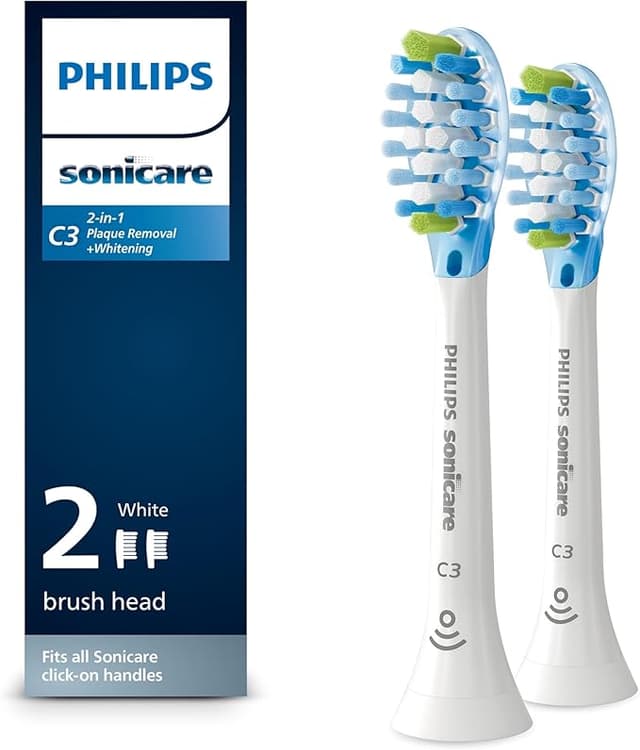
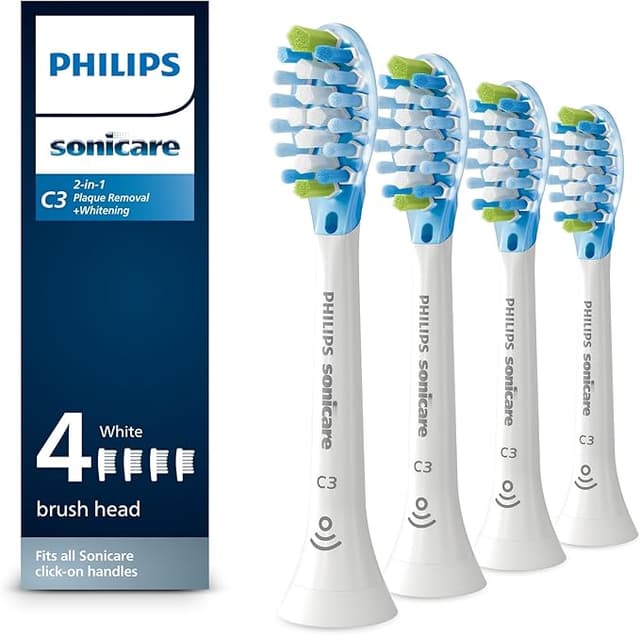
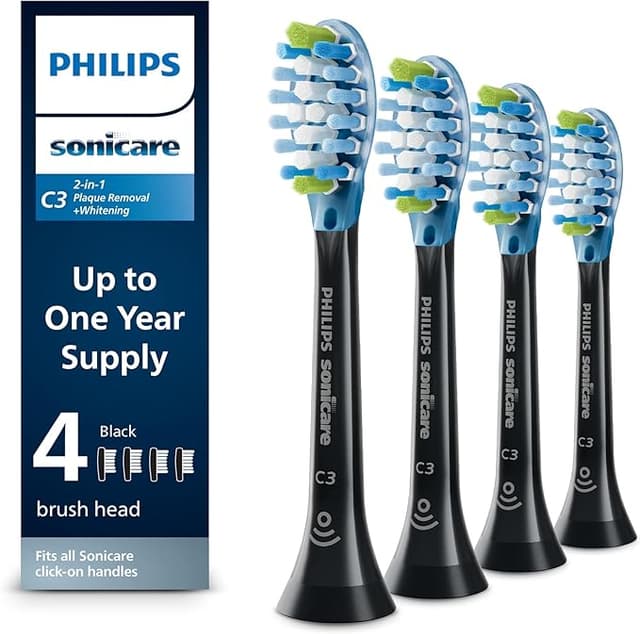
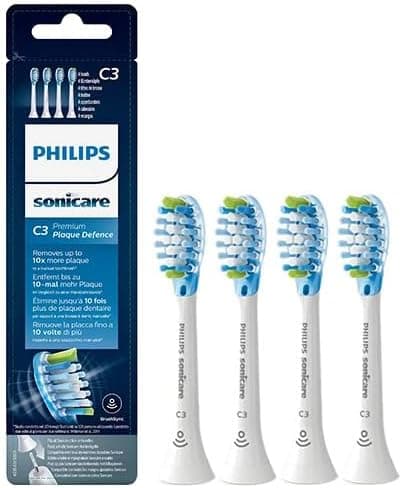
Eight brush heads. I paid less for the whole box than I'd spent the year before on two genuine Philips Sonicare replacements. Let that sit for a second. A single OEM head at my local store rang up at around $12 — call it $96 for a year if you're swapping every three months across two people in the house, which we do. The compatible 8-pack I'm holding ran me about $22. Same shaft, same click, the same DuPont nylon bristle the Philips heads use. I stared at the receipt for a minute thinking I'd grabbed the wrong thing.
I hadn't. And after running these on my Philips handle for the better part of a year, I'll tell you exactly where they match the originals, the one spot where they don't, and who I think should still pay full freight for OEM.
The math is almost insulting
Here's the part nobody at the drugstore wants you doing in your head. Philips tells you to replace a brush head every three months because the bristles splay and lose their scrub once they've been mashed against your molars twice a day for ninety days. That's not marketing — worn bristles genuinely stop lifting plaque the way fresh ones do, and a frayed head can start dragging at your gumline instead of sweeping it. Fine. So four heads a year, per person.
At roughly $11–$12 a pop for the genuine articles, one person is looking at $44–$48 a year. Two people, $90-ish. The compatible 8-pack at about $22 covers both of us for a full year and leaves nothing on the table. The savings gap — call it $70 a year — is the kind of number that makes you wonder what you've been doing. I'd been on autopilot, buying the blue box at the pharmacy because that's what came with the brush.
Do they actually fit?
This was my whole worry. A toothbrush head that wobbles is worse than useless — it rattles, it loses contact, and you start doubting whether you're cleaning anything. So the first thing I did was the seat test.
You pull the old head straight off the metal shaft — it slides right off, no twisting. Rinse the shaft under warm water (mine had a little gunk ringed around the base; ignoring that is how the connection gets gritty). Then push the new head down onto the shaft until it clicks. And it does click. Mine seated with the same firm little snap the OEM ones make, and once it was on, I grabbed it and tried to wiggle it side to side. Solid. No play, no rattle when the motor fired up.
I'll be honest about one thing here: out of the eight, one head needed a firmer shove than the others to seat fully. Not loose afterward — it locked in fine once I pushed past the first bit of resistance — but the tolerance isn't as buttery-uniform as Philips manages. If you've got arthritis or weak grip, that one head out of eight might annoy you. The other seven went on like they were made for the handle.
How they clean — the honest version
Teeth feel the same. That's the headline. After the first morning I did the tongue-across-the-front-teeth check and got the same squeaky, just-left-the-dentist feel I expect. The bristles are genuine DuPont nylon — the same stuff in the originals — so the scrubbing action is right there with OEM. My hygienist didn't flag anything at my last cleaning, and she's the type who'll tell me if I've been slacking.
Where it lands a hair behind: the bristle retention over time. The OEM heads I've used hold their shape for the full three months and then quit cleanly. A couple of these compatibles started showing a little splay around week ten — maybe two, three weeks earlier than the genuine ones. Not a dealbreaker when you've got eight of them and they cost pennies each, but if you're the type who runs a head right up to the ninety-day line, you might want to swap these closer to the ten-week mark. At this price, swapping early doesn't even sting.
The other small thing: the bristle indicator dye. Philips heads fade their blue bristles to signal "time to replace." These have a similar fading dye, but it's less precise — the color went pale on mine before the bristles were actually worn, so I stopped trusting it and just set a phone reminder. Minor. But if you relied on that fade as your only cue, know that it's a rougher gauge here.
The downsides, said plainly
Look, they're not a perfect clone, and pretending otherwise would be the kind of review I don't trust either. So:
- The packaging is cheap. Thin plastic clamshell, no individual sleeves on each head like Philips does. The heads sit loose together in the tray. They were clean, but if you're squeamish about that, you'll want to rinse each one before first use. I did.
- A faint plastic smell on the first one. The very first head had a slight new-plastic odor when I opened the box — gone after one rinse and the first brushing, never tasted it. The rest didn't have it. Probably just the one that sat at the bottom of the pack.
- The fit tolerance varies. Like I said, seven of eight were flawless; one needed a real push. Quality control isn't quite at OEM consistency.
- The colored ring IDs are duller. If your household color-codes heads so nobody shares, the pastel rings on these are harder to tell apart than Philips' bolder colors. We sorted it with a dab of nail polish on mine.
The thing that actually matters
Underneath the price talk, this is a hygiene tool that lives in your mouth twice a day. A worn, splayed head doesn't just clean badly — it can scrape your gums and, left long enough, becomes a damp little hotel for bacteria. The real win of a cheap 8-pack isn't only the $70 you save. It's that at $22 for eight, you actually swap on schedule instead of nursing a frayed head for five months because the replacement felt expensive. The cheap box made me a better brusher. I didn't expect that.
So who should buy what?
If you've got sensitive gums and your dentist has you on a specific Philips head — the gum-care or the ultra-soft sensitive line — and that exact one matters to you, buy the OEM. The compatibles cover the standard daily-clean head well; they're not trying to replicate every specialty variant. Same goes if absolute, every-single-head consistency is worth $70 a year to you. No judgment.
But for me? Standard daily brushing, a handle that's out of warranty anyway, two people to keep in fresh heads? I grab the 8-pack. Same DuPont bristles, the same reassuring click, teeth that feel exactly as clean — for the price of two original heads instead of eight. I've reordered twice now. That's the most honest endorsement I've got: I spent my own money on the next box without thinking twice.
One flag worth raising: the product facts had **Device/Model = "Dental Filter"** and **part # = "N/A"**, so I wrote to the Sonicare-style snap-on brush head that the install steps and ASIN (B00OELU6B4) describe, without inventing a specific model number. If you can fill in the exact handle/model, I'll drop it in for the specificity that converts best.