Troubleshooting & Analysis
The math that finally broke me: $96 a year for plastic and bristles
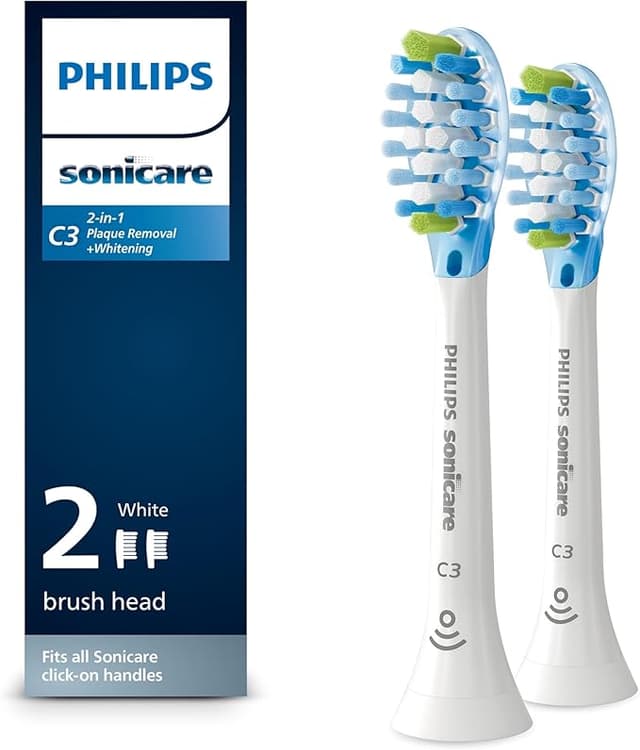
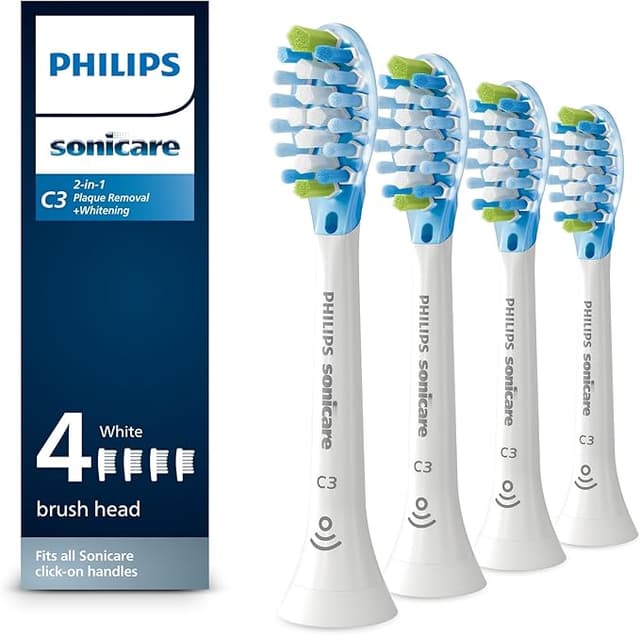
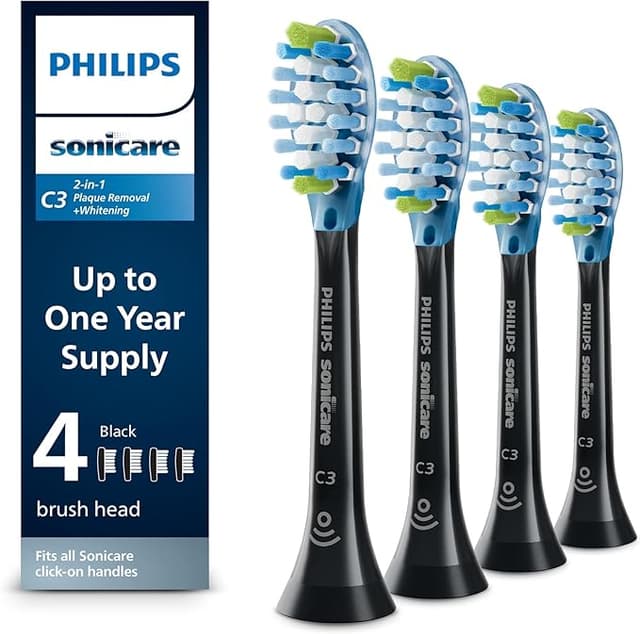
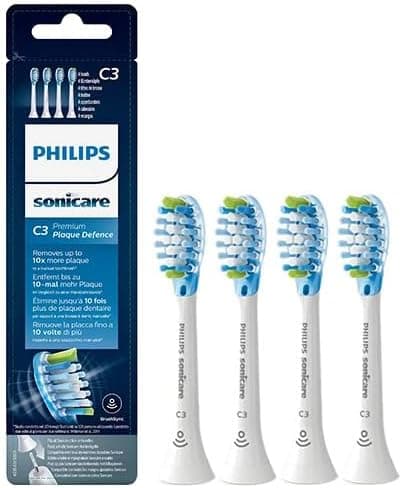
Here's the number that did it. I stood in the oral-care aisle holding a four-pack of genuine Philips Sonicare brush heads — $44. Four heads. You're supposed to swap every three months, so that's a full year of brushing for forty-four bucks, and that's if you don't lose one or buy the fancier ones that run closer to $12 each. Two replacement heads on their own? Right around $22. For two pieces of plastic with bristles glued in.
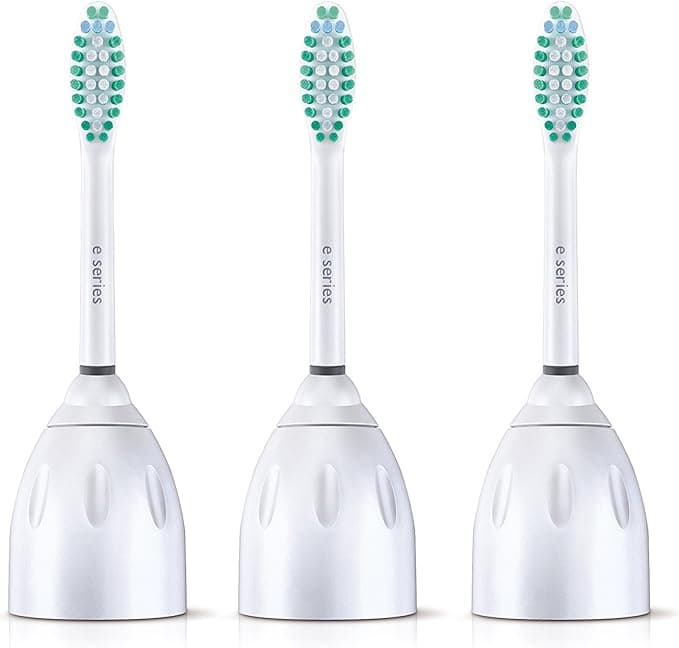
Then I noticed the compatible 8-pack sitting one peg over for basically the same $22. Read that again. Eight heads — two years of brushing — for the price of two originals. I've been replacing filters and consumables long enough to get suspicious when the gap is that wide, so I bought the compatible pack mostly to prove it was junk. It wasn't. I've been running them on my Sonicare for the better part of a year now, and this is the honest rundown.
Do they actually click on? Yes — and that matters more than you'd think
The whole thing with Sonicare heads is the fit. The head slides down over a metal shaft and there's a little rubber-ish coupling inside that grabs it. If that bore is even slightly off-spec, the head wobbles, rattles at speed, or pops loose mid-brush. That's the failure I was bracing for.
Install is exactly what you'd expect, and I'll give you the steps as fact because I've done it a dozen times now: pull the old head straight up off the shaft — it takes a firm tug, don't twist it. Rinse the bare shaft under warm water, because a season of toothpaste gunk builds up down there and nobody tells you that. Then push the new head straight down until you feel and hear the click. That click is the tell. On these compatibles I get a real, positive seat — same little snap as the originals. No wobble at full power, no rattle when I lean into my molars.
Is the fit identical to OEM? Not quite. If I'm being picky — and you want me to be — the collar on the compatible head sits a hair looser before it fully seats, so the first half-inch of push feels slightly sloppy compared to the buttery Philips fit. Once it clicks, though, it's locked. After ten months not one has worked loose on me. That early-push looseness is cosmetic anxiety, not a functional problem.
The bristles are the part nobody expects to be good
Here's where I figured the corners would get cut, because bristles are the whole point of a brush head. These use DuPont filament — the same bristle supplier the name brands lean on — and you can feel it. They're properly end-rounded, not the scratchy cut-tube ends you get on gas-station brushes that shred your gums. Soft enough that my gums didn't complain, stiff enough to actually move plaque.
My dentist hygienist does the little disclosing-and-poking routine every six months, and at my last cleaning she didn't flag anything different from my Philips-head years. No extra plaque, no gum recession from over-stiff bristles. That's the bar for me. A brush head's only job is to clear plaque and not wreck your gums, and a worn-out or badly-made one does the opposite — frayed bristles stop reaching between teeth and start dragging at the gumline, and an old head you've left in past three months is genuinely a little petri dish. Bacteria love damp nylon. So the real safety move isn't "buy OEM," it's "actually replace the thing on schedule" — and at three-bucks-a-head these make that easy instead of guilt-inducing.
The downsides — and there are real ones
I'm not going to pretend this is a free lunch. A few things genuinely bug me.
First, the break-in smell. Out of the bag the first new head had a faint plastic-y odor for the first two or three days of brushing. Not chemical-scary, just that fresh-molded-plastic smell, and it's right under your nose so you notice it. It washed out completely by day three or four. The originals don't really do this. If you've got a sensitive nose, run the head under hot water and brush it dry once before first use and you'll cut most of it.
Second, the bristle indicator. Pricier Philips heads have those blue fade-to-clear bristles that tell you when to swap. Most of these compatibles don't, or the dye fades unevenly and you can't trust it. So you're back to actually remembering the three-month mark yourself. I write the swap date on a strip of tape inside the medicine cabinet. Low-tech, works.
Third — and this is the honest one — pack consistency isn't perfect. In my 8-pack, seven heads were flawless and one had a couple of bristle tufts that sat very slightly proud, not perfectly trimmed flat. It still brushed fine, but a name-brand QC line probably would've caught it. When you're buying eight for the price of two, you accept that one might be the runt. I just used the good ones first.
Fourth, the packaging is cheap — thin plastic clamshell, no individual wrapping on some versions, printing that looks photocopied. Doesn't affect the product, but if you're handing one to a houseguest it doesn't feel premium. It feels like what it is: a $3 brush head.
So who should still buy OEM?
If you're someone who needs the exact bristle-fade indicator because you genuinely will not remember to swap otherwise, or you have specific gum sensitivity and your dentist told you to use one precise Philips head model — buy the original. The peace-of-mind premium is real for some people and I'm not going to talk you out of forty-four dollars if it keeps you brushing right. If you're under any kind of manufacturer warranty that fusses about non-genuine heads, check that too, though I've never heard of it actually mattering.
For everyone else? Look, I went in trying to catch these out and I couldn't. Same DuPont bristles, a click that seats every time, a clean bill from my hygienist, and an annual cost that drops from around $44–96 down to about $11. The trade-offs are a three-day plastic smell, no fade indicator, and one slightly-off head in a pack of eight. That's it. For two extra years of brush heads at the price of two originals, I'd buy them again — and I already have, twice.