Troubleshooting & Analysis
The click told me everything before I'd even brushed
First thing I noticed wasn't the bristles. It was the sound. When I pushed the new compatible head onto the metal shaft of my Philips AP-ON, it gave this short, dry snick — the same seating click the genuine Sonicare heads make. I'd been bracing for a mushy, half-on wobble, the kind of cheap fit where you can twist the head a few degrees and feel the play. Nope. It sat down flush, locked, and stayed put when I tugged it. That little detail relaxed me more than any spec sheet could have.
Because honestly? I didn't trust these. I'd been paying full Philips prices for years out of pure inertia, and the idea of a third-party head touching my gums twice a day made me a little squeamish. So I did what I always do — I bought a pack, ran them through a real rotation, and paid attention.
The price gap is almost insulting
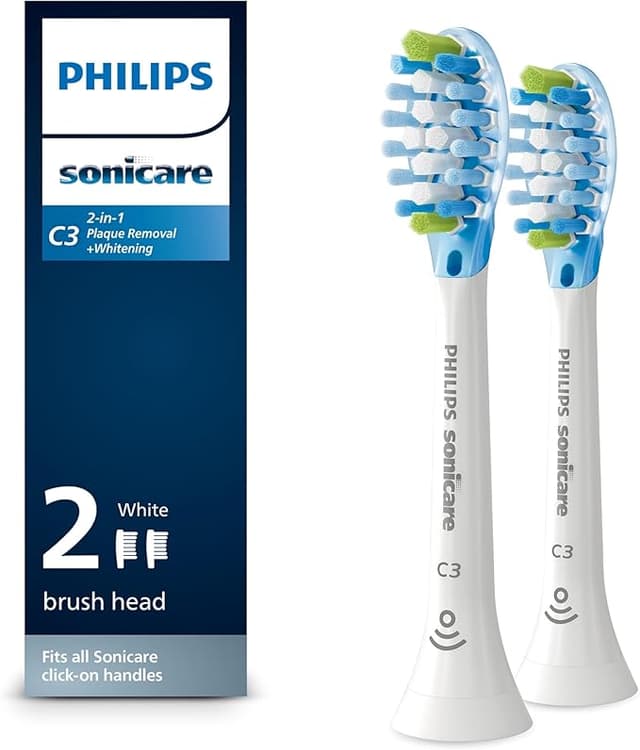
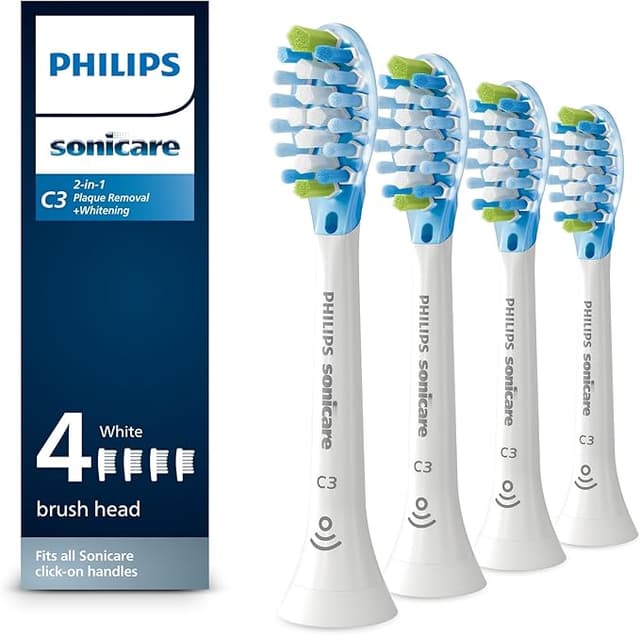
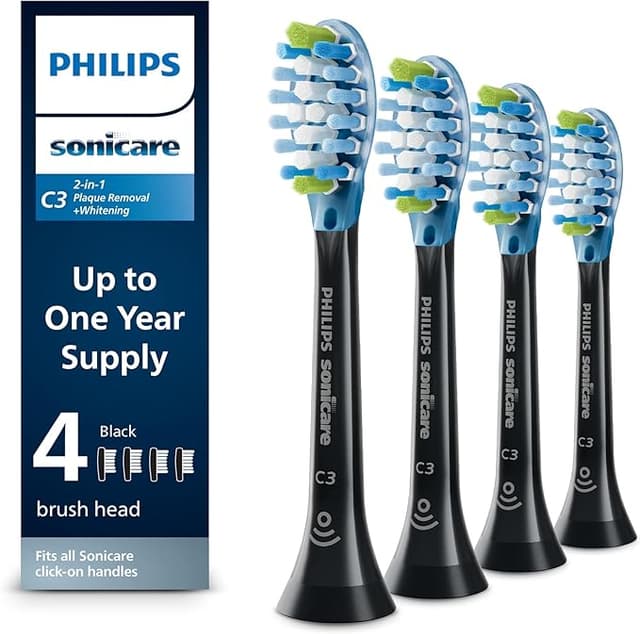
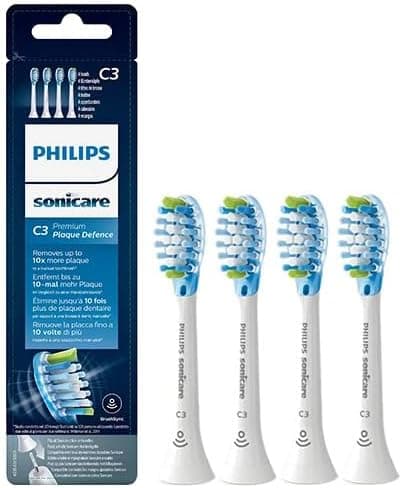
Here's the math that got me to even try this. A genuine Philips replacement head runs somewhere around $11 to $12 each when you buy them in the small packs — call it $24 for a two-pack. The compatible set I grabbed was an 8-pack for roughly that same $24. Read that again. Eight heads for what Philips charges for two.
You're supposed to swap your brush head every three months. So one person burns through four heads a year. With the OEM stuff, that's nearly $48 a year just on little plastic-and-nylon caps. With the 8-pack, I'm set for two full years for $24 — about $3 a head instead of $12. The annual cost basically drops from forty-some dollars to twelve. That's not a coupon-level saving. That's the kind of gap that makes you wonder what exactly you were paying the brand for.
Fit and install: dead simple, slightly different feel
Swapping heads on the AP-ON is about as low-skill as maintenance gets, and these compatible ones don't change that. You pull the old head straight off the shaft — it comes away with a firm tug, no twisting needed. I rinse the bare metal shaft under warm water for a second to clear off any old toothpaste gunk and water spots. Then push the new head down until you get that click I mentioned.
One small thing I'll be straight about: the inside collar of the compatible head is a hair tighter going on the first time. The very first head I installed took an extra half-second of pressure to fully seat — I think there's a touch more flashing inside the plastic socket than on the genuine ones. It wasn't hard, and it didn't recur once the head had been on and off a couple times, but if you're the kind of person who notices these things, you'll notice it. After that, on and off is identical to OEM.
How it actually brushes
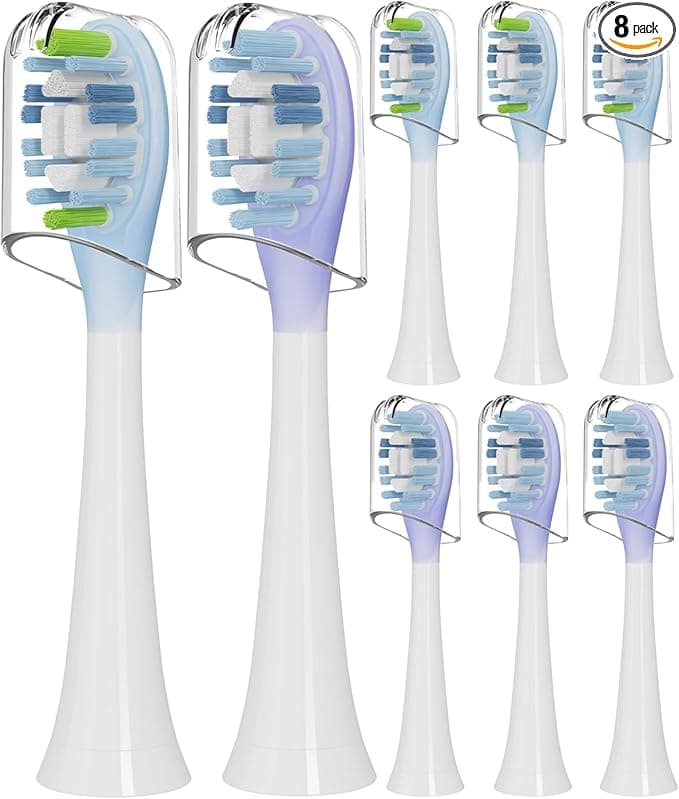
The bristles are the part that matters, and this is where the listing's claim about Dupont bristles actually held up for me. They're the same soft, rounded-tip nylon you want against your gumline — not the stiff, scratchy budget filaments I was afraid of. My teeth felt genuinely clean after the first brush. That slick, just-left-the-dentist feeling on the back molars? It's there. The oscillation from the handle drives them the same way it drives the originals, because the head geometry is matched to the AP-ON shaft.
The color-fade indicator bristles — the blue ones that wash out toward white as the head wears — are present and they fade on schedule, which is a nice touch I half-expected the cheap version to skip. After about ten weeks of twice-daily use, mine were clearly lightening, right on cue for the three-month swap.
Where's it a touch behind? If I'm being picky, the bristle trim feels a shade less precise than a genuine head fresh out of the box. The OEM heads have this very uniform, almost manicured bristle field. On a couple of the compatible heads, one or two outer tufts sat very slightly proud of the rest. Did it affect the clean? Not that I could feel. But under a bright bathroom light, the genuine head looks a little more finished. That's the gap. It's cosmetic and it's small.
The real downsides — and there are a couple
I promised myself I'd write the things the marketing pages won't.
One: the first two or three days, there's a faint plastic smell when the head is dry. Not chemical-harsh, just that new-injection-molded-plastic note. It doesn't transfer any taste once it's wet and loaded with toothpaste, and it's gone completely by day three or four. But the first morning, you'll catch it. Give a brand-new head a good rinse and a few seconds under hot water before the first use and it's barely noticeable.
Two: the packaging is cheap. The genuine Philips heads come individually capped and sealed in that crisp branded blister. These came loose-ish in a single plastic tray inside a thin box. The heads themselves were clean and clearly hadn't been handled, but it doesn't feel premium, and if you're gifting an electric toothbrush, you might not want to hand someone the bargain bag. Minor. But real.
Three — and this is more a caution than a complaint — quality across an 8-pack isn't perfectly identical. Seven of my eight were flawless. One had that slightly-proud tuft I mentioned. At three bucks a head I genuinely do not care, but if you're someone who'll be annoyed by one mild dud out of eight, factor that in.
Why a worn head is worth caring about
It's easy to ride a brush head way past its expiration because it still looks fine. Don't. Frayed, splayed bristles stop reaching the gumline properly, so plaque quietly builds where the brush no longer cleans — and a tired head that's been damp twice a day for months is a comfortable little home for bacteria. The whole point of changing every three months is that fresh, intact bristles actually do the job and worn ones quietly stop. The thing that always pushed me to procrastinate the swap was the cost. Funny enough, going compatible fixed that — when heads are $3 instead of $12, I have zero hesitation tossing one at the three-month mark. The cheaper head literally made me change them more often, which is the opposite of what I expected and probably better for my gums.
So who should buy what
If you're under warranty and paranoid about voiding anything, or you simply want the absolute manicured-bristle perfection and branded packaging and you don't mind paying four times the price for it — buy the genuine Philips heads. No shame in that. They're excellent.
But for me? Eight heads for the price of two, the same Dupont-style soft bristles, the same satisfying click onto the AP-ON shaft, a clean that I genuinely cannot tell apart at the gumline — minus a faint two-day plastic smell and a thrift-store box. I'd buy these again. I already have. The next 8-pack is sitting in my cabinet, and at twelve bucks a year I stopped feeling guilty about my teeth-cleaning budget for the first time in a decade.