Troubleshooting & Analysis
Forty bucks a year to filter water I already pay for — and that was the cheap part
Here's the number that finally got me to stop buying the brand-name filters. PetSafe wants me to swap the carbon filter in my Drinkwell stainless fountain every two to four weeks. Call it twice a month. The official PetSafe carbon filters run me around $20 for a 3-pack, which sounds fine until you do the boring arithmetic: a 3-pack lasts six weeks if I'm disciplined, so I'm buying roughly eight packs a year. That's about $52 a year to filter water out of my own tap, for one cat.
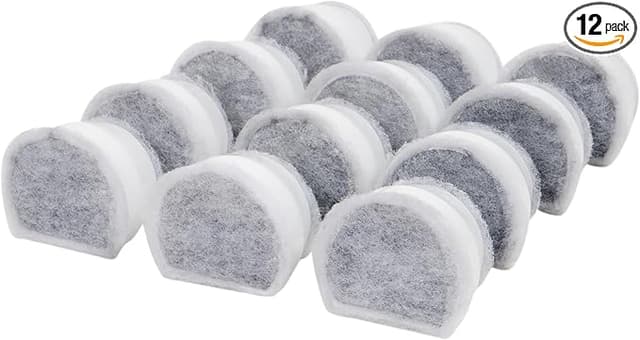
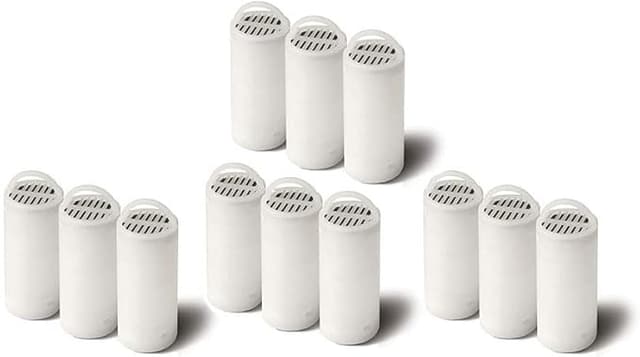
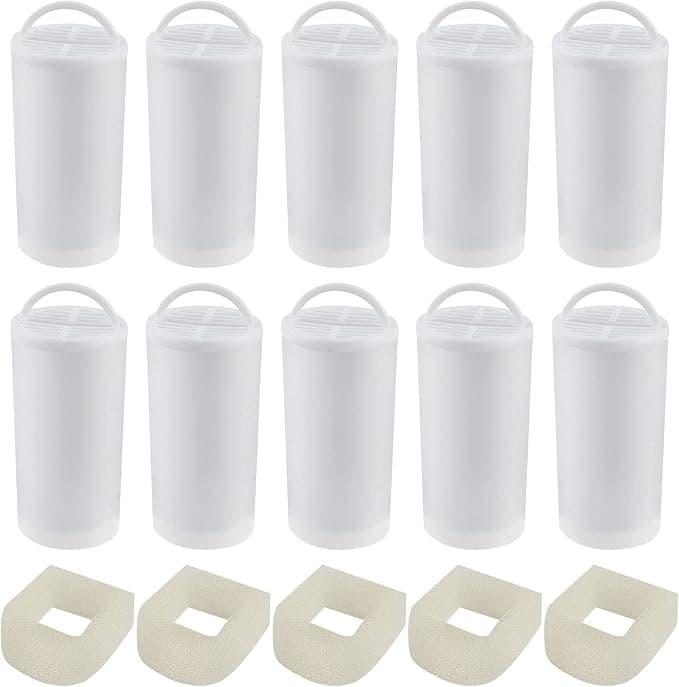
The compatible carbon filters I switched to? A 12-pack lands around $16. Same fountain, same filter compartment, same triple-action carbon-and-foam job. Run the math the same way and I'm spending under $25 a year. So we're talking a $27ish gap, every year, forever, on a part that gets soaked and tossed. When the consumable costs more over time than I'd ever pay attention to, that's exactly where the OEM premium stops making sense.
I didn't trust the cheap ones at first. I'll be honest about that.
The fit — which is the whole ballgame on a fountain filter
With a fridge filter or an air purifier, a loose aftermarket part can leak or whistle and you notice fast. A fountain filter is more forgiving but also sneakier — if it doesn't seat flat in the compartment, water sneaks around it instead of through it, and you've basically got an expensive splashing bowl. So the first thing I did with the compatible filter was check the seat.
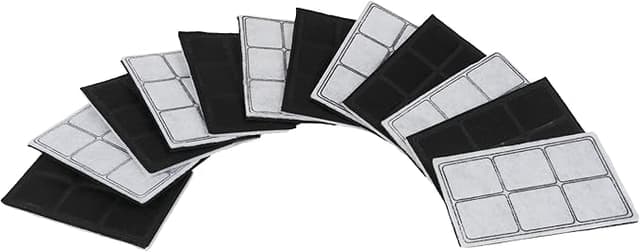
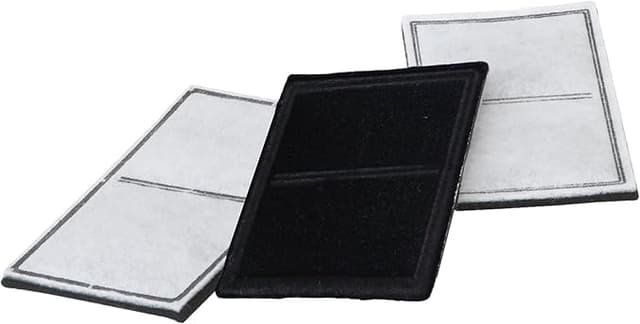
It dropped into the Drinkwell's filter slot the same way the PetSafe one does. Same rectangular carbon pack, same foam pre-filter side. I followed the routine I'd use for any of them: soaked it in a bowl of water for a solid ten minutes first so the carbon stops floating and actually starts pulling water through, then rinsed it hard under the tap until the water ran clear instead of that gray carbon dust. Pressed it into the compartment, snapped the cover down. It sat flush. No rocking, no gap I had to thumb back into place.
If I'm nitpicking — and the whole point of this is to nitpick — the foam edge on the compatible one was cut a hair less crisp than PetSafe's. Slightly fuzzier trim. It still seated, water still ran through the carbon and not around it, but you can tell a fraction less care went into the die-cut. Didn't matter to the function. Mattered to my eye for about four seconds.
How it actually performs in the bowl
My cat is the real judge here, and she's a snob. The reason I run a fountain at all is that she won't touch a still bowl once it's been sitting — and a fountain with a dead filter is just a noisy still bowl with slime building up in the basin. That slimy film is the actual health issue people underrate. Stagnant, unfiltered water in a warm kitchen grows bacteria fast, and a cat who sniffs it and walks away is a cat heading toward not drinking enough, which is a urinary-tract problem waiting to happen. The filter isn't a luxury. It's the thing keeping the water moving and clean enough that she'll drink.
On that test, the compatible filter does the job. Water stayed clear, no taste-funk that I could detect (I drank a little — yes, really), and she kept drinking from it the same as before. Over a full two-to-four-week run the carbon held up: I didn't get that early-saturation gray tinge or the faint pond smell that tells you a filter's given up. Hair and the little bits of kibble she drops near the bowl got caught in the foam exactly like they should.
Where it's a touch behind OEM: the carbon seems to fade slightly faster at the very end of the interval. With the PetSafe filter I could stretch a lazy week past the recommended window before the water tasted flat. With the compatible one, when it's done, it's done — the back end of week four it's clearly time. So I just don't push it. At twelve filters for sixteen bucks, who's stretching anyway?
The downsides, said plainly
The packaging is cheap. The PetSafe filters come individually sleeved; my 12-pack came as a stack in one plastic bag, filters touching each other, a little carbon dust loose in the bottom. Cosmetically that put me off on day one. Functionally it's a non-issue — you're rinsing every filter under the tap before it goes in anyway, which clears the dust in about ten seconds.
Second real one: the first filter I pulled from a fresh bag had a faint plasticky-cardboard smell out of the package. The ten-minute soak and a hard rinse killed it completely, and the water afterward was odorless, but if you skip the soak-and-rinse step (which you shouldn't with any brand) you might catch a whiff for the first day. Do the prep. It's in the instructions for a reason — the soak is what wets the carbon so it filters instead of just sitting there.
Third, smaller: pack-to-pack consistency isn't quite OEM-tight. Across twelve filters, one or two had marginally thinner foam than the rest. All worked. None failed. But you can feel the manufacturing tolerance is looser than the brand-name line.
Who should still buy OEM — and who shouldn't
If your fountain is one of the oddball Drinkwell models with a non-standard filter cradle, or you've had a past compatible filter literally not seat, pay the PetSafe premium and don't think about it — a filter that doesn't sit flat is worse than no upgrade at all. And if a couple of extra dollars a year genuinely doesn't register for you, the OEM packaging and tighter consistency are a real, if minor, nicety.
For everyone else with a standard stainless Drinkwell? I switched and I'm not switching back. Same fit, same clear water, same cat drinking happily, for roughly $27 less a year on a part I throw in the trash every few weeks. The downsides are real — cheaper bag, a one-day smell if you skip the soak, slightly looser build — and none of them touched the only two things that matter: it seats flat and it keeps the water clean. For a soaked-and-tossed consumable, that's the entire job. I bought another 12-pack last month, which tells you everything.