Troubleshooting & Analysis
I did the math standing in the pet aisle, which is a dumb place to do math but here we are. PetSafe's own Drinkwell carbon filters were running me about $5 a pop in the small packs. The fountain wants a fresh one every two to four weeks. So call it twenty filters a year if you're being honest about hygiene — that's a hundred bucks a year to keep a cat fountain from going slimy. A hundred dollars. For carbon and foam. Meanwhile the compatible 12-pack I'd been eyeing was sitting there at around $15, which works out to a little over a dollar each. Same fountain, same job, roughly a fifth of the cost.
That gap is the whole reason this page exists, so let me just tell you what happened when I actually swapped over.
The price shock, laid out plainly
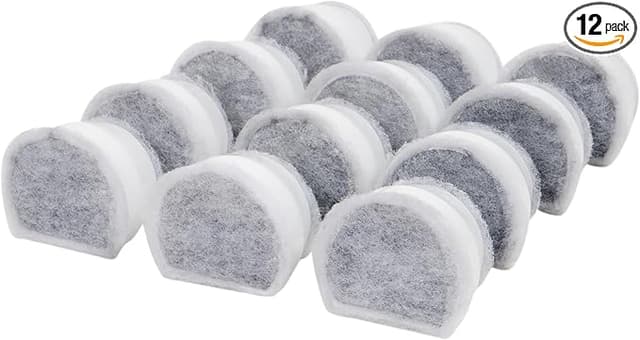
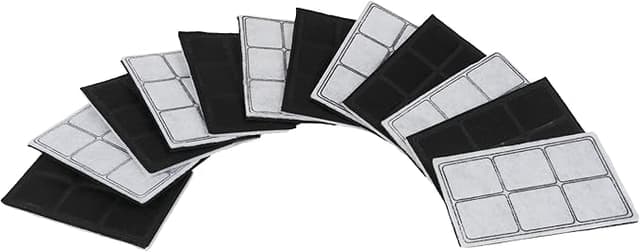
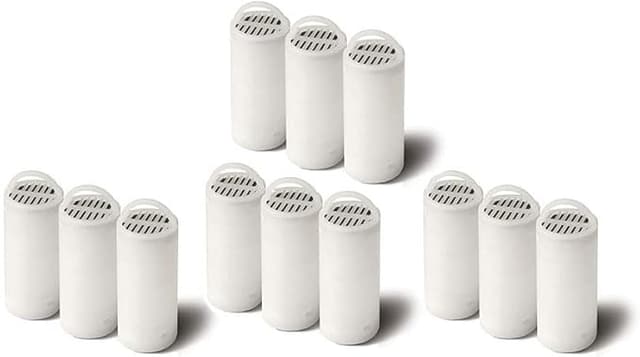
Here's the side-by-side that made me switch. OEM Drinkwell carbon filters in the smaller packs land somewhere near $5 each by the time they reach your door. The compatible Carbon Filter packs I've been buying come out to roughly $1.25–$1.40 a filter when you grab the bigger count. Run the year:
- OEM, replaced every 3 weeks: ~17 filters × $5 ≈ $85 a year, and that's if you stretch the interval.
- Compatible, same schedule: ~17 filters × $1.30 ≈ $22 a year.
That's a sixty-dollar-plus swing on a single cat's water bowl. Two pets, two fountains, and now we're talking about real money — the kind of money that buys a vet visit you'd rather have a buffer for. The savings aren't a rounding error. They're the point.
Does the cheap one actually fit?
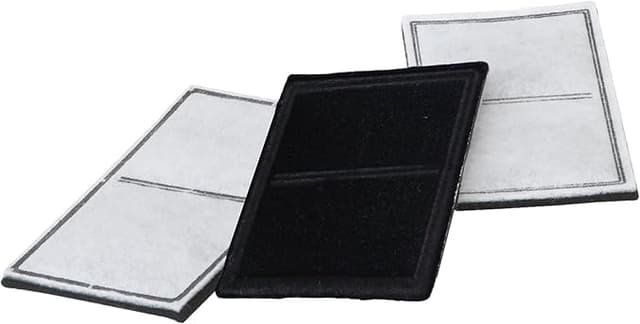
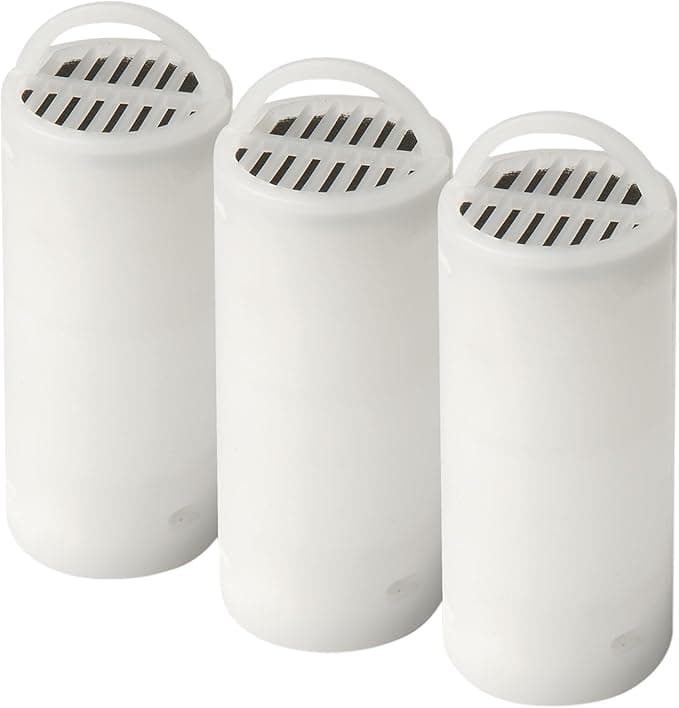
This was my first worry, because a filter that doesn't seat is worse than no filter — it lets water sneak around the carbon instead of through it. I've run these in a Drinkwell now for months and the fit is honestly fine. The cut of the foam matches, the carbon pad sits where it should, and the plastic frame snaps into the compartment with the same little resistance the OEM gives you.
One thing I'll flag: prep matters more with these than with the originals. The instructions say soak the filter for ten minutes before use, and with the compatible ones I'd treat that as non-negotiable, not a suggestion. Dry carbon floats and traps air, and a filter full of air bubbles doesn't pull water evenly. So I drop it in a bowl of water, let it sink and stop fizzing, then rinse it thoroughly under the tap to wash off the loose carbon dust before it ever touches the fountain. Skip that rinse and you'll get a few black specks in the bowl the first day — harmless, but it'll make you think you bought junk. You didn't. It's just carbon that wasn't rinsed off.
Seat it into the filter compartment, drop the pump cover back on, and it runs. No fiddling, no shimming. The frame on the compatible ones is a hair less rigid than OEM — you can feel it flex a touch more when you press it in — but once it's in the housing it doesn't move.
How it actually performs
The triple-action idea here is simple: foam catches hair and the chunky debris, carbon handles taste and odor, and the whole thing keeps water moving so it doesn't go stagnant. On the stuff that matters most to a fussy animal — does the water taste clean enough that they'll actually drink — these hold up. My cat is a water snob. She'll walk away from a bowl that's been sitting. She drinks from the fountain with the compatible filter the same as she did with the OEM, which is the only performance test I really trust.
Hair and debris capture is genuinely on par. The foam side loads up with fur over the weeks exactly the way the original does, and you can watch it doing its job — by week three the intake side is visibly grimier than the clean side, which is the filter working, not failing.
Where's it a touch behind? Carbon longevity. I get the sense the compatible filters carry a slightly smaller dose of activated carbon than OEM, because the taste-scrubbing seems to fade a few days sooner. With the originals I could push toward four weeks before the water started tasting flat (yes, I tasted it — you should know what your pet is drinking). With these I'd swap at the three-week mark to stay safe. That nudges you toward the more-frequent end of the every-2-to-4-weeks window — but even buying more often, you're so far ahead on price it doesn't matter.
The real downside
I promised honesty, so: the packaging is cheap and the consistency isn't perfect. The OEM filters come individually sealed in a way that feels deliberate. The compatible packs I've gotten are bagged together, and once in a while one filter in the batch has foam that's cut a millimeter loose or carbon that's packed a little unevenly. Out of a dozen, I've had maybe one that I'd call a dud — looked fine, but seated loose enough that I tossed it rather than risk water bypassing it. At a dollar-something each, throwing one away doesn't hurt. If that same lottery happened with $5 OEM filters I'd be furious. At this price it's a shrug.
The other honest note is a faint smell on a brand-new filter for the first day — a slightly woody, carbon-y note, not chemical, that rinses out and disappears once water's been cycling through it. The ten-minute soak plus a good rinse kills almost all of it. By day two it's gone and the water's neutral.
Why none of this is optional
Here's the part people skip. A pet fountain isn't a luxury gadget — it exists because a lot of cats won't drink enough from a still bowl, and an underhydrated cat is a urinary-and-kidney problem waiting to happen. But the fountain only helps if the filter's alive. Let a saturated filter sit and the thing it was preventing starts going the other way: slimy biofilm on the housing, stagnant water, bacteria multiplying in exactly the bowl you set up to keep your animal healthy. If your pet suddenly starts refusing the fountain, nine times out of ten it's a tired filter and a slick of buildup they can smell even if you can't. The whole argument for going compatible is that when filters cost a dollar instead of five, you actually change them on schedule instead of stretching a dead one another two weeks to save money. Cheaper filters, changed on time, beat premium filters you ration.
The verdict
Buy OEM if you genuinely cannot be bothered to add the soak-and-rinse step, or if you want every single filter in the pack to be flawless and individually wrapped and you'll pay $5 each for that certainty. That's a real preference and I won't argue you out of it.
For everyone else — for me — the compatible Carbon Filter is the obvious grab. It fits the Drinkwell, it keeps the water tasting clean enough that my picky cat actually drinks, the foam catches hair just as well, and it costs me about $22 a year instead of $85. The trade-offs are a slightly shorter carbon life and one occasional dud per pack, both of which the price more than covers. I've bought these three times now. I'll buy them again. Just soak them first, rinse off the carbon dust, and change them a touch sooner than you think you need to.