Troubleshooting & Analysis
The first thing I noticed wasn't the fit or the flow — it was the smell. Or really, the lack of one. I'd cracked open a fresh PetSafe carbon filter, soaked it in a bowl the way you're supposed to, and held it up to my nose half-expecting that flat, dusty cardboard whiff you get from cheap charcoal pads. Nothing. Just wet carbon, faintly mineral, the way a new filter should smell before it's done a single day of work. That small thing told me more than any spec sheet would.
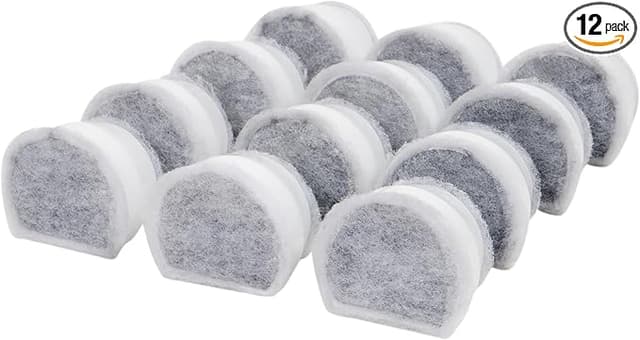
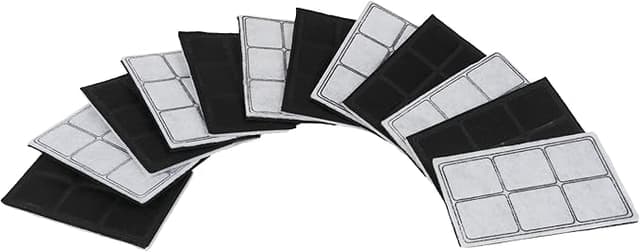
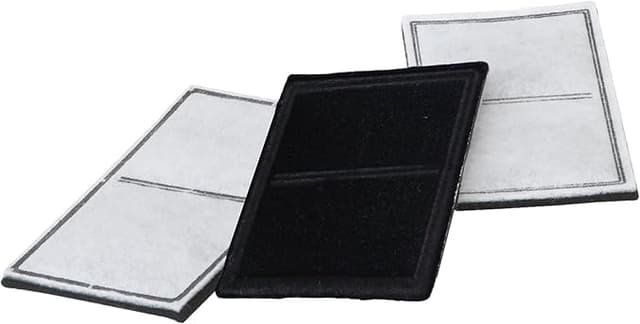
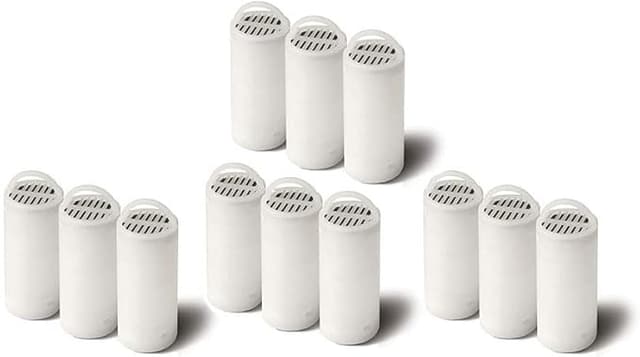
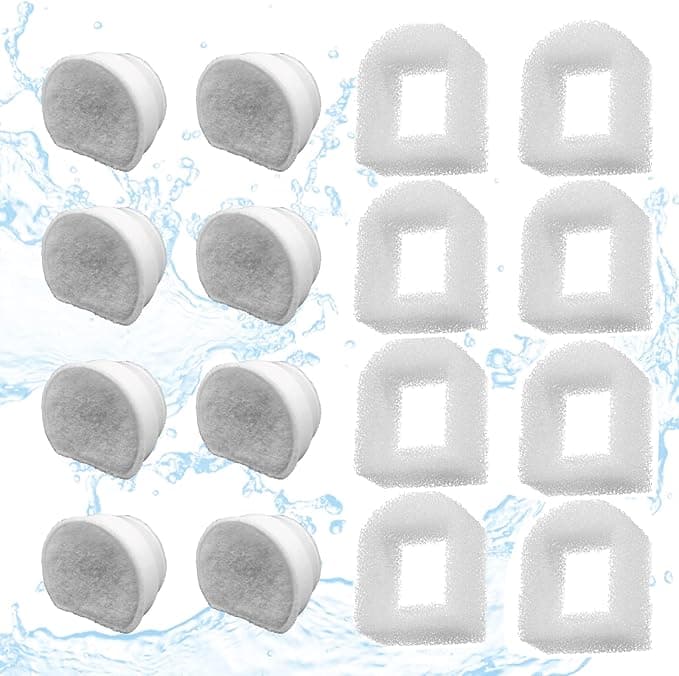
I've been running PetSafe and Drinkwell fountains for my two cats for years now, and the filters are the part nobody warns you about when you buy the fountain. The machine is a one-time cost. The carbon filters are forever. And that's exactly where this decision lives — between paying full freight for the box with the PetSafe logo, or grabbing the compatible carbon filters that drop into the same slot for a fraction of it.
The number that actually matters
Here's the math that made me start testing alternatives. A genuine PetSafe carbon filter 4-pack runs me around $14 at most pet stores — call it $3.50 a filter. And you're swapping these every two to four weeks, which means in a year you're burning through roughly a dozen or more. That's $45 to $50 annually just to keep your cat drinking, per fountain. If you've got two fountains like I do, you can double it.
The compatible carbon filters I've been buying come in bigger counts — I paid about $16 for a pack that lasts me well over half a year. Per filter, that's closer to $1.30. Same job, same slot, a third of the cost. Over a year, on a single fountain, I'm saving something like $30. It's not life-changing money, but it's the kind of recurring cost that quietly adds up, and once you realize the cheaper one works you feel a little dumb for not switching sooner.
Does it actually seat right?
This is the part people get nervous about, and fairly so — a filter that doesn't sit flush is worse than no filter, because water just routes around it and you're paying for decoration. I'll be honest: the compatible filter's frame is a hair less crisp than the OEM. The plastic edge is a touch softer, the cut a little less precise. When I first dropped it into the filter compartment, it didn't give me that confident snug-click the genuine one does. It seated, but it felt like it was just *resting* there.
So I did what you should always do with any of these — I soaked it a full ten minutes first, rinsed it hard under the tap until the water ran clear of carbon dust, and then pressed it down firmly into the housing instead of just laying it in. After the soak the foam swells slightly and grips the compartment better. Seated that way, it held. Four weeks later it was still flat, still flush, no bypass channel forming around the edge. The soak-and-rinse step isn't optional with these compatible ones — skip it and you'll get black grit in the bowl for the first day. Do it, and the fit problem basically disappears.
How it performs once it's running
The triple-action claim — hair, debris, bad taste — is the whole reason a carbon filter exists, and on the first two I'd call it a dead heat with OEM. Cat hair, food crumbs, the little bits of who-knows-what that end up in a fountain: the compatible filter catches all of it just as well. The carbon layer pulls the chlorine taste out of my tap water, and the proof is in the only review that matters — my pickier cat, the one who used to paw at the water and walk away, drinks straight from the stream now.
Where it's a touch behind is endurance. The OEM filter, in my experience, holds its taste-scrubbing freshness right up to the four-week mark. The compatible one starts to feel "tired" maybe a few days earlier — I noticed the water tasting slightly flatter to *me* (yes, I taste-test my cats' fountain, judge away) around day 24 or 25 instead of 28. So I just replace these on the shorter end of the window, every two to three weeks instead of stretching to four. Given the price, that's an easy trade. I'd rather swap a $1.30 filter a few days early than a $3.50 one.
The real downsides — because there are some
Two things you should know going in. First, the packaging is cheap. The OEM filters come individually nestled; mine arrived loose in a plastic sleeve, and one had a slightly crushed corner from shipping. It still worked fine after soaking, but it doesn't inspire confidence when you open the bag. Second, that carbon dust on day one is real and a little more pronounced than OEM. If you don't rinse thoroughly you'll see fine black specks settle in the bottom of the bowl. It's harmless activated carbon, not contamination, but it looks alarming if you weren't expecting it. Rinse until clear and it's a non-issue.
And here's the thing that's bigger than any of that: the actual danger isn't a slightly-imperfect filter. It's a *dead* one. A saturated carbon filter stops trapping anything and just sits there as a slimy biofilm host. Stagnant, unfiltered fountain water grows bacteria fast, and that's when your cat suddenly refuses to drink — or worse, drinks less and you end up at the vet for a urinary issue that started in the water bowl. The single most important thing isn't OEM-versus-compatible. It's whether you actually change the filter on schedule. The cheaper filter makes that easier, because at a buck-thirty a pop you're not tempted to stretch a tired one another week to save money.
So who should buy which?
If you've got one fountain, you swap filters religiously the second they're due regardless of cost, and the OEM box at $14 doesn't bug you — fine, buy the genuine PetSafe ones. There's nothing wrong with them and the fit is marginally cleaner out of the bag.
But for me? Two fountains, two cats, filters I'm replacing a couple dozen times a year — the compatible carbon filter does the same triple-action job, drops into the same slot, and keeps my cats drinking fresh water for roughly a third of the annual cost. Yes, the frame's a little softer and the packaging's an afterthought and you've got to give it an honest rinse first. I know all that because I've used them for months. And I'd buy them again — I just did, last week. For thirty bucks a year back in my pocket and water my fussy cat actually drinks, that's not a hard call.