Problem Identification (Hook)
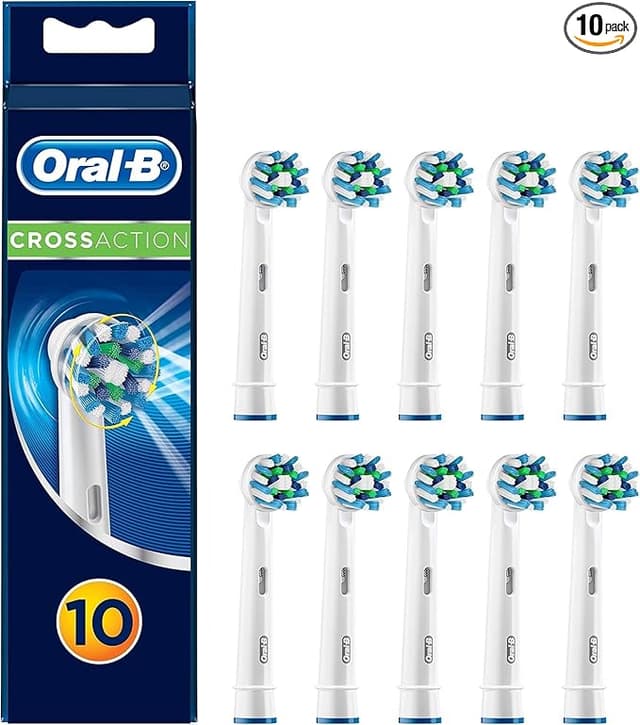
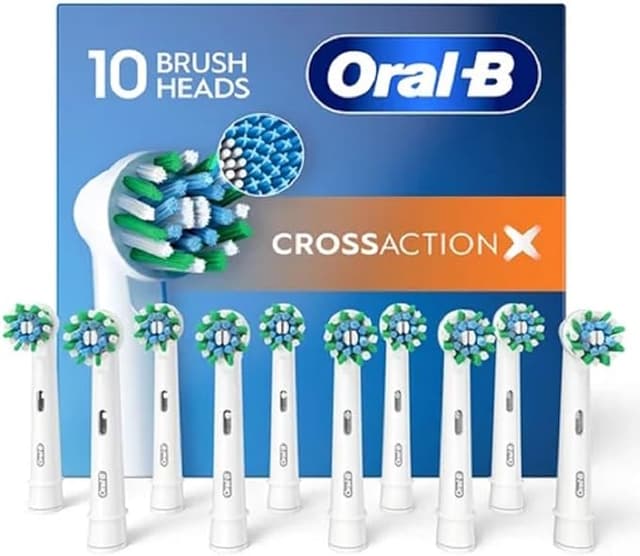
If you've been experiencing issues with your Oral-B CrossAction toothbrush, you're not alone. Many users face symptoms like a persistent red light that won't turn off, an increase in the noise level during operation, or even a decrease in performance. These can be frustrating signs that your toothbrush is not operating at its best. You may notice that it fails to clean your teeth effectively, leading to concerns about oral hygiene. The good news is that these issues often stem from a simple problem: the need for a replacement part, particularly the brush head or filter, depending on your model.
In this article, we'll guide you through troubleshooting these common symptoms and provide a solution that enhances your toothbrush's efficiency while maintaining optimal air quality.
Troubleshooting Guide
When faced with a red light that won't turn off, follow these steps to reset the filter indicator manually:
1. **Remove the Brush Head:** Start by taking off the brush head, ensuring that you have complete access to the connection point.
2. **Clean the Connection Point:** Use a damp cloth to wipe away any debris or residue that may be affecting the connection.
3. **Reset the Indicator:** Press and hold the power button for 10 seconds. This should reset the indicator light.
4. **Reattach the Brush Head:** After resetting, reattach the brush head securely until you hear a click.
5. **Test the Device:** Turn on the toothbrush and check if the red light is gone and if the noise level has returned to normal.
If the red light persists, it may indicate that the brush head needs to be replaced. A worn-out brush head can not only affect the cleaning efficiency but may also lead to other issues like increased noise.
Cost Analysis (The "Money" Section)
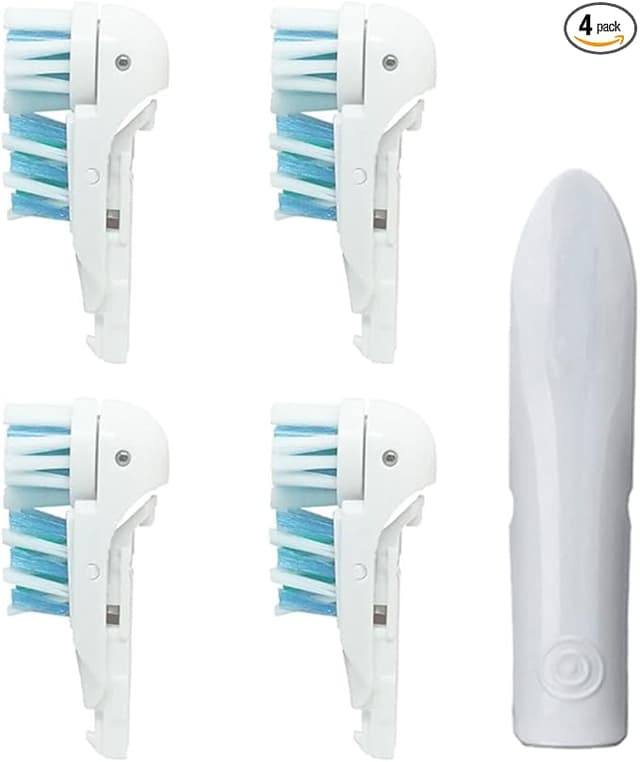
When considering a replacement for your Oral-B CrossAction toothbrush, it’s essential to weigh the costs of original brand parts against compatible alternatives. Here's a simplified comparison of the 1-year costs:
| Part |
Original Brand Cost (1 Year) |
Compatible Brand Cost (1 Year) |
Annual Savings |
| Brush Heads (4-pack) |
$40 |
$20 |
$20 |
| Filter Replacement |
$25 |
$12 |
$13 |
| Total |
$65 |
$32 |
$33 |
As illustrated, switching to compatible parts can lead to significant savings over a year. Not only do you enhance your oral hygiene routine, but you also keep more money in your pocket.
Installation Pro-Tips
Once you've acquired the replacement parts, installation is straightforward, but here are some pro-tips to ensure optimal performance:
- **Flush for 3 Minutes:** After installing a new filter, flush it with water for three minutes to ensure any manufacturing residues are removed.
- **Secure Connection:** When attaching the brush head, push down firmly until you hear a definitive snap. This indicates that it’s locked in place and will perform effectively.
- **Check for Alignment:** Ensure that the brush head is aligned correctly with the motor. Misalignment can lead to vibrations and noise.
These simple tips can help you maximize the efficiency of your Oral-B CrossAction toothbrush.
FAQ Section
Will using a compatible replacement void my warranty?
Using compatible parts does not typically void your warranty, but it's always best to check the terms provided by the manufacturer. Generally, as long as the parts are of high quality and meet the necessary specifications, you should remain covered.
How long does a replacement part last?
The longevity of a replacement brush head varies based on usage, but on average, a quality brush head should last you about three months with regular use. Filters may last longer, depending on the air quality in your environment.
Can I use any brush head with my Oral-B toothbrush?
Not all brush heads are compatible with every Oral-B model. It's crucial to verify that the replacement head is specifically designed for your model to ensure optimal performance and safety.
In conclusion, maintaining your Oral-B CrossAction toothbrush with the right replacement parts not only ensures efficient performance but also contributes to a healthier lifestyle. By understanding the troubleshooting steps, cost-saving options, and installation tips, you can get the most out of your investment in oral care.