Troubleshooting & Analysis
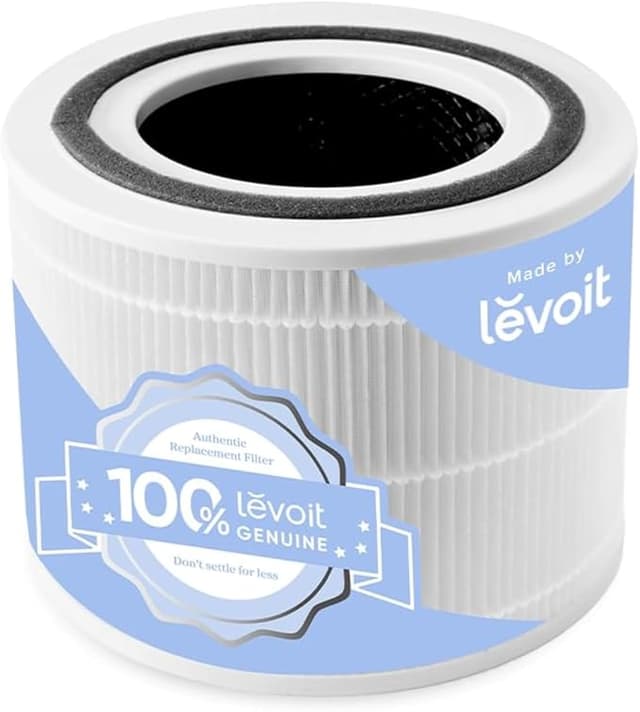
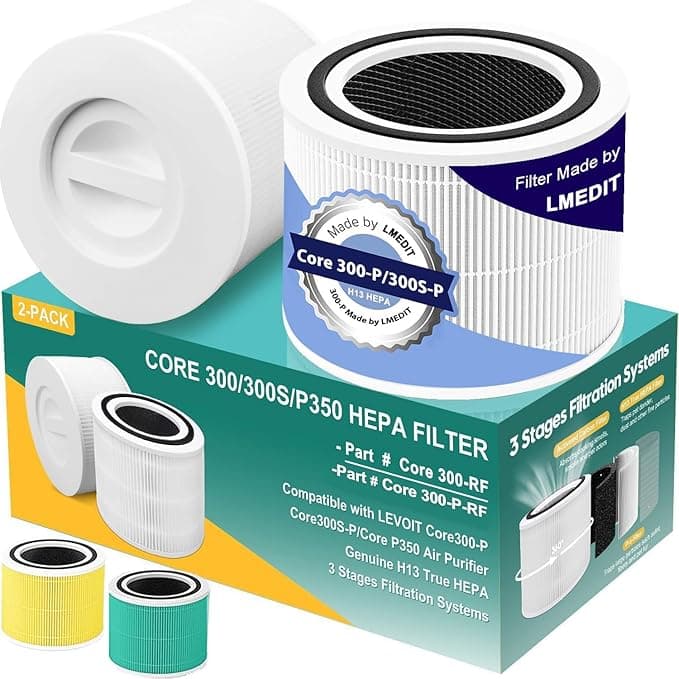
I had both boxes sitting on my kitchen counter, side by side, and I just stood there for a second. The official Levoit filter — the one with the little Core 300 sticker on the front — was $39.99. The compatible H13 pack next to it was about half that, two filters for not much more than the price of one OEM. My thumb hovered over the phone. I'd already paid for the purifier; the last thing I wanted was to wreck a $100 machine to save twenty bucks. But I'd also been replacing this thing every six or seven months for two years, and the OEM math had started to bug me.
I bought the compatible one. Here's what actually happened.
The price gap is the whole reason you're here
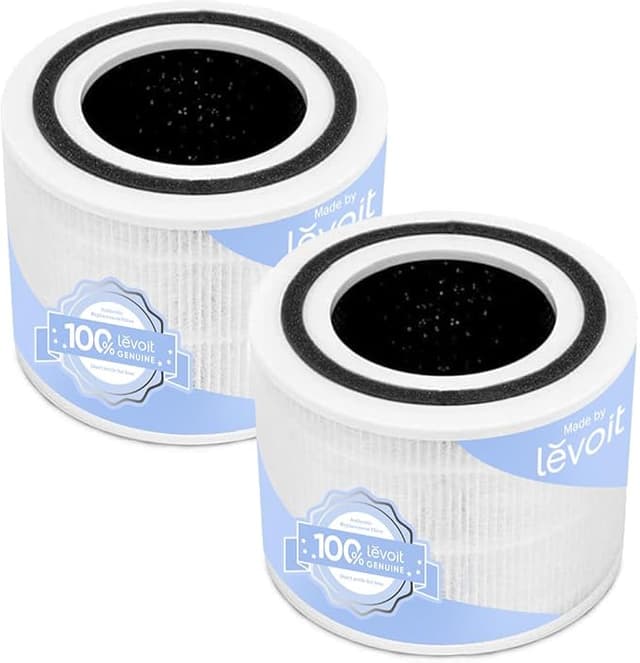
Let me put real numbers on it, because that's what tipped me. Levoit recommends swapping the Core 300 filter roughly every 6 to 8 months. The OEM replacement runs around $35-40 a pop, so call it two filters a year if you run it hard like I do — $70-80 annually, just to keep one bedroom unit breathing. The compatible H13 I bought worked out to under $15 per filter. Over a year that's the difference between a tank of gas and a nice dinner out. Same machine, same job, same swap interval. That's not a small gap you shrug at — it adds up fast if you've got the purifier running every night.
Does it actually fit, or do you fight it
This was my real fear. The Core 300 filter is a cylinder that drops into the base, and the install couldn't be simpler — you pop the bottom cover off, lift the old one straight out, set the new one in, twist the cover back, and hold the reset button until the filter light quits blinking. Thirty seconds, no tools.
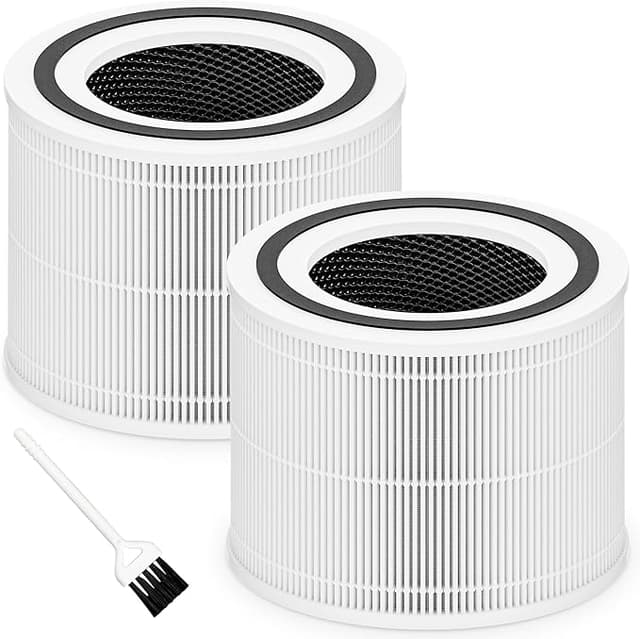
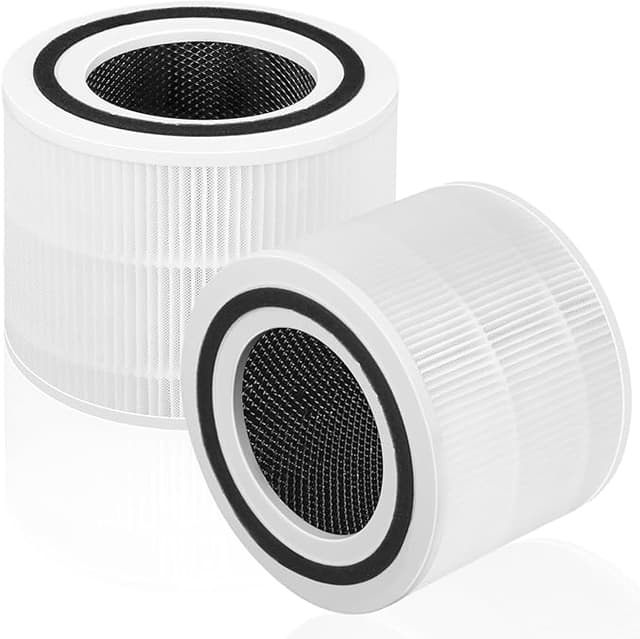
The compatible filter dropped in and seated flush. The cover clicked closed on the first try, same satisfying snap as the original. I'll be honest — I half-expected to be wiggling it or finding a millimeter of gap somewhere. There wasn't one. If anything the pleated media looked a touch denser than the Levoit original I pulled out. The one nitpick: the cardboard end caps felt a hair stiffer than OEM, so on the very first seat I had to give it a small extra push to get it fully home. After that, nothing.
How it runs once it's in
I've had it in my bedroom unit for going on four months now. Day-to-day, I genuinely can't tell it apart from the factory filter. The Core 300's auto mode reads the air with that little ring light — blue when it's clean, orange-red when something's off — and it responds exactly like it used to. I cook a lot, and when I sear something and the kitchen smoke drifts down the hall, the unit still ramps up within a minute and the light goes back to blue not long after. The H13 rating means it's pulling the fine stuff, the 0.3-micron range, and during spring pollen my usual morning scratchy throat just... wasn't there.
Where's it a touch behind? If I'm splitting hairs, the OEM filter had a slightly faster knock-down on heavy smoke the first week or two. Marginal. By month two I stopped noticing any difference at all, and I was looking for one.
The real downside, because there's always one
For the first two or three days there was a faint plastic-and-new-cardboard smell when the fan kicked to high. Not chemical-harsh, more like a new appliance off-gassing. I run the unit at night a foot from my head, so I noticed it. I ended up running it on high with the bedroom window cracked for an afternoon before bed, and by day three it was gone and never came back. If you're sensitive to smells, do that break-in run before you sleep next to it. The other thing: the packaging is cheap. Thin plastic sleeve, no fancy box. Doesn't affect the filter one bit, but if you want something that feels premium unwrapping it, this isn't that.
Why I don't let it run long past due
One thing I won't cut corners on — the calendar. A loaded HEPA filter isn't a neutral thing. Once the media is packed with months of dust, pet dander, and trapped moisture, it stops being a filter and starts being a reservoir. Mold can take hold in a saturated filter and then the unit is just blowing that back into the room. That's the actual reason the replacement interval matters, and it's the same whether you run OEM or compatible. So the cheaper filter genuinely helps here — when a swap costs $15 instead of $40, you stop "stretching" a dead filter to save money. I change mine on time now, every time.
Who should skip this — and what I do
If your Core 300 is under warranty and you're the type who worries a third-party part could give Levoit an excuse to deny a claim, buy the OEM and sleep easy. That's a real reason, not a knock on the filter. Same if you simply want zero variables — official part, official everything.
For everyone else: I ran this compatible H13 in the unit next to my bed for four months, it fit on the first try, it cleared smoke and pollen like the factory filter, and it cost me roughly half. The faint break-in smell faded in three days and the packaging is forgettable — those are the honest costs. For that price gap, doing the exact same job, I'd grab it again. And I already have — there's a second one in my closet waiting for the next swap.