Troubleshooting & Analysis
The click is the tell
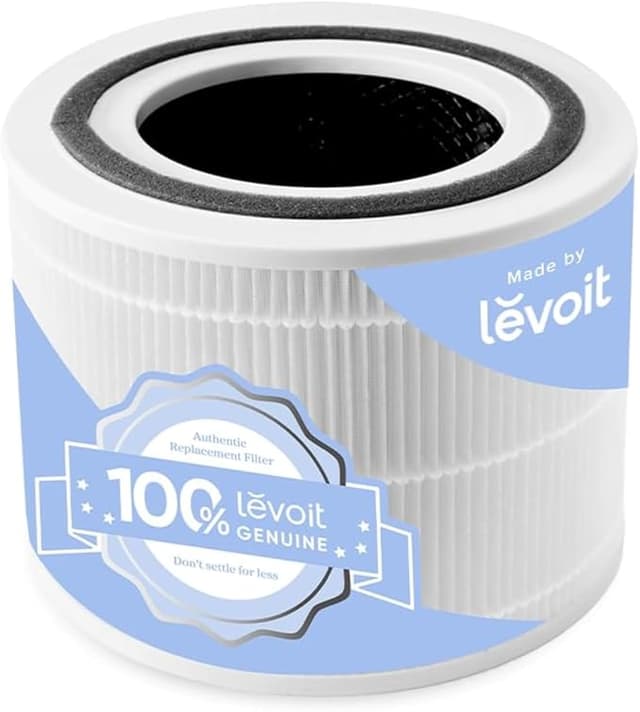
You know that little resistance right before a filter seats? On my Levoit CORE 300 the OEM filter does a soft thunk when it drops into the basket — a clean, confident click. The first compatible H13 I dropped in clicked too. Slightly different note, a hair more plastic-y, but it seated flush and the twist-lock caught on the first try. I'd half-expected to be wrestling it, sanding down a lip, something. Nope. Plugged the unit back in, held the reset button till the light went out, and that was it.
I'm writing this because I spent two years just auto-buying the genuine Levoit filter every few months without thinking. Then I actually did the math, and it annoyed me enough to test the cheap stuff myself.
The number that made me switch
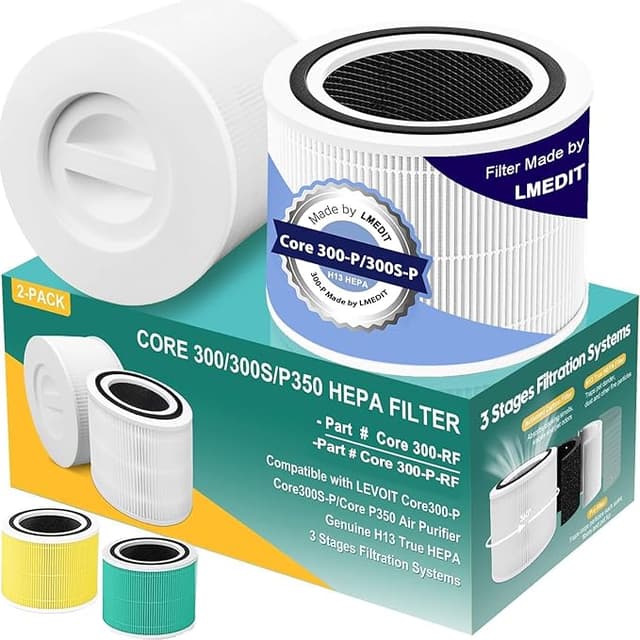
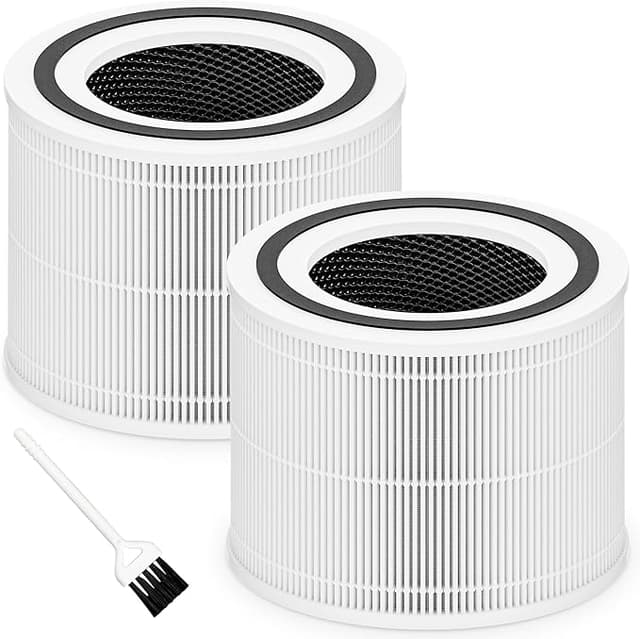
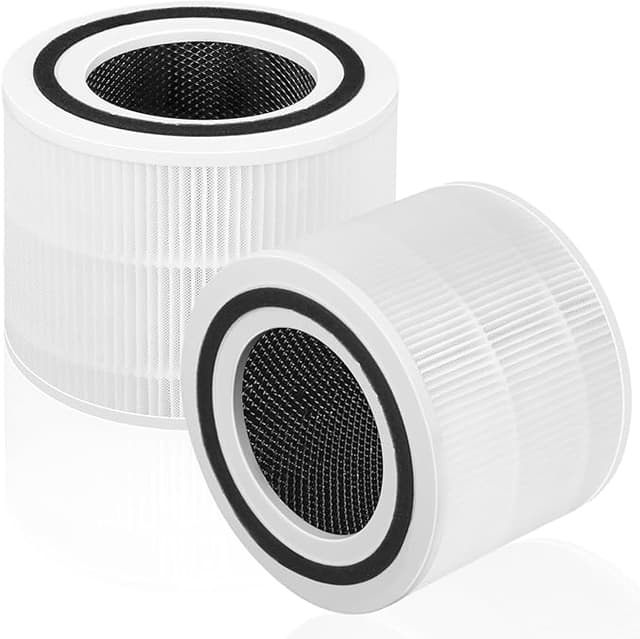
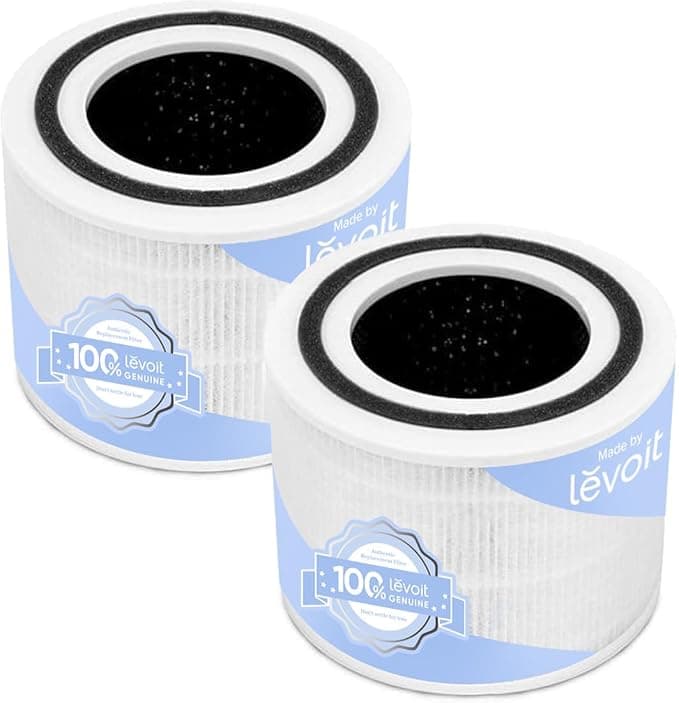
The CORE 300 runs on a single combo filter — pre-filter, True HEPA, activated carbon, all bonded into one cylinder. Levoit's own H13 replacement floats around the $35 mark, and they want you swapping it roughly every six to eight months. The compatible H13 I've been running came in right around half that. Call it a $17 gap per filter.
Doesn't sound like much until you stretch it. I've got two of these — one in the bedroom, one in my office. That's four filters a year across both units. At OEM pricing I was spending around $140 a year on what is, functionally, a folded sheet of HEPA media and some carbon pellets. The compatible route cut that closer to $70. Same job. That's a tank of gas and a dinner I'd rather not hand to Levoit every year for the privilege of the brand name on the cardboard.
Does it actually fit, or does it just sort of fit?
This is the part people ask me about, because a filter that's 2mm off is worse than useless on an air purifier — air takes the path of least resistance and just sneaks around the gap. So I looked.
The install itself is nothing. Unplug it, twist the bottom cover off, pull the spent filter straight out, drop the new one in, snap the cover back, hold the reset. Two minutes, no tools. What I cared about was the seal. The compatible filter's outer frame is a touch — and I mean a touch — looser in diameter than genuine Levoit. When the bottom cap locks down it pulls everything snug, so in practice there's no bypass gap. But if you set the unit on its side with the cover off, you can feel the compatible one has a sliver more wiggle than OEM's vacuum-tight fit. In the bedroom, running upright 24/7, it's never mattered. I just wouldn't toss the unit in a bag for travel with this filter loose inside.
How it actually performs
Honest take after running one of these for about five months straight in a room I sleep in every night: I can't tell the difference in the air. The CORE 300's auto mode reads a particle sensor and spins the fan up when things get dusty — cooking, an open window on a pollen day, the cat doing cat things. With the compatible H13 installed, it still ramps up and settles back down on the same cues, same timing, as it did on genuine media. The bedroom hits that clean, slightly-nothing smell by morning that tells you it's been working.
Where it's a hair behind: the carbon layer. OEM's carbon knocks down kitchen and odor smells a beat faster and a beat more thoroughly. The compatible's activated carbon is real and it works, but if you're buying this specifically to kill heavy cooking odor or smoke, the genuine filter has a small, real edge there. For dust, dander, pollen — the stuff HEPA actually exists for — I genuinely cannot separate them.
The downside nobody puts on the box
Two, actually. First: the break-in smell. For the first two or three days there's a faint new-plastic-and-glue smell off the fresh filter, strongest in the first few hours. It fades completely and I've never had one that didn't, but the first night you'll notice it. Run the unit on high for an hour before bed and it's mostly gone by the time you're under the covers.
Second: the packaging is cheap. Thin plastic sleeve, a bit of crush in shipping on one of mine — the media was fine, the frame was fine, but it doesn't arrive feeling premium. If a slightly dented box ruins your day, that's a real thing to know going in.
Why I don't let mine run long
One thing I won't soft-pedal: a dead filter in a CORE 300 isn't neutral, it's actively bad. Once that HEPA media saturates, it stops grabbing and starts being a place where trapped junk — including mold spores in a humid room — just sits in the airstream. You're paying electricity to push room air across a dirty rag. So whatever filter you run, OEM or this, swap it on schedule. The CORE 300's filter light is conservative but it's a decent nudge; I change mine when it lights or at six months, whichever lands first. The lower cost is honestly part of why I change them on time now instead of stretching a tired OEM filter another month to dodge the price.
So who should buy what
If your CORE 300 is fighting serious, persistent odor — you cook heavy every night, someone smokes, there's a real smell problem — buy the genuine Levoit. That carbon edge is worth the extra to you specifically.
For everyone else, which is most of us running these for dust, allergens, pet dander, and general "I want the bedroom air to feel clean" — the compatible H13 has done the same job in my house for half the price, month after month, and I've now bought it more times than I can count. The frame's a hair looser, the box is cheaper, the first night smells faintly of plastic. And I'd still buy it again tomorrow. I basically already have.