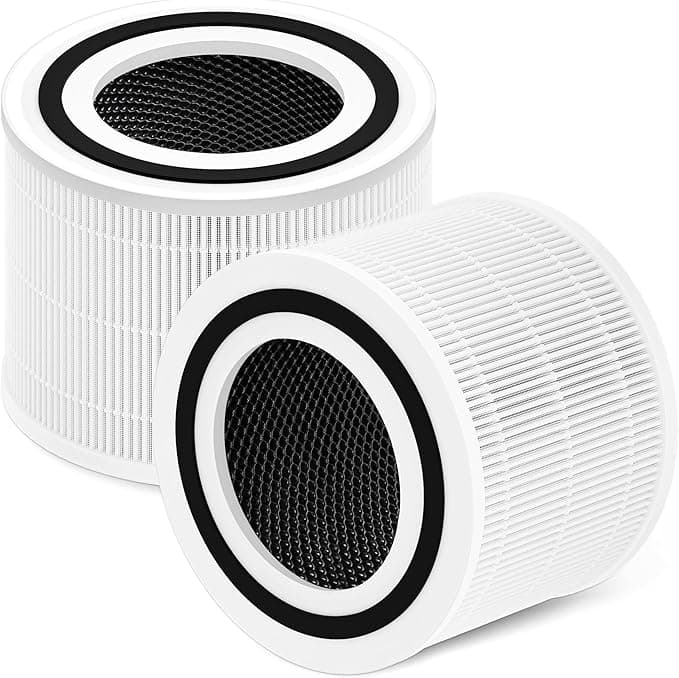
Troubleshooting & Analysis
I'll be straight with you: I didn't believe a $20 filter could be fine either. I'd been buying the genuine Levoit replacement for my CORE 300 for almost two years, paying whatever they charged, because some quiet part of my brain decided that a HEPA filter was a thing you didn't gamble on. Lungs. Bedroom air. My kid sleeps down the hall. So when I saw the compatible "Filter R" listed at roughly half the OEM price, my first reaction wasn't excitement — it was suspicion. Half price usually means half something.
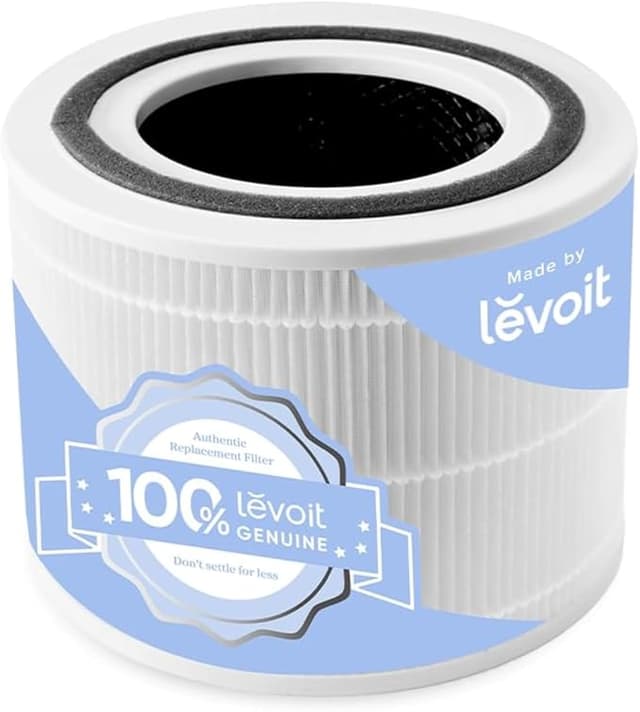
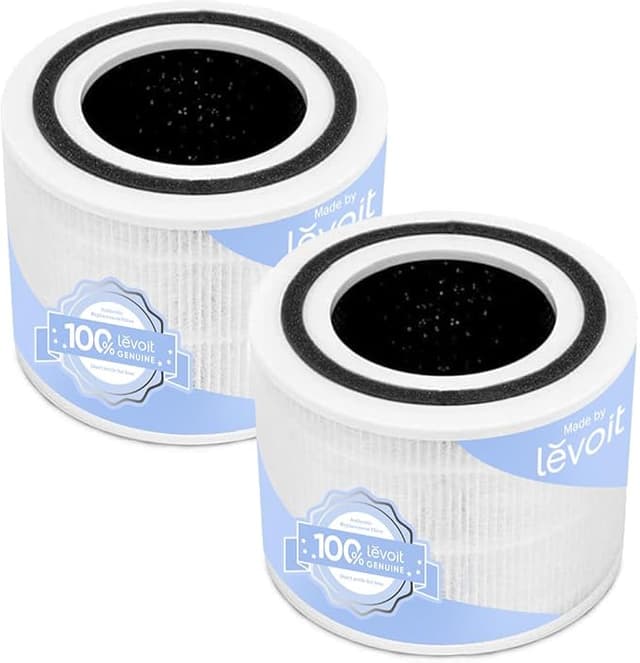
So I did the annoying thing and bought one to test it against the name-brand filter I'd just pulled out. Same machine, back-to-back. Here's what actually happened.
The price gap is the whole reason you're here
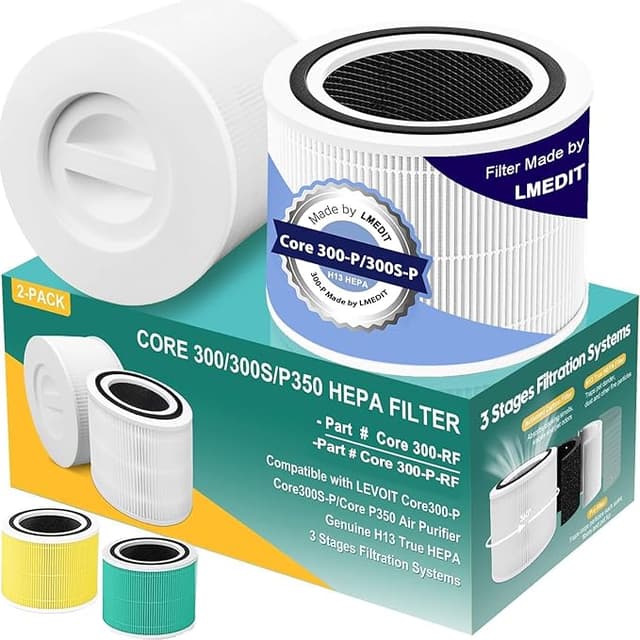
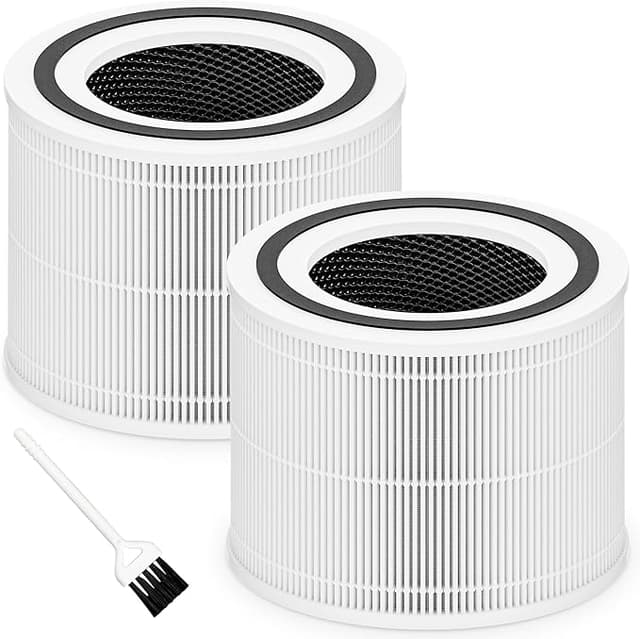
Let's not pretend otherwise. The CORE 300 is a great little unit, but Levoit makes its money the way printer companies make theirs — on the refills. The genuine filter runs you a chunk of change every six months or so, and over the life of the machine that adds up to more than you paid for the purifier itself. The compatible Filter R is True HEPA H13, same physical size, and it lands at about half the cost. Run the math over a couple of years and you're looking at real money — easily enough for a nice dinner out, just from not overpaying for a pleated cylinder of fabric.
That gap is exactly why people get nervous, though. Cheap feels like a catch. So I went looking for the catch.
Does it actually fit?
This was my first real test, and honestly where most knockoffs fall apart. The CORE 300 filter is a press-fit cylinder — you unplug the unit, twist off the bottom cover, pull the old filter straight out by the tabs, drop the new one in, and snap the cover back. Four steps, no tools. If the diameter's off by even a couple millimeters, you feel it immediately.
The Filter R seated correctly. The pull-tabs lined up, the cover twisted shut and clicked the way it's supposed to, and there was no rattle when I turned the unit back on. I'll give you one honest nitpick: the foam gasket around the rim felt a hair less plush than the OEM one, and on the very first insert I had to give it a gentle press to fully seat. Once it was in, it was in — no gaps, no air leaking around the edge. But that first-seat fiddle is real, and if you're the type who forces things, go slow.
How it actually performs
I ran the compatible filter in my bedroom unit for about four months — same room, same nightly runtime, auto mode on. The thing I care about most on the CORE 300 is the air quality sensor and how fast it knocks the room back down to blue after, say, I sear something on the stove or the dog does dog things. With the Filter R, the recovery time was basically indistinguishable from the genuine filter. Spike, fan ramps up, back to clean in a few minutes. The carbon layer also did its job on smells — cooking odor, that stale closed-room smell in the morning. Gone by breakfast.
Where's it a touch behind? If I'm being picky, the airflow felt a whisper stronger out of the box with the OEM filter — maybe slightly denser pleating, maybe just my imagination. By month two there was no difference I could point to. The H13 rating held up; this is a genuine HEPA media, not a glorified dust screen, and I could see the gray loading on the pleats when I pulled it for inspection. It was catching what it's supposed to catch.
The downside I promised you
Here it is: for the first two or three days, there's a faint plastic-and-new-fabric smell when the fan runs on high. Not chemical-harsh, just that "freshly unwrapped" off-gas. I aired the filter out on the windowsill for a few hours before installing — that helped — and it was completely gone by day three. The packaging is also cheaper than Levoit's; mine showed up in a thin box with minimal padding. Mine arrived fine, but it's not the reassuring retail presentation you get from the brand. If those things bug you, factor them in.
Why none of this is something to shrug at
Quick reality check, because it's the part people skip: a filter you leave in too long stops being protection and starts being the problem. A saturated HEPA filter is a damp, dust-packed surface, and in a humid room that's exactly where mold and bacteria set up shop — at which point your purifier is quietly blowing that back into the room every time it runs. The CORE 300's filter light is there for a reason. The fact that the compatible filter costs half as much actually helps here, because the real risk isn't the brand on the box — it's the human temptation to stretch an expensive filter three extra months to dodge the price. Cheaper replacements mean you swap on schedule instead of nursing a dead one.
So who should buy what?
If you're still under Levoit's warranty and you're the cautious type who doesn't want to give them any excuse to wave you off, stick with the genuine filter for now — it's not a bad product, it's just an overpriced one. Same goes if you're hypersensitive to that first-few-days break-in smell.
For everyone else? I came in a skeptic and the Filter R earned it. It fit, it cleaned the air as well as the one costing twice as much, and the only real knocks against it — a slightly stiffer first seat and a brief break-in odor — were minor and temporary. For half the price, doing the same job in the same machine I run every single night, I bought it again when the next light came on. And I'll buy it the time after that.