Troubleshooting & Analysis
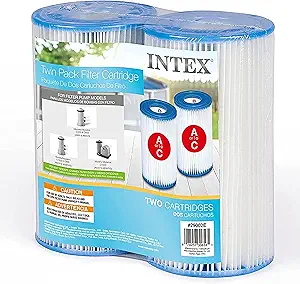
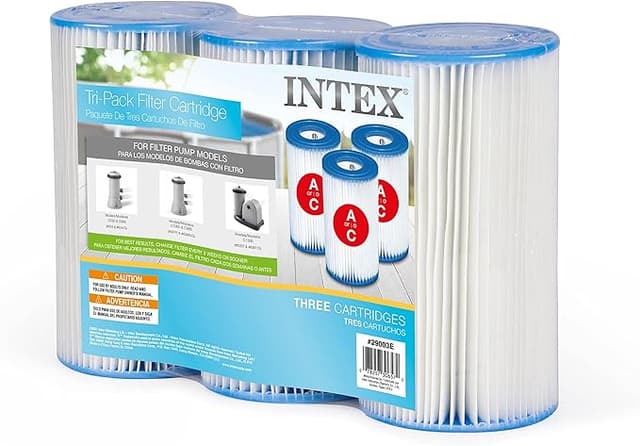
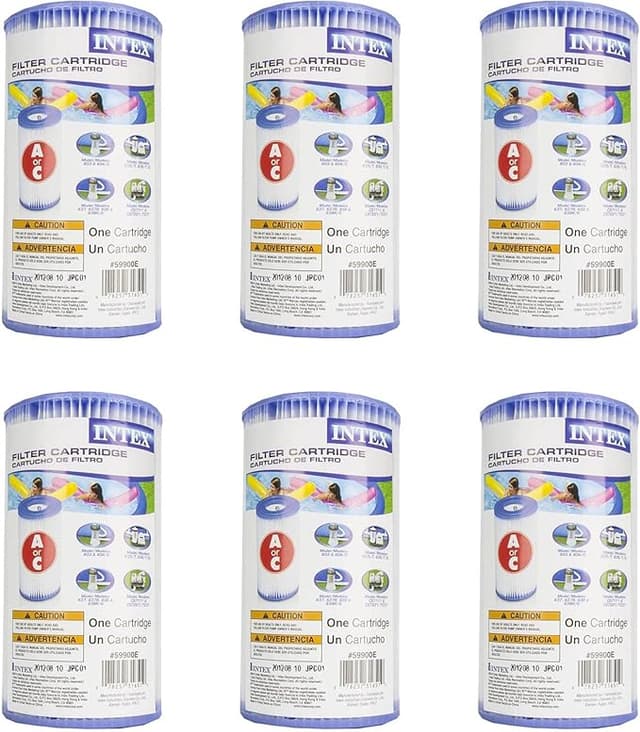
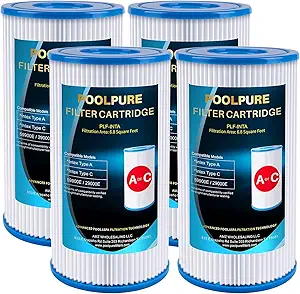
There I was, phone in one hand, the lid of my Intex pump in the other, with two browser tabs open. One was the Intex-branded Type A cartridge three-pack. The other was a no-name compatible six-pack for less than what the official three cost. Same dimensions, same paper-pleat look in the photos, same "Type A" stamped on the listing. And I just stood there at the side of the pool doing the dumb math everybody does — pay roughly $24 for three Intex ones, or pay about $20 and get six of the generic. Double the cartridges for less money. It felt like a trick.
So I bought the cheap ones. I've now run them through a full summer in an Intex Easy Set, and a second season in a friend's larger frame pool, and I can tell you exactly where the trade lands.
The price gap is real, and it adds up faster than you think
Here's the thing nobody mentions when they tell you "just buy the brand." A Type A cartridge is not a once-a-year part. In hot weather, swimming most days, I'm swapping mine every two weeks. Some people stretch it to a month if they rinse, but two weeks is honest for actual heavy use. Do that math across June, July, and August and you're burning through six to eight cartridges a season — sometimes more.
At Intex pricing that's roughly $48 to $64 a summer just in filters. With the compatible six-packs I've been buying, the same season runs me about $20, maybe $40 if I have a brutal algae-fighting month and go through extras. That's not a rounding error. That's a case of drinks, a couple tanks of gas, the difference between caring about cartridge cost and not thinking about it at all. The savings only matters because you replace these so often — and that's precisely why I stopped paying brand prices for a part I throw in the trash twice a month.
Fit and install: it seats, with a tiny caveat
The swap itself is nothing. Kill the pump and pull the plug first — water and electricity, don't get cute. Twist off the housing cap on top of the pump, lift the old cartridge straight out, and drop the new one down over the center post. On most Intex units it just sits there in the basket and the cap threads back down to hold it. Two minutes, no tools, soaking wet hands and all.
The caveat: the compatible cartridges sit a hair looser in the housing than the genuine Intex ones did. Not loose enough to bypass — once the cap is screwed down it's pinned in place and water goes through the pleats, not around them — but if you pull the cap off and the cartridge is cocked slightly to one side, straighten it before you reassemble. The genuine ones had a snugger collar at the top. These don't, quite. After the first couple swaps you stop noticing because you just seat it square out of habit.
How it actually performs in the water
Filtration-wise, I genuinely cannot tell the difference in clarity. Run a fresh compatible cartridge with the pump cycling its normal hours and the water is just as clear as it was on the Intex paper. The pleats trap the same fine stuff — sunscreen film, dead bugs, that fine dust that blows in off the yard. When I pull a two-week-old cartridge it's just as gray and gunked as the brand ones got, which tells me it's loading up exactly like it should.
Where it's a touch behind: the compatible cartridges seem to clog slightly faster toward the end of their life. The paper feels a hair thinner, and around day twelve or thirteen I notice the flow softening a little sooner than I remember the Intex ones doing. It's not dramatic. It mostly means I'm a little more disciplined about the two-week swap instead of pushing to three. Honestly, given how cheap they are, swapping on schedule is no hardship — and you should be swapping on schedule anyway.
The downsides, said plainly
Let me give you the real ones, not the polite ones.
- Cheap packaging. They show up in a thin plastic sleeve, sometimes a little crushed in shipping so a pleat or two is dented. The dented pleat fluffs back out once it's wet and I've never had one fail because of it, but it looks rough out of the bag. If you want it to feel premium, this isn't that.
- Slight cardboard smell out of the wrapper. Brand-new dry ones have a faint papery, glue-ish smell for the first day. It's gone after the first run cycle once water's moving through it — I've never smelled anything off in the actual pool — but if you're sensitive to that, give it a rinse before it goes in.
- That looser top collar. Worth repeating because it's the one real fit difference. Seat it square. That's the whole fix.
And here's the part that's easy to skip: none of this matters if you don't actually change the thing. A saturated, clogged cartridge isn't just dirty — it chokes the pump, your circulation drops, and a pool that isn't turning over is a pool growing algae and bacteria. That green, hazy water people fight all summer usually started as a tired filter nobody swapped. A cartridge this cheap removes the only excuse you had for stretching it. Run it dirty long enough and you risk cooking the pump motor, which costs far more than any filter, brand or not.
Who should buy the brand instead
If you swap a cartridge maybe twice a season — a small pool, light use, you rinse and stretch — then the difference is a few dollars a year, and the marginally snugger fit and tidier packaging of genuine Intex might be worth it to you for the lack of fuss. Buy the brand, sleep fine.
But that's not most of us. Most of us are running the pump daily through a hot summer, blowing through cartridges every two weeks, and staring at a filter that does the identical job for less than half the per-cartridge cost. I've now done two full seasons on the compatible Type A. Clear water, no pump trouble, a little cardboard smell on day one and a collar I seat by hand. For the money I've saved, I'd buy them again — and I already have, twice.