Troubleshooting & Analysis
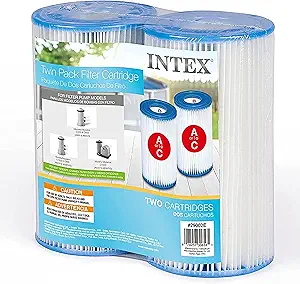
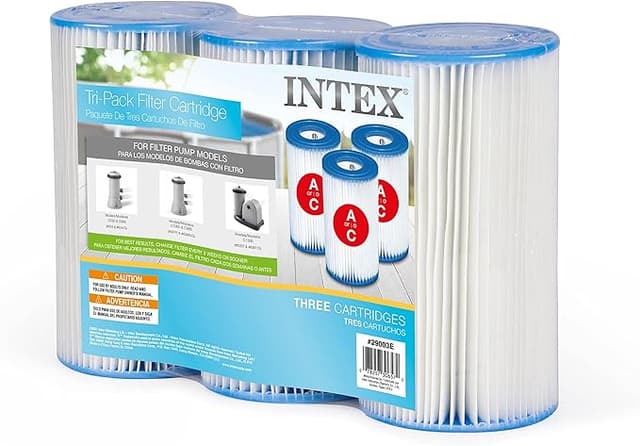
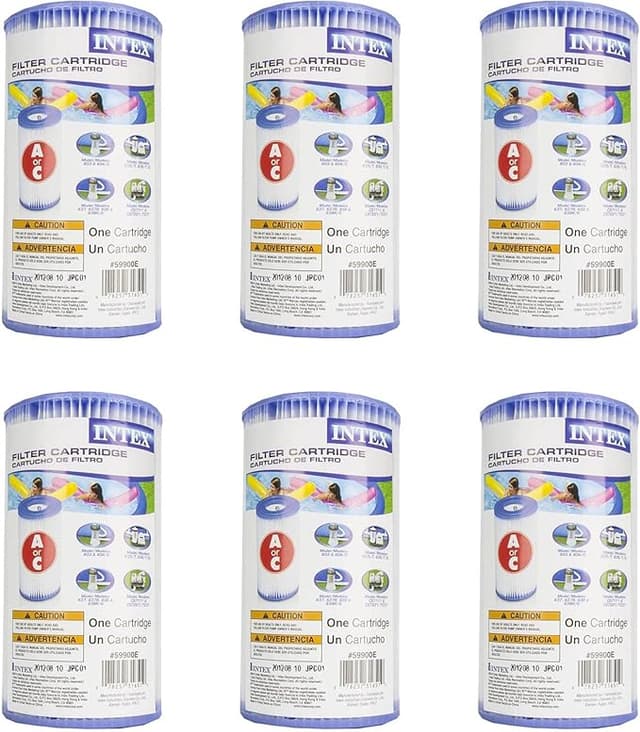
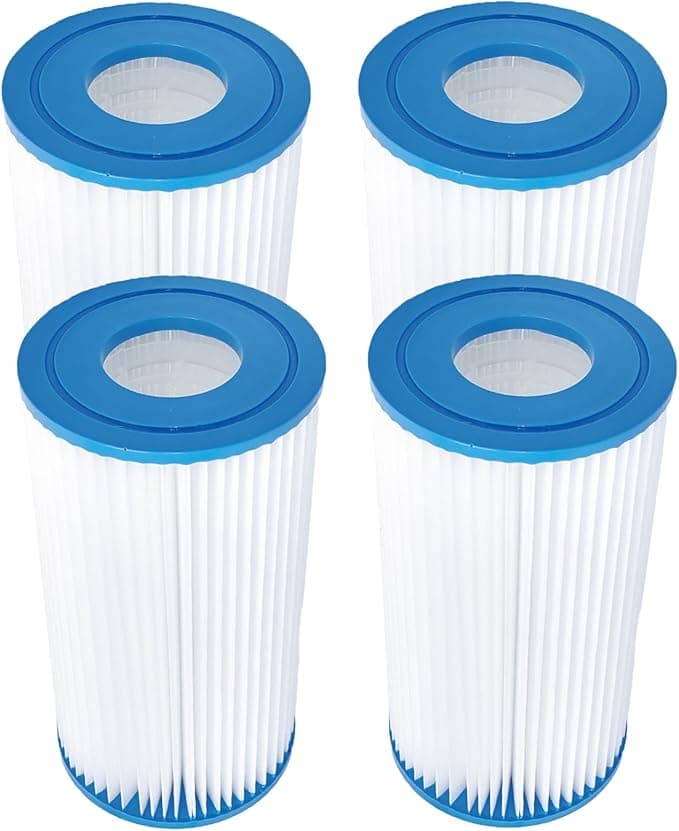
Forty bucks. That's what the rack at the pool store wanted for a six-pack of Intex-branded Type A cartridges, and I stood there holding it like it was going to bite me. Same cardboard tube, same pleated paper, same little plastic end caps I'd been swapping into my 1,500-gallon above-ground all summer. Two aisles over — well, on my phone, because nobody stocks the cheap stuff in person — a generic six-pack of the exact same Type A cartridge was $24. Sometimes less. I did the math standing in the parking lot: over a season I burn through roughly a cartridge every two weeks once the pollen and sunscreen really get going. That's a 16-dollar gap per pack I'd been paying for a logo printed on the wrapper.
So I bought the cheap ones. Not once — I've now run generic Type A cartridges through two full pool seasons, and I want to walk you through exactly how it went, the annoying parts included, because "it's fine, buy it" with no caveats is how you end up not trusting the person saying it.
The actual price gap, and why it's this big
Type A is the most common Intex cartridge there is. It fits the small-to-mid Krystal Clear pumps — the 600, 1,000, 1,500 GPH units bundled with most of their Easy Set and metal-frame pools. Because it's so common, every filter maker on earth produces a clone. That's good and bad. Good: the competition drags the price down to that $24-ish range for a six-pack, sometimes $20 on a sale. Bad: quality across the no-name brands is genuinely uneven, and you can absolutely buy a bad batch. I'll get to how to dodge that.
Run the season math out and the gap stops being abstract. If you're changing a cartridge roughly every two weeks across a four-month swim season, that's about eight cartridges. Branded, you're spending somewhere north of $50 for that. Generic, you're closer to $25 — maybe $30 if you pay up for a better-rated brand. Call it a $25 difference a year, every year, for a part you flat-out cannot reuse forever. Over three summers that's a pool vacuum or most of a robot cleaner. It adds up the quiet way small recurring costs always do.
Fit and install — does it actually seat?
This is the part people are nervous about, and honestly it's the least dramatic part. Type A is a slip-fit cartridge. No thread, no gasket to seat, no torque spec. You kill the pump first — and I mean fully, switch off, because these little motors will keep pulling if you give them the chance — then you pop the top of the filter housing, lift the old cartridge straight out, and drop the new one down over the center post. It bottoms out, you close the lid, you're done. Ninety seconds.
Where the generics differ: the cardboard core on a couple of the cheaper brands I tried was a hair thinner than the Intex original, so the cartridge sat a touch loose on the post until the housing lid pressed it down. It still sealed. Water went through the paper and not around it — I checked by watching the return jet, which ran clean. But if you're the kind of person who wants that snug "made for this" feel, the brand-name one does seat a little more confidently. Small thing. Didn't change the water.
How it actually performs in the water
Filtration-wise I genuinely can't tell the difference in the pool. My water clarity on generics has been the same as on Intex cartridges — clear to the bottom, no haze, no green creeping in as long as I keep the chemistry where it should be. The pleated paper is the same micron-ish range; it's catching the same sunscreen film, dead bugs, and fine grit. A cartridge filter was never going to be a sand filter, generic or not — but the generic does the Type A job at the Type A level. That's all I needed it to do.
Where I'll be straight with you: the cheaper cartridges seem to clog a touch faster toward the end of their life. By the time a branded one is at, say, two weeks, a couple of the generics felt like they were at twelve, thirteen days of equivalent gunk. We're talking a day or two of usable life, not half. I hose mine out at the midpoint — spray from the inside out, fan the pleats open with your thumb — and that buys back most of the gap. But if you never rinse and just run a cartridge until it dies, the generic's shorter tail will cost you a couple cartridges more per season, which nibbles at that savings.
The real downsides — all of them
The packaging is cheap. The cartridges show up loose in a thin plastic sleeve, sometimes with a crushed edge from shipping, and once I got a six-pack where one cartridge had a faintly squished end cap. It still worked — the cap reshaped fine once it was wet and seated — but it doesn't inspire confidence when you open the box. The Intex packaging is nicer. You're paying for some of that, too.
Batch consistency is the bigger one. With the brand name, every cartridge is the same. With generics, I've had one brand where the paper felt a notch flimsier than the last order, even under the identical listing. The fix is boring but it works: buy a brand with a long review history and a high count, not the cheapest brand-new listing with twelve reviews. Read the one-star reviews specifically for the words "didn't fit" or "fell apart" — that tells you it's a bad clone. If the complaints are just "box was dented," you're fine.
And the plastic-and-paper smell out of the bag is real for the first day. Faint, gone after the cartridge has been wet and running for an afternoon, and it never made it into the water that I could tell — but it's there when you first crack the sleeve. Worth knowing so it doesn't spook you into thinking you got a defective one.
Why none of this is optional
Here's the part that turns "eh, I'll stretch this cartridge another week" into a bad idea. A pool cartridge is the only thing standing between you and water that's quietly going wrong. Once the paper saturates, flow drops, the pump strains against a clogged cartridge it can't push through, and the water stops actually turning over. That's when you get the cloudiness, then the slick walls, then the algae — and at that point you're not buying a $4 cartridge, you're dumping in shock and scrubbing the liner on a Saturday. A starved pump also runs hot and hates you for it. So the cartridge isn't where you save money by stalling. It's where you save money by buying the cheap one and changing it on time.
Who should buy the branded one — and who shouldn't
If you've got a marginal old pump that's already wheezing and you want every ounce of flow it can give, the slightly snugger, slightly longer-lived branded cartridge is a defensible splurge. Same if you flat-out refuse to rinse a cartridge mid-cycle — the brand's longer tail partly pays you back.
For everyone else with a normal Intex setup who changes cartridges on schedule and gives them a hose-down at the halfway mark — which is most of us — the generic Type A is the easy call. Same slip-fit, same clear water, $24 instead of $40 a pack, and a couple of cosmetic annoyances I stopped noticing by my second order. I've bought it again. I'll buy it again this summer. Just pick a brand with a real review history, change them on time, and you'll never think about it again.