Troubleshooting & Analysis
Forty bucks for a pack of foam. That was my breaking point.
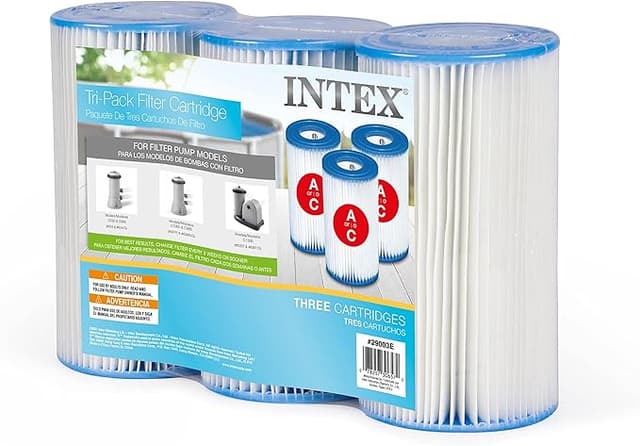
I was standing in the pool aisle holding the genuine Intex Type A cartridges — a 3-pack ringing up at $39 — and doing the math in my head. My above-ground Intex runs through a cartridge roughly every two weeks in July and August. Call it eight, nine cartridges a summer. At thirteen-something a pop for the name-brand stuff, that's pushing $120 a season just to keep the water from going green. For a pool that cost me a couple hundred bucks. Something about that ratio just felt wrong.
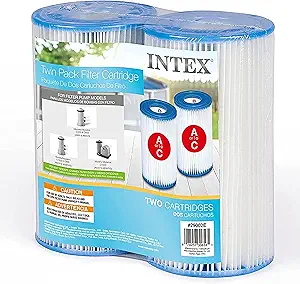
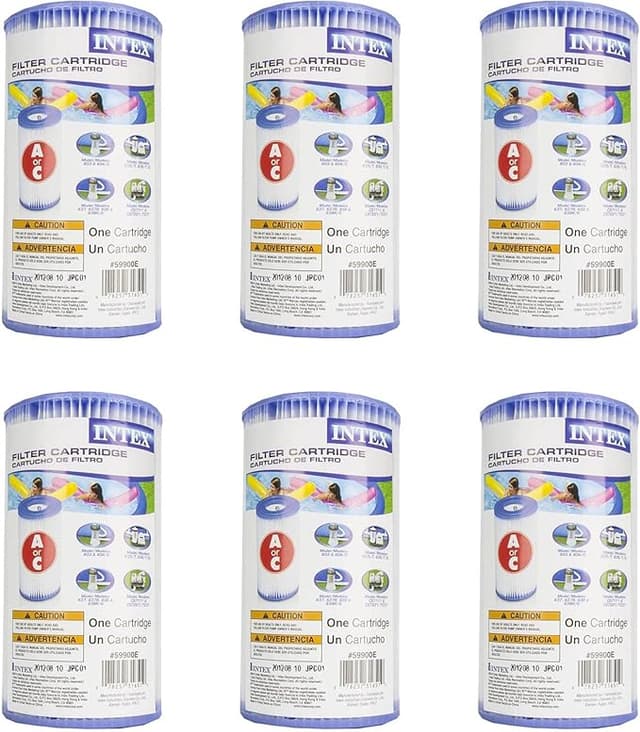
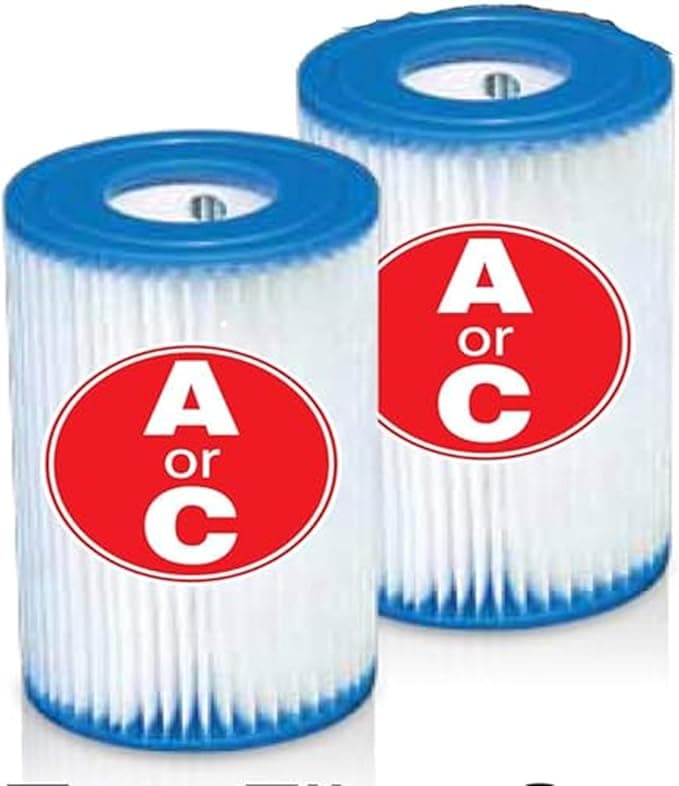
So the next order, I bought the compatible Type A instead. A 6-pack landed at $24 — that's $4 a cartridge against the OEM's ~$13. Same Type A shape, same pleated-foam-wrapped-around-a-plastic-core design, drops into the same housing. I'd been nervous about it for exactly the reason you probably are right now: is the cheap one going to let junk through and leave me swimming in soup? Here's what actually happened after running them across a full season.
The fit — better than I expected, with one nitpick
The Type A is a dead-simple part, which honestly works in the compatible's favor. There's not much to get wrong. You kill the pump first — always, before you so much as touch the housing, because pulling a cartridge under suction is how you get a faceful of dirty water — unscrew the cap on the filter housing, and the old one lifts straight out. I wipe down the inside of the housing while it's open, drop the new one in, screw the cap back on. Two minutes.
The new cartridge seated fine. The center hole slid onto the standpipe without fighting me, and the cap threaded down clean. My one real gripe: the foam pleats on the compatible aren't quite as crisp and uniform as the Intex ones. A couple of the folds were a hair tighter on one side than the other, like it got packed a little unevenly. Did it matter to the water? No. But if you're the type who notices that stuff, you'll notice it.
How it actually filtered
This is the part I cared about, and I watched it closely the first two weeks because I half-expected to get burned. Water clarity held. I could read the bottom drain plug through six feet of water same as always. After a heavy-use weekend — kids in and out, sunscreen, the usual grass-and-bug load — the compatible cartridge browned up and clogged at about the same rate as the OEM did. Maybe a day or two sooner, honestly. That's the real trade. The genuine Intex foam seems to hold a touch more gunk before flow drops off, so where an OEM might stretch to 15 days, I was rinsing or swapping the compatible closer to 12 or 13.
But think about what that costs me. Even if I burn through one extra cartridge a month, that's an extra $4 at the compatible price. The OEM "lasts longer" advantage doesn't come close to closing a $9-per-cartridge gap. The cheaper one would have to last literally three times as long to break even, and it lasts maybe 85% as long. The math just isn't a contest.
The downsides, for real
I told you I'd give you the honest ones, so here they are, no spin.
- Out of the bag, there's a faint plastic-and-foam smell. First cartridge I opened, I could smell it across the patio table. It's the packaging and the fresh foam off-gassing. Run the pump for an hour before anyone swims and it's gone — I've never once smelled it in the water — but if you crack the bag and immediately install, you'll catch a whiff. Doesn't bother me. Might bother you.
- The packaging is cheap. The OEM comes shrink-wrapped, tidy. These showed up loose in a thin plastic sleeve, six cartridges shoved in together, one with a slightly crushed end. The crushed one fluffed back out fine once it got wet, but it's not the premium-unboxing experience. You're paying $4, not $13 — this is where that difference went, and I'm okay with that.
- Slightly shorter service life, which I already covered. You'll swap a bit more often in peak season. Keep an extra one on the shelf and it's a non-issue, but plan for it.
That's the whole list. Three things, all minor, none of them touching the actual job of keeping the water clean.
Why this is the one corner you don't want to cut wrong
Quick reality check on why any of this matters, because it's easy to treat a pool filter as an afterthought until it bites you. A cartridge that's let go too long isn't just "dirty water." A saturated, clogged filter stops moving enough water to keep the chlorine doing its thing, and that's when a pool tips over into bacteria and algae — the green, the cloudiness, the slick walls. That's a health problem (skin and eye irritation, the stuff nobody wants their kids in) before it's an aesthetic one. And a choked filter makes the pump work against a wall of gunk, which is hard on the motor.
The point isn't to scare you toward the expensive cartridge — it's the opposite. Because the failure mode here is people stretching a $13 OEM cartridge an extra week to save money, running it dirty. At $4, I have zero incentive to baby a cartridge past its prime. I swap on schedule without flinching, which means my water is actually cleaner with the cheap filter than it was back when every replacement felt like spending money.
Who should skip it — and who I'd tell to buy it
If you've got an Intex saltwater system and you're paranoid about anything affecting the cell, or you just genuinely cannot stand the idea of slightly-less-uniform pleats and a day-shorter lifespan, buy the genuine Intex and sleep easy. No shame in it. It's a fine cartridge and it does last a touch longer.
But for everybody else — which is to say, most of us with a seasonal above-ground unit who just want clear water without bleeding $120 a summer on foam — the compatible Type A is what I keep buying. Same housing, same job, water that looks identical from the diving-board view, at roughly a third of the price. The plastic smell airs out in an hour and the cheap bag goes in the recycling. For twenty bucks against forty, doing the same work, I'd grab it again. And I have — three summers running now.