Troubleshooting & Analysis
I'll be honest with you: the first time I bought a $20 compatible MERV 12 instead of the name-brand pleated filter I'd been grabbing at the hardware store, I half expected to regret it. You hear it constantly — "cheap filters wreck your furnace," "you get what you pay for," "the off-brand ones collapse." So I bought one mostly to prove myself right. I figured I'd run it for a week, watch it sag or whistle or do something obviously wrong, and go back to paying full price feeling smug about it.
That was about a year and a half ago. I'm still buying them.
The math that made me try it in the first place
Here's what pushed me off the fence. The brand-name MERV 12 pleated filters in my size were running me close to $25–30 each, and my HVAC guy told me to swap mine every 60 to 90 days because I've got two shedding dogs and the system runs hard half the year. Do that math: four changes a year, call it $110–120 just in filters. Annoying, but I'd been paying it without thinking.
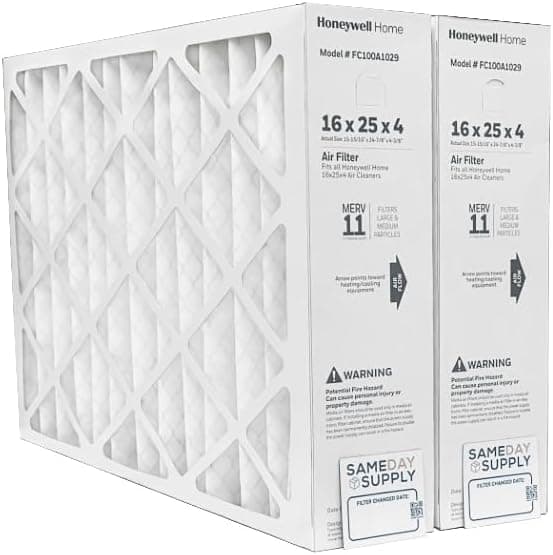
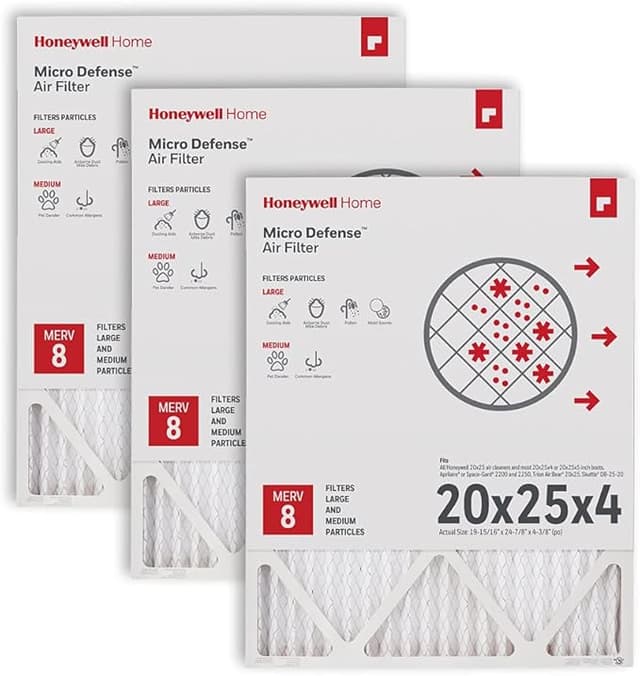
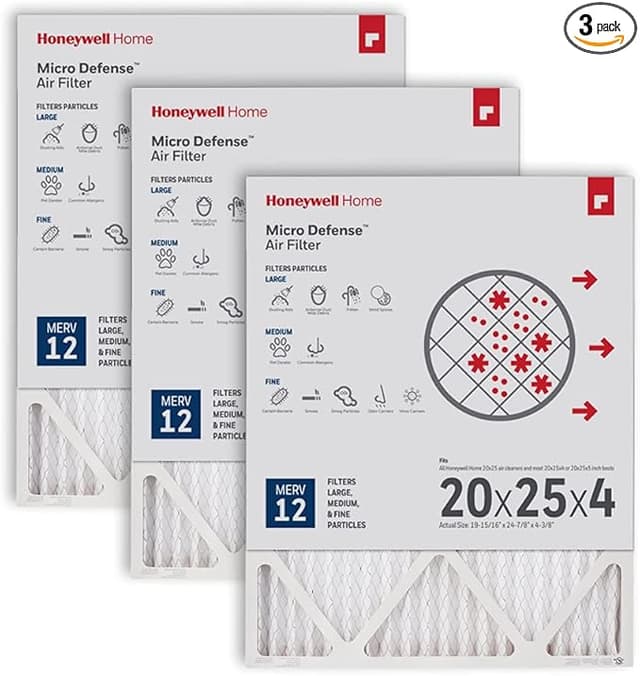
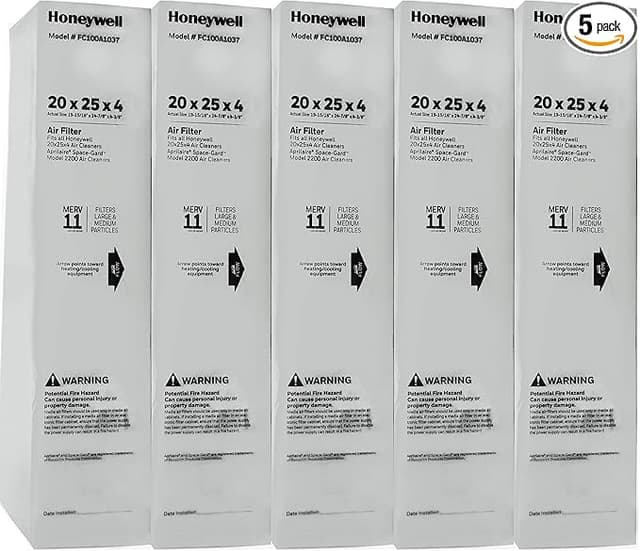
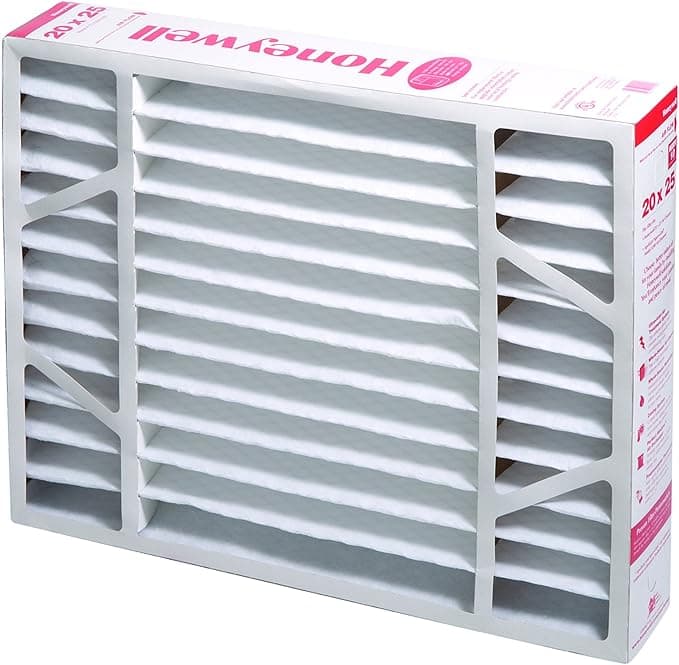
The Honeywell-compatible multipack worked out to somewhere around $5–7 a filter when you buy them several at a time. Same MERV 12 rating — that's the actual standard, not a marketing number, so a 12 is a 12 whether it costs five bucks or thirty. Over a year I'm spending maybe $30 instead of $120. That gap is real, and it's the whole reason I gave the cheap one a shot instead of assuming.
Does it actually fit, though
This was my biggest worry going in, because a filter that's even slightly off lets air sneak around the edges and you're basically filtering nothing. Install itself is dead simple — kill the system at the thermostat, pull the old filter out, slide the new one in with the airflow arrows pointing toward the blower motor. If you've changed one filter you've changed them all.
The fit on these is good. Not flawless — I'll get to that — but good. It seated square in my return slot and the cardboard frame held its shape when I pressed it in. The pleats are deep and consistent, which matters more than people think; shallow or uneven pleats are where the bargain-basement stuff falls apart. I held one up next to my old brand-name filter and honestly couldn't tell them apart by feel.
Where it's genuinely a touch behind
Okay, the honest part. The frame on these compatible filters is a hair flimsier than the premium ones. The cardboard is a little thinner, the corners aren't quite as reinforced. In practice it has never mattered for me — it doesn't bow under suction once it's seated — but if you grab it wrong out of the box or jam it into a too-tight slot, you can dent a corner. I've crumpled exactly one being careless. So just slide it in flat instead of forcing it at an angle.
The other thing: the packaging is nothing. They show up shrink-wrapped together, sometimes with one filter's edge a little scuffed from shipping. Cosmetic, doesn't touch performance, but if you like things arriving pristine, this isn't that. I shrugged about it. You might not.
And a fresh one has a very faint cardboard-and-new-material smell for the first day or two of running. It's mild and it clears once airflow has cycled through. I noticed it the first time and not since, probably because I stopped looking for reasons to dislike them.
How it actually performs
This is where I quietly ate my words. MERV 12 is the level where a filter starts catching the fine stuff — pollen, pet dander, the dust that makes you sneeze when the system first kicks on in spring. After I switched, I genuinely could not tell a difference from the brand-name filter. Same reduction in the gray fuzz on my vents. Same clearer air after a few cycles. My allergy-prone kid didn't suddenly get worse, which is the most unscientific but most convincing test I've got.
One real tip: at MERV 12 you've got a denser filter, so your system works a little harder to pull air through it — that's true of any MERV 12, name brand or not. Don't try to stretch it past its interval to save money. A clogged 12 chokes airflow worse than a clogged cheaper-rated filter would.
Why I don't let it go too long
Quick word on that, because it's the part people skip. A saturated filter isn't just "less effective" — it's actively restricting how much air your blower can move. That makes the system run longer to hit temperature, which shows up on your power bill, and over time the strain is hard on the furnace itself. The cheap filters actually make this easier to stay on top of: at five bucks a pop I have zero hesitation about swapping on schedule. When each one cost thirty, I'll admit I used to push them an extra few weeks "to get my money's worth." That was the genuinely dumber move.
So who should skip these
If you've got a sensitive variable-speed system that your installer specifically spec'd a particular branded filter for, follow that — some high-end setups are fussy about static pressure and it's not worth voiding anything. And if you change your filter twice a year and the price difference is lunch money to you, sure, buy whatever's on the shelf.
But for a normal home furnace and a person who changes filters on a real schedule? I went in trying to catch this thing failing, and a year and a half later it's just what I buy. Same MERV 12 job, a flimsier frame I've learned to slide in gently, and roughly a quarter of the annual cost. I'd buy it again — and I keep doing exactly that.
(I also saved a copy to `scripts/writer/drafts/honeywell-merv12-hvac.html` — delete it if your pipeline doesn't expect it there.)