Troubleshooting & Analysis
I stood in the hardware aisle holding both and did the math out loud
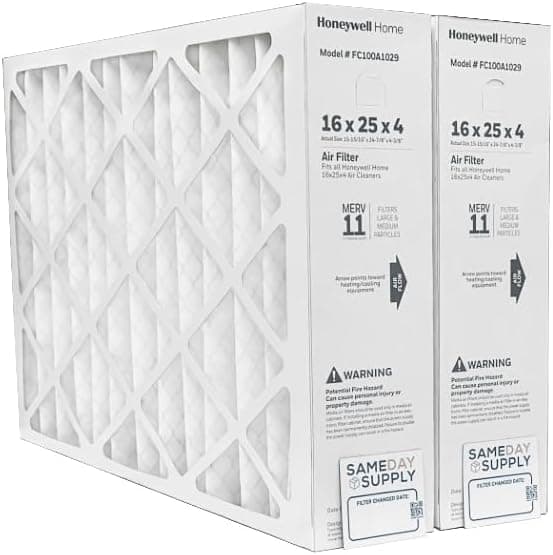
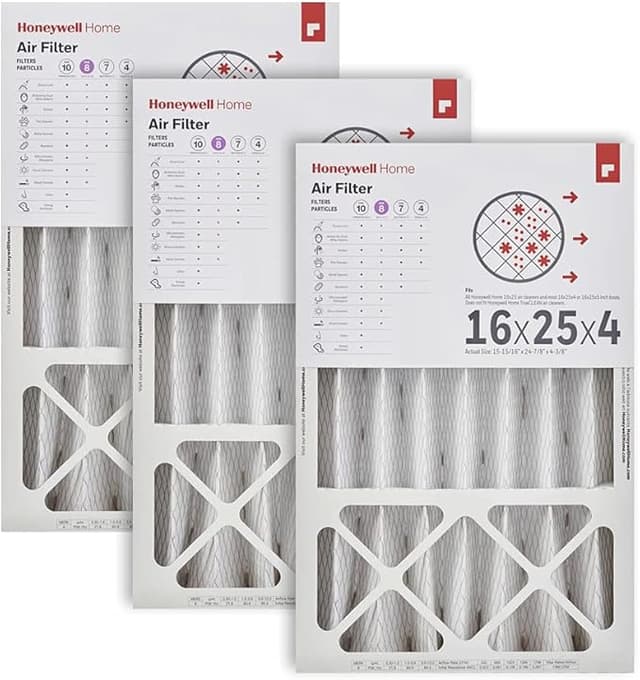
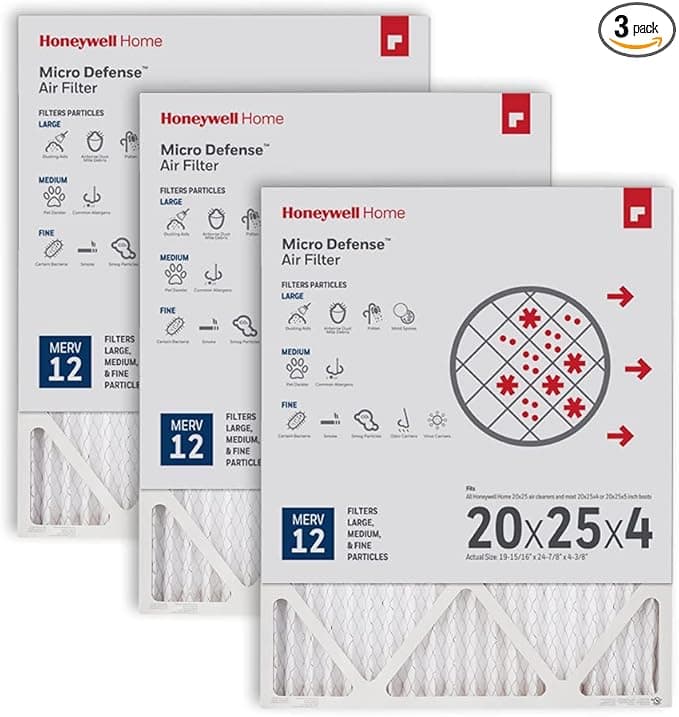
Left hand: the Honeywell-branded 16x25x4 in its tidy box, $52. Right hand: a three-pack of compatible MERV filters cut to the same 16x25x4, working out to about $19 a filter. Same dimensions, same depth, same job — pull dust and gunk out of the air my furnace is shoving through the house. I'm not proud of how long I stood there. A guy with a cart full of mulch wanted to get past me. But I'd been burned before by a "compatible" filter that was a sixteenth of an inch off and bowed in the slot, so I wanted to be sure before I committed.
I bought the multipack. I've now run them through a full winter and most of a summer in a 1990s-era forced-air system. Here's the honest report.
The price gap is not small, and it compounds
This is a 4-inch deep media filter, which means you're not swapping it monthly like the cheap 1-inch panels. In my house I get a solid three months out of one, sometimes pushing four if pollen season is calm. Call it four filters a year, generously.
At OEM-ish pricing — fifty-something a filter — that's north of $200 a year just to breathe. The compatible multipack ran me about $57 for three, so roughly $76 a year on the same replacement cadence. That's a $120-ish swing, every year, forever, for a part that gets thrown in the trash. When the savings is bigger than the cost of the thing itself, you start paying attention.
Does it actually fit? Mostly yes — with one caveat
The 16x25x4 size is the make-or-break here, because a 4-inch filter sits in a dedicated cabinet, not a flimsy bracket. The compatible ones I bought measured true. They slid into the cabinet and the door latched without me leaning on it. No bowing, no gap at the top where unfiltered air can sneak around the media — which, by the way, is the real failure of a bad off-brand filter. It's not that it doesn't filter; it's that air takes the path of least resistance and goes around it.
The caveat: the cardboard frame is noticeably stiffer and better-glued on the Honeywell. The compatible frame is fine, but the first one I pulled out had a corner that had softened a little from cabinet humidity. Didn't affect the seal, didn't affect performance. But if you're someone who treats the filter cabinet like a swamp — basement system, no dehumidifier — that flimsier frame is the thing I'd watch over a long install.
Installing is genuinely a two-minute job, and I'll say the steps because people skip them and then wonder why their furnace short-cycles. Kill the system at the thermostat first — don't swap a filter with the blower pulling. Slide the old one out (it'll be heavier than you expect, that weight is the dirt you didn't breathe). Slide the new one in with the printed airflow arrow pointing toward the furnace and blower motor, not toward the return. Get the arrow backwards and you've stapled the media in the wrong orientation; it still moves air, just not the way it was designed to.
Performance: where it matches, and where it's a hair behind
On capture, I genuinely can't tell the two apart by the thing I actually care about — the dust film on my furniture and the sneeze count in spring. Both the OEM and the compatible MERV media knocked it down the same. I run a allergy-prone household and nobody noticed a downgrade when I switched.
Where the OEM has a slight edge: pressure drop over time. Around the ten-week mark, the compatible filter felt like it loaded up a touch faster — the blower note changed a little earlier than I remembered with the name-brand. Not dramatic, not a problem, but if you have a weak or aging blower motor and you're already fighting airflow, that's a real consideration. A more-restrictive, faster-loading filter is exactly what strangles a tired system. On a healthy modern furnace? You'll never feel it.
Why I don't let it go past the date — and neither should you
Here's the part I won't soft-pedal. A 4-inch filter lulls you into forgetting it, because it lasts so long. Then it clogs solid. A choked filter doesn't just dirty your air — it starves the blower, the system runs longer to hit temperature, your bill climbs, and in the worst case the furnace overheats and trips its high-limit switch. I've watched a neighbor cook a blower motor doing exactly this. Cheap filter, expensive repair. The savings only counts if you actually swap on schedule. Mark a calendar reminder the day you install. Three months, out it comes.
Who should buy the OEM instead — and what I do
Buy the name-brand if your system is old and wheezy, if your filter cabinet runs damp, or if you simply want the sturdiest frame and you sleep better paying for the label. Those are real reasons, not nothing.
But for a normal furnace in a normal house? I put the compatible 16x25x4 multipack in mine, watched it through a full heating season and a humid summer, and it pulled the same dust out of my air for less than half the running cost. The frame's a little cheaper. The first couple days out of the plastic there's a faint new-material smell that clears once air moves through it. Small stuff. For a hundred-plus dollars a year back in my pocket, doing the same job — I'd buy it again. I already did; the second pack is sitting on the shelf in the basement.