Troubleshooting & Analysis
The filter that wouldn't sit flat
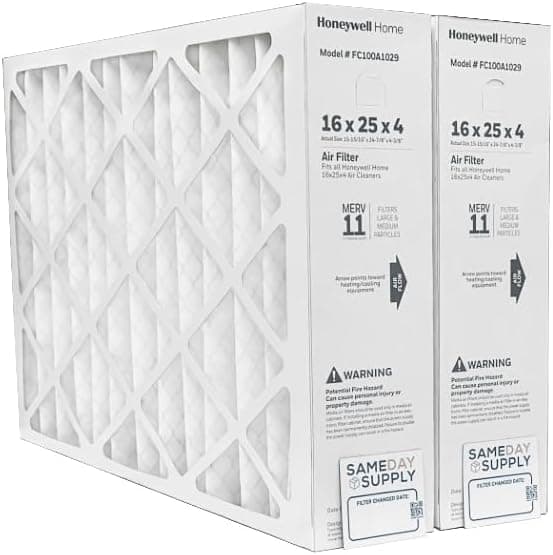
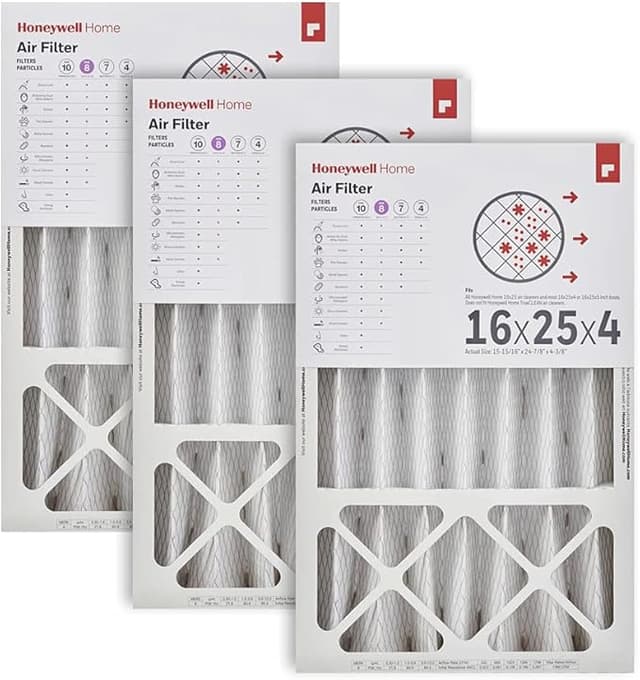
First thing I noticed pulling a Honeywell MERV 10 out of the plastic sleeve: the cardboard frame has a faint, dry papery smell — like a new shoebox — and the pleats made this soft crinkling sound when I pressed them, almost like a stiff coffee filter. Not a chemical stink. Not the warm dust-and-attic odor the old one had. Just clean cardboard. I held it up to the kitchen light and the pleats were tight, even, no gaps where the media meets the frame. That mattered to me, because the last off-brand 16x25x1 I bought had one corner where the glue skipped and you could see daylight through the seam.
So let me back up. I run a single-stage gas furnace with a 16x25x1 slot, and I'd been buying whatever the hardware store stocked — usually a name-brand MERV 11 at around $13 a filter. Four a year if you're honest about changing them every three months, which I rarely was. The Honeywell multipack I switched to runs closer to $7 a filter when you buy the six-pack. That's roughly $48 a year versus $52 for a single high-end filter every quarter at the worst-case retail price. Over the life of the furnace that gap is real money, and the MERV 10 rating is the part most people overthink.
MERV 10 is the right number for most houses, and here's the honest reason
People see a higher MERV number and assume more is better. For a typical residential blower, it isn't. MERV 13 and up catch finer particles, sure, but they also choke airflow on a furnace that was never spec'd for that resistance. I tried a MERV 13 one winter and my furnace short-cycled and the static pressure climbed enough that I could hear the blower working harder. A MERV 10 catches dust, pollen, lint, mold spores, the cat — the stuff that actually coats your coil and clogs your vents — without strangling the system. For a standard home setup, this is the sweet spot, and I say that as someone who learned it the annoying way.
Install: thirty seconds, one thing to get right
The swap is genuinely simple, and I'm not saying that to flatter you. Kill the system first — flip the thermostat off or hit the switch on the furnace so the blower can't pull a loose filter mid-change. Slide the old one out (mine came out gray-brown and sagging, which is a little gross and a little satisfying). Then the only step people botch: the airflow arrow printed on the frame edge has to point toward the furnace, toward the blower motor — away from the return duct. Backward, and the pleat support fails over time and the media can bow. Slide it in, snap the cover, flip the system back on. Done before your coffee's cold.
The Honeywell seated snug in my slot. Not loose, not a fight. If anything it was a hair tighter than the flimsy store-brand, which I'll take — a tight filter doesn't let air sneak around the edges unfiltered.
What it does well, and the one spot where it's a step behind
Through a full Texas summer of constant AC runtime, the airflow out of my vents stayed strong. No whistling, no warm rooms, no furnace complaining. When I pulled it at the three-month mark it had a solid even layer of fine gray dust across the whole face — meaning it was actually grabbing stuff, not just passing air through. My allergy mornings were noticeably less rough than the season before, though I'll be fair and say I changed nothing else, so I can't fully isolate it.
Now the honest downside, because a review with none of those is lying to you. The cardboard frame is lighter-weight than premium filters. It's fine in a clean dry slot, but if your filter sits somewhere humid — a damp basement, a slot that catches condensation — that cardboard can soften and warp by the end of three months. Mine held shape because my return is bone dry, but I've had cheaper cardboard frames go floppy in a humid utility closet before, and once a frame warps, the seal goes with it. If your install spot is damp, that's the one reason to spend up for a beadboard or plastic frame instead.
Why you can't just skip this
The thing nobody tells you until it costs them: a packed filter doesn't just stop cleaning your air, it starves the system. When the media clogs and air can't get through, the blower strains, the heat exchanger can overheat, and on the AC side the coil can ice over. I've watched a neighbor pay for a furnace service call that was, root cause, a filter someone hadn't touched in fourteen months. A $7 filter on a calendar reminder is the cheapest furnace insurance there is. Set a phone alert for every three months and forget about it.
Who should skip this — and what I actually do
If someone in your house has serious asthma and your system was sized for high-static filters, go MERV 13 and accept the airflow tradeoff with your HVAC tech's blessing. If your filter slot lives somewhere damp, buy a rigid-frame filter instead of cardboard. Everyone else — the vast majority of normal houses with a normal furnace — the Honeywell MERV 10 multipack is the boring correct answer. I keep the six-pack on the shelf in the garage, change one every season, and I genuinely don't think about my air again until the reminder buzzes. For about seven bucks a filter doing the exact job a thirteen-dollar one does, I've bought it twice now, and I'll buy it again when this pack runs out.