Troubleshooting & Analysis
I stood in the HVAC aisle holding both boxes, doing the math out loud
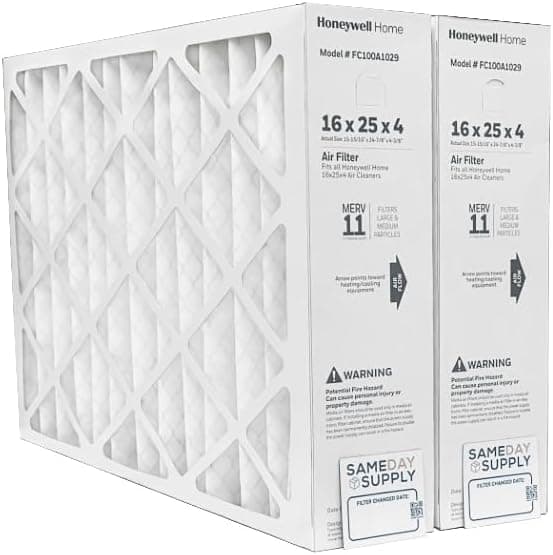
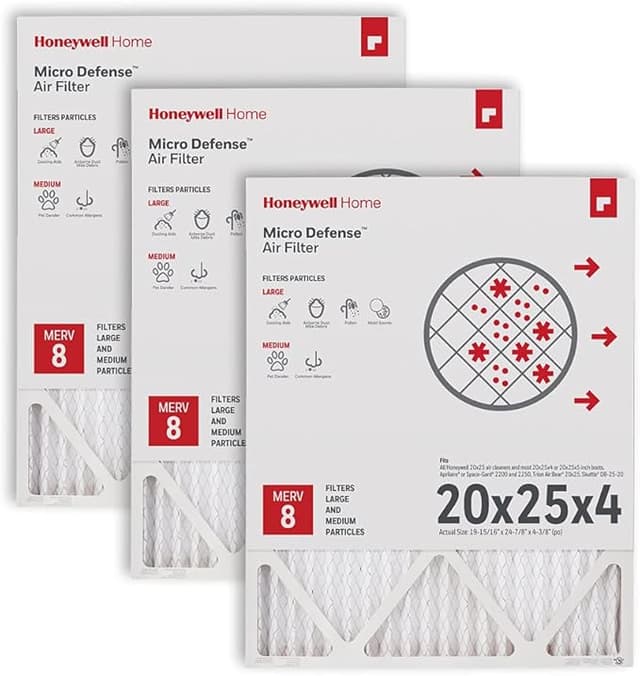
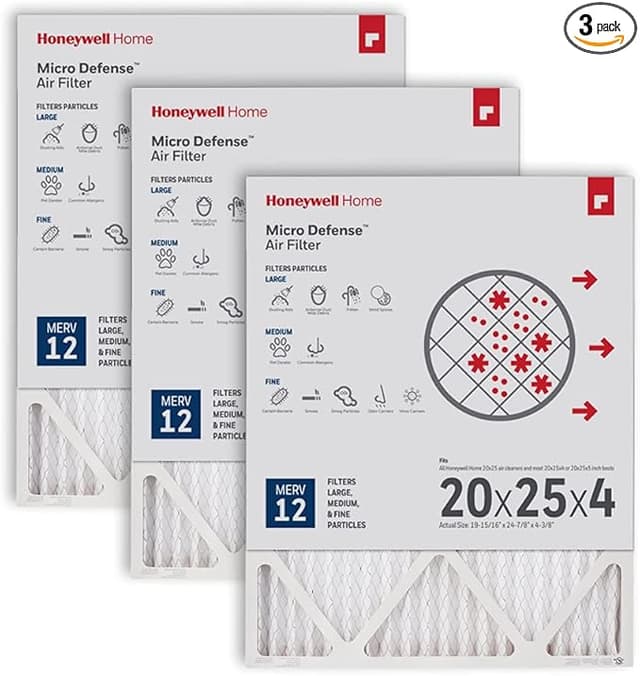
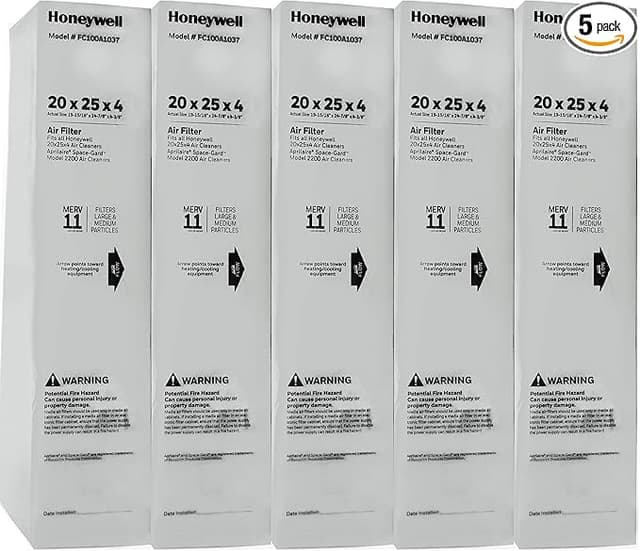
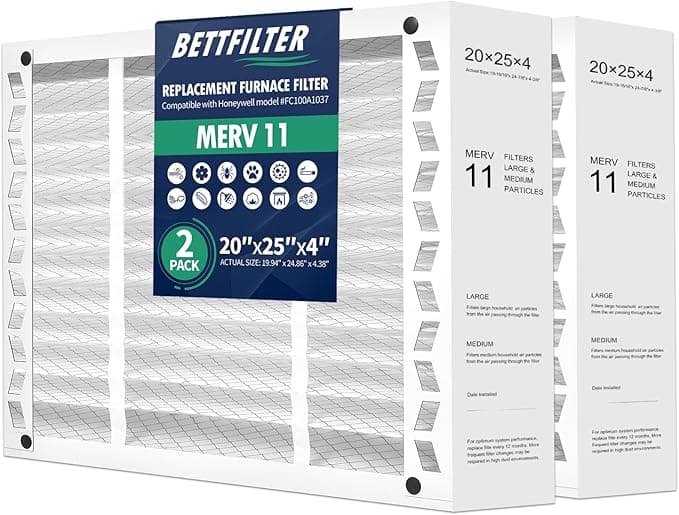
The OEM 20x25x4 Honeywell box was sixty-some dollars. The compatible multipack next to it worked out to less than half that per filter. And I just stood there, a little annoyed, because I'd been buying the name-brand one for years on autopilot. My furnace tech once told me "use the good filters" and I never questioned it. But sixty bucks, four times a year, for a folded sheet of pleated media in a cardboard frame? Something about that finally stopped making sense to me.
So I bought the cheap multipack to find out if the tech was right or if I'd been quietly overpaying for a logo. I've now run these in my own system through a full cooling season and into the heating one. Here's the honest version.
The price gap is the whole reason you're reading this
Let's be real about the numbers, because that's what's actually bugging you. A single OEM-branded 20x25x4 runs you in the fifties to mid-sixties. The compatible multipack drops the per-filter cost dramatically — you're looking at roughly half, sometimes better, once it's a four-pack. This filter is a 4-inch deep media filter, so you're not swapping it monthly like the cheap 1-inch panels. Call it every three to four months in a normal house, faster if you've got shedding dogs or you're running the system hard.
Run the annual math. Three or four OEM filters a year is real money — easily $180 to $250. The compatible version cuts that close to half. Over the life of a furnace that's not a rounding error, that's a nice dinner out a few times over. That gap is exactly why I gave the off-brand a shot, and it's why most of you should too.
Does it actually fit? Mostly yes — with one note
A 20x25x4 has to slot into the filter cabinet snug, arrow pointing toward the blower, or you're wasting your time. The install itself is dead simple and I'll say it the way I do it: kill the system at the thermostat first, slide the old filter out, slide the new one in with the airflow arrows aimed at the motor. Done in under a minute.
Here's my one honest fit note. The frame on these compatibles is a touch lighter than the OEM cardboard. The actual dimensions were right on — it seated into my cabinet and the door closed clean, no gap, no daylight around the edges. But the frame flexes a little more when you handle it. If your cabinet is the type where you really have to wedge the filter past a lip, hold the new one by the long edges so you don't dimple a corner going in. Once it's in the slot, it sits flat and holds its shape. I checked mine a month later and the pleats hadn't sagged or bowed toward the blower, which was my actual worry.
Performance: where it matches, where it's a hair behind
The thing that matters with a 4-inch media filter is MERV rating and airflow, and this is where I expected the cheap one to fall apart. It didn't. Through summer my returns pulled air the same as before — no whistling, no straining blower, and the temperature split across the coil stayed where my tech likes it. Dust on the furniture went down the same week, same as the OEM does. For day-to-day "is my air getting cleaned and is my blower happy," I genuinely could not tell you which filter was in the cabinet by feel.
Where's it a touch behind? Two small things. The pleat count looked very slightly less dense than the OEM I pulled out — close, but my eye caught it. And the loading life felt a hair shorter; mine looked ready to swap a couple weeks sooner than the OEM tended to. Not dramatically. But if you're the type who pushes a filter to the absolute limit, you might cycle these a touch more often, which nibbles at the savings. Honestly, you should be checking a deep filter by eyeballing it anyway, not by the calendar.
The real downside, and why a dead filter isn't a small thing
The downside I'll own: the packaging is cheap and one filter in my four-pack had a slightly crushed corner from shipping. It still installed fine and sealed fine — I just wasn't thrilled opening the box. If you need every unit pristine, that's the tradeoff you're accepting for the price.
But here's the part I won't soft-pedal, because it's the whole reason this filter matters at all. A 4-inch filter that you forget about turns into a clogged wall in front of your blower. Once it's choked with dust, airflow drops, your system works harder, your energy bill climbs, and in the worst case your furnace overheats and trips — or worse, fails early. The brand on the frame doesn't protect you from that. Changing it on time does. A clean compatible filter beats a neglected OEM one every single day of the week.
So who should buy which
Buy the OEM if you're under a warranty or service contract that specifically demands the branded part, or if you've had a past airflow problem and your tech wants a known-exact spec — that's a real reason, not a marketing one. For everyone else with a standard 20x25x4 cabinet and a working system, the compatible multipack is the call.
I went in skeptical, half-expecting to write a "just pay for the real one" review. Instead I'm on my second pack. Same clean air, same happy blower, roughly half the yearly cost, and the only thing I gave up was fancier packaging. For that kind of money saved, doing the same job in my own house — I'd buy it again. And I have.