Troubleshooting & Analysis
Forty-eight dollars. For one filter.
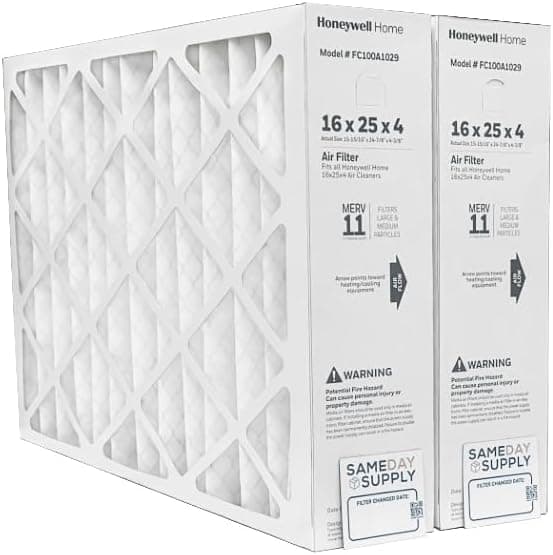
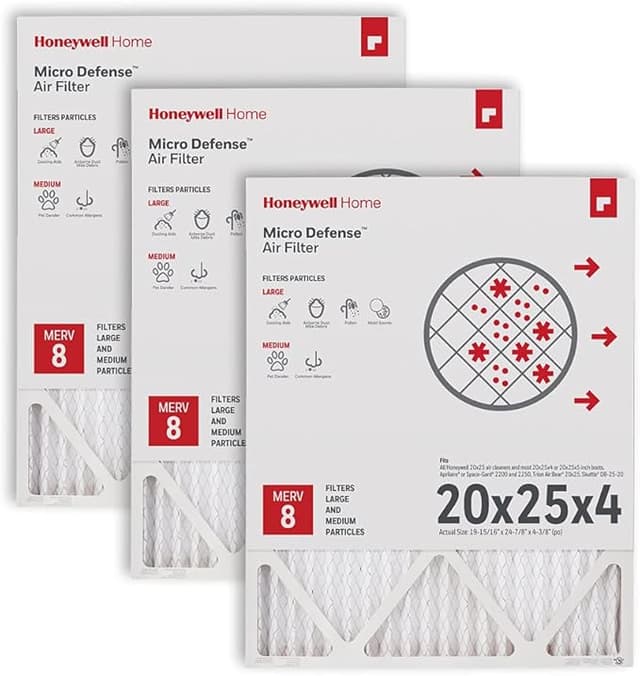
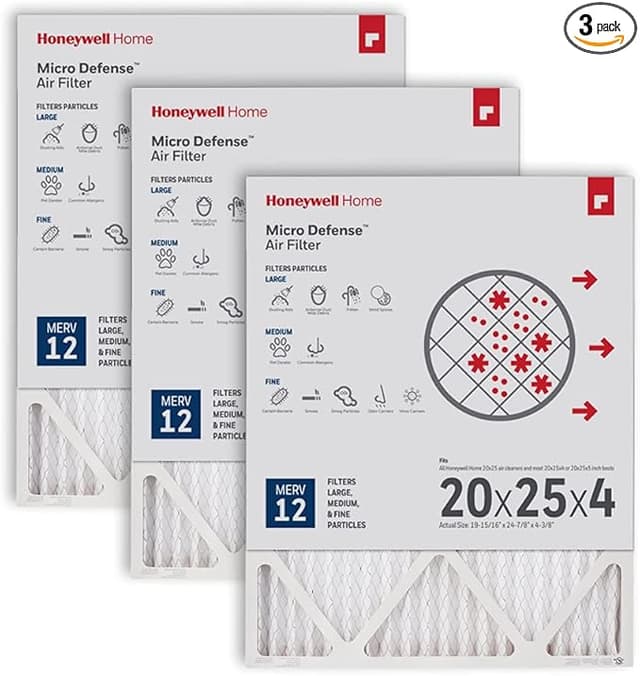
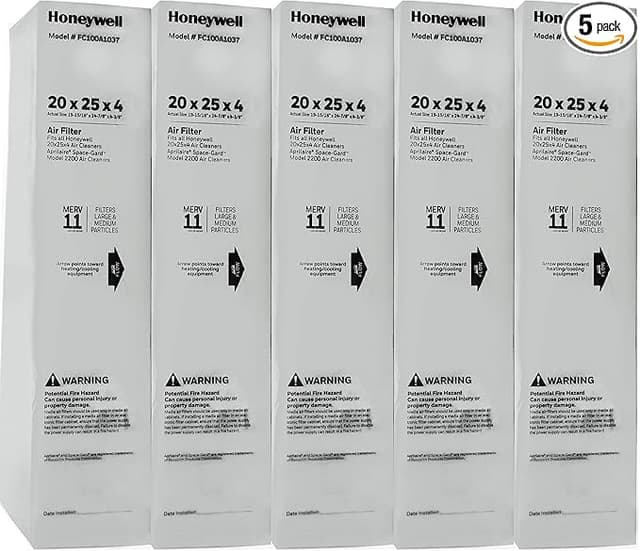
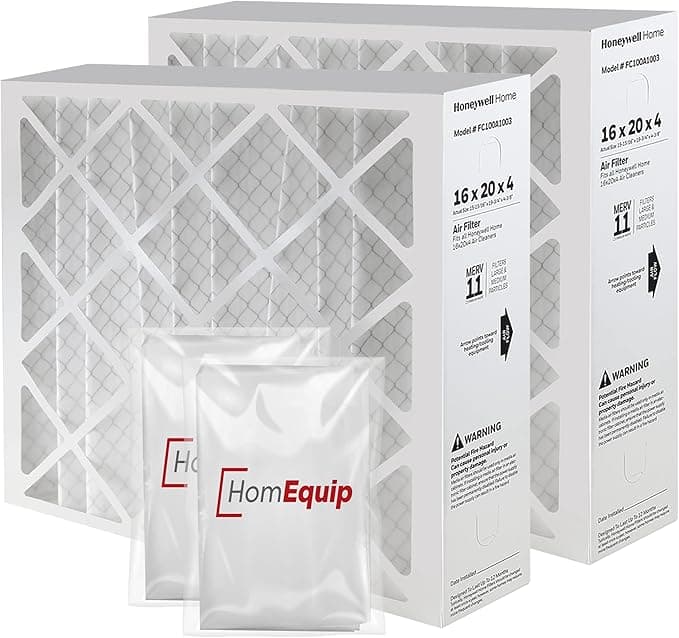
That was the number that stopped me cold a couple years back. I was standing at the furnace closet with the old 16x20x4 pulled halfway out, gray and matted, and I went to reorder the same Honeywell media filter I'd always bought. Forty-eight bucks. Each. And the thing's rated to last three to six months, so call it two of them a year — closer to $96 annually just to keep dust out of my blower. Meanwhile the compatible multipack I eventually switched to ran me about $20 a filter when you break down the box, sometimes less on a two-pack deal. Same 16x20x4 footprint, same MERV range, doing the exact same job.
I didn't trust it at first. Four-inch media filters aren't like the flimsy 1-inch panels — they're a real pleated brick, and the deep ones actually matter for airflow and furnace life. So when I ordered the cheaper version I half-expected it to show up warped, or too thin, or to whistle in the cabinet. Here's what actually happened.
The price math nobody wants to do
Honeywell wants OEM money because they can. Their genuine 16x20x4 cartridges hang out in that $40–50 range, and if you're on the recommended swap schedule you're feeding the machine two a year minimum, three if you've got pets or run the system hard. The compatible multipacks I've been buying drop that per-filter cost by more than half. Over the five-ish years I'll own this furnace, that's the difference between roughly $480 and $200 in filters. Same air. I'd rather keep the $280.
Does it actually fit?
This was my real worry. A 4-inch media filter that's even slightly off-size will either jam or leave a gap that lets unfiltered air sneak around the side — which defeats the whole point. The compatible 16x20x4 I bought measured true. Nominal 16x20x4, actual a hair under like every media filter is, and it slid into the cabinet rack with the same firm push the Honeywell needed. No forcing, no shaving the cardboard frame.
Install is the same three-move job it's always been, and you don't need a guide for it, but for anyone new to this: kill the system at the thermostat or the furnace switch first — you don't want the blower yanking on a half-seated filter. Slide the old one out. Drop the new one in with the airflow arrow pointing toward the furnace, toward the blower motor, not away from it. That arrow is printed right on the frame edge. Get it backwards and the pleats load up wrong and choke airflow. Took me maybe ninety seconds, closet door to closet door.
Where it's honestly a touch behind
I'll be straight with you, because a review where everything's perfect is a review I wouldn't believe either.
The frame cardboard is noticeably cheaper than Honeywell's. The OEM frame has this rigid, almost over-built feel; the compatible one flexes a little more when you press the corners, and on one filter out of a six-pack the cardboard had a slightly crushed edge from shipping. It still seated fine and sealed fine — the rack holds it — but if you're rough handling it, be a little gentle on the corners going in.
Second thing: the very first day or two there was a faint new-filter smell when the system kicked on. Not chemical, not strong — more like fresh pleated paper and a whisper of plastic. Gone by day three. The Honeywell does this too, just a touch less. If you've got a sensitive nose, run the fan for an hour after install and you won't notice it.
And the dust-holding at the tail end isn't quite OEM-grade. Right around the four-and-a-half, five-month mark I could see the compatible one loading up a bit faster than the Honeywell used to. Not a problem — I just check it monthly with a flashlight and swap when light barely passes through the pleats. Honestly you should be doing that with any media filter regardless of brand.
Why a dead filter is the part that actually costs you
Here's the thing people miss when they're trying to save twelve dollars by stretching a filter to eight months. A clogged 16x20x4 doesn't just stop catching dust — it starves the blower. The motor pulls harder against the restriction, your energy bill creeps up, and in a bad case the furnace overheats and trips its limit switch, or you cook the heat exchanger over time. A $20 filter swapped on schedule is the cheapest insurance you'll ever buy against a $1,500 furnace repair. So the move isn't to buy the expensive filter and leave it in forever — it's to buy the affordable one and actually change it.
So who should buy what
If your furnace is under warranty and the fine print specifically demands genuine Honeywell media — read it, some do — then buy the OEM and keep your receipts. Not worth voiding coverage over twenty-eight bucks. Same if you've got a serious respiratory situation at home where you want every last bit of OEM-validated filtration consistency.
For everybody else with a standard 16x20x4 cabinet? I grab the compatible multipack and I don't think twice anymore. It fits right, it pulls the same dust, it costs less than half, and the only real trade-offs are a flimsier frame and a two-day break-in smell I forget about by Wednesday. I've now run these through several full seasons in my own house. For fifty fewer dollars a filter, doing the identical job, I'd buy them again — and I keep doing exactly that.