Troubleshooting & Analysis
The first thing I noticed was the cardboard
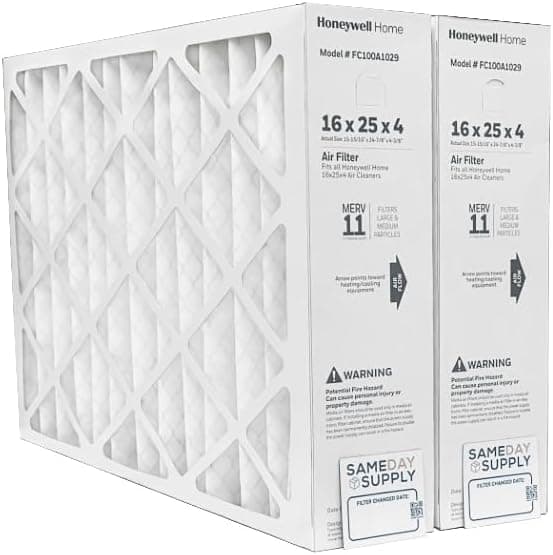
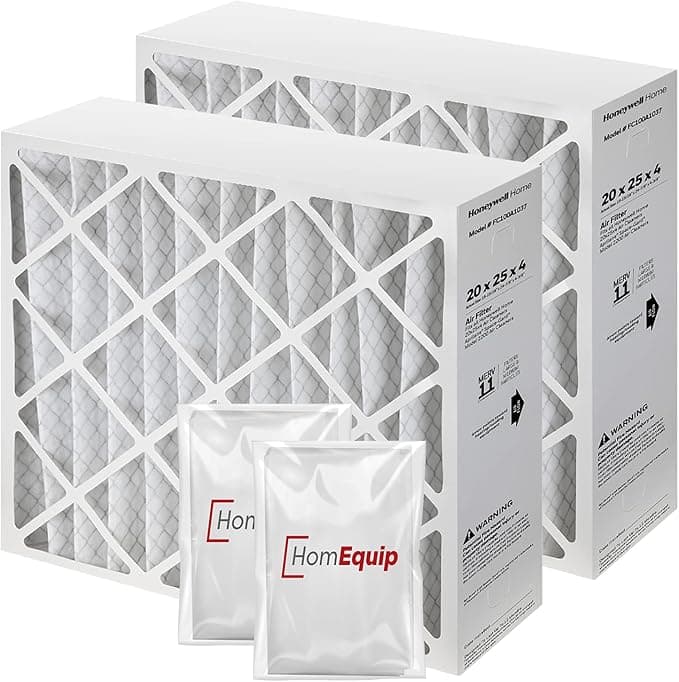
Not the filter. The cardboard frame. When I slid the compatible 16x20x4 into my return slot the first time, it made this soft shff against the rails and then a little resistance at the end where the gasket meets the housing — same snug stop my old Honeywell gave me. No smell to speak of, which honestly surprised me, because cheap pleated filters sometimes carry that faint glue-and-plastic thing for a day or two. This one didn't. It just smelled like a filter. Clean paper and a hint of new media.
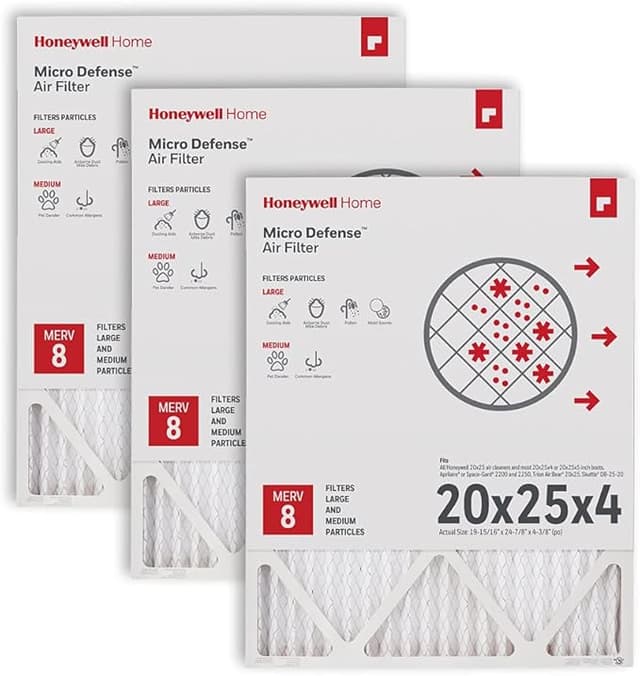
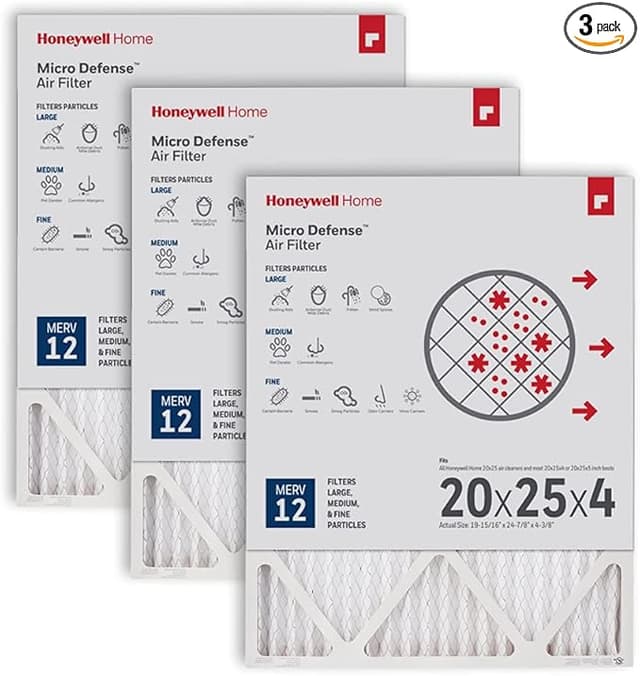
I'd been buying the name-brand 16x20x4 for years, mostly out of habit and a vague fear that the off-brand would somehow let dust slip past or choke my blower. So before I trusted it, I held both up to the kitchen window side by side. Pleat count was close. Pleat depth on the compatible was a hair shallower — maybe an eighth of an inch — and the wire backing felt a touch lighter in the hand. But the media itself? Same dense, evenly-spaced pleating. Same MERV-rated face. The kind of thing you can't tell apart once it's seated in the dark behind a grille.
The price gap is the whole reason we're here
Let's be real about why anyone reads a review like this. A single 16x20x4 from the brand-name shelf runs me $35 to $45 depending on the week and where I'm standing. This compatible multipack works out to roughly half that per filter, sometimes less. I run a deep 4-inch filter, which means I change it maybe every 3 to 6 months instead of monthly — so we're talking two to four filters a year. Call it $140 a year on OEM versus $60-ish on the compatible. That's eighty bucks back in my pocket annually for, as far as my furnace can tell, the exact same job.
And the 4-inch depth matters here, which is something people skip past. The reason these last so long is the surface area — all that deep pleating gives the air more room to slip through while the dust gets caught. A thin 1-inch filter clogs fast and starts fighting your blower in weeks. A clogged 4-inch is the same problem, just slower and sneakier. Which is exactly why I don't mess around with going cheap on something that doesn't filter well. Cheap and competent is the goal. Cheap and useless costs you a furnace.
Install, which is genuinely a two-minute job
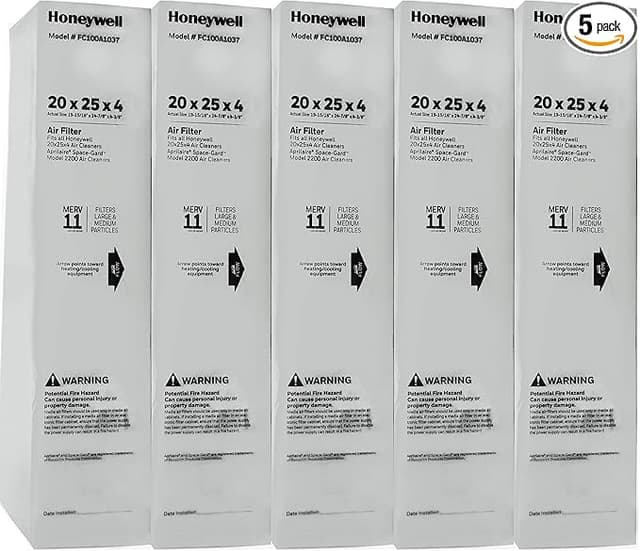
If you've never done this: kill the system first — flip the thermostat to off so the blower isn't pulling while you've got the slot open. Pull the old filter straight out (mine slides out the side of the return; yours might be a ceiling or wall grille). Then the one thing people get wrong — check the airflow arrow printed on the frame and point it toward the furnace, toward the blower motor, the direction the air is traveling. On this compatible the arrow is printed big and dark on the side edge, easy to read even when you're crouched with a phone flashlight. Old one out, new one in, arrow pointing the right way, slot cover back on. Done.
The fit on mine was true. No bowing, no gap at the top where unconditioned air could sneak around the filter instead of through it. I've had off-brand filters in the past that were cut a few millimeters undersized and rattled or left a daylight gap — that's the real failure mode to watch for, not the media quality. This one filled the slot edge to edge. Snug enough that I had to give it a small push at the end. That push is what you want.
Where it's a touch behind — and the real downside
I'll give you the honest knocks. The frame is cardboard, not the slightly sturdier board the name brand uses, so if you're rough pulling it out at end of life it can flex and you might catch a finger on the wire. Handle it like the disposable thing it is and you're fine. Second: I genuinely think the OEM holds its shape a hair better at the back end of a long run — by month five mine had a faint sag in the middle pleats that the brand-name didn't get as badly. Did it affect airflow I could measure? No. Did I notice it when I pulled the filter? Yeah, a little.
The other honest thing: pack-to-pack consistency on multipacks like this isn't always perfect. Across my last box, one of the four had a slightly less crisp pleat fold than the others. Still worked. Still sealed. But if you're the type who lines things up with a ruler, you'll spot it.
The part that actually matters
Here's the why-it-matters, and I'm not going to scare you about it. A filter's only real job is to catch junk without strangling your airflow. Let one go too long and the furnace has to drag air through a clogged wall — the motor works harder, your electric bill creeps up, and in a bad case the furnace overheats and trips its safety. That's a maintenance failure, not a filter-brand failure. A $20 compatible changed on schedule protects your system better than a $45 OEM you forgot about for a year. The discipline is the safety. The brand on the frame isn't.
So who should skip it
If you've got someone in the house with serious respiratory issues and your HVAC tech spec'd an exact MERV and media for medical reasons — buy what they told you to buy, don't improvise. And if a 4-inch filter slot is a tight, fussy fit in your particular furnace cabinet, the slightly more rigid OEM frame might save you a little cursing.
For everyone else with a standard 16x20x4 return? I've run these through full heating and cooling seasons, side by side in my head against years of the name brand, and I keep reaching for the compatible multipack. Same clean air, same snug seat, half the money. I bought another box last month — which is the most honest thing I can tell you about it.