Troubleshooting & Analysis
The math that finally broke me
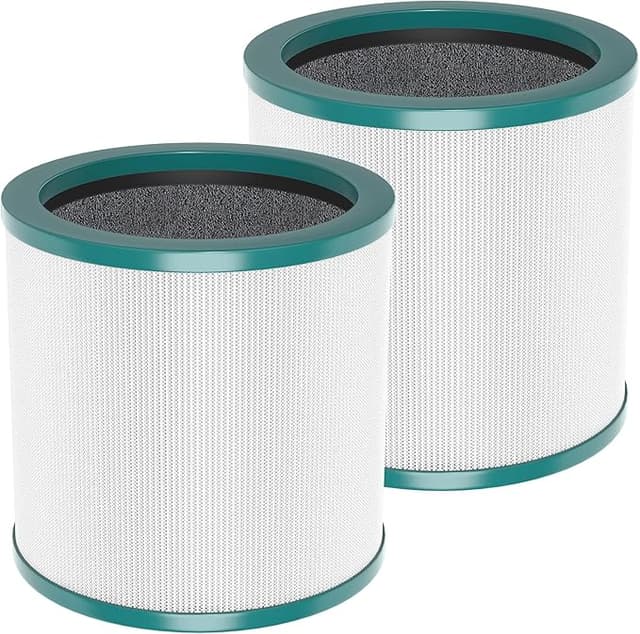
I stood in my kitchen holding a genuine Dyson Filter C in one hand and my phone in the other, and the number on the screen made me put the box back down. Twenty-three dollars. For one filter. My PH04 — the Purifier Humidify+Cool — wants a fresh one roughly once a year if you run it daily like I do, and Dyson's own packaging is happy to remind you of that. So that's $23 a year, every year, for as long as I own the machine. The compatible version I'd been eyeing came in a two-pack that worked out to about $6 a filter. Six dollars versus twenty-three. Same job. Same slot.
That gap is the whole reason this article exists, and it's the reason I stopped buying OEM two winters ago. Let me tell you what I actually found.
What you're really paying for
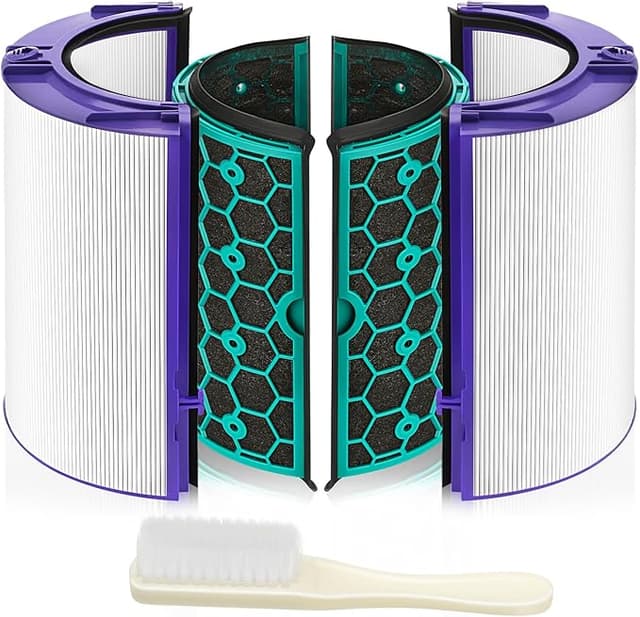
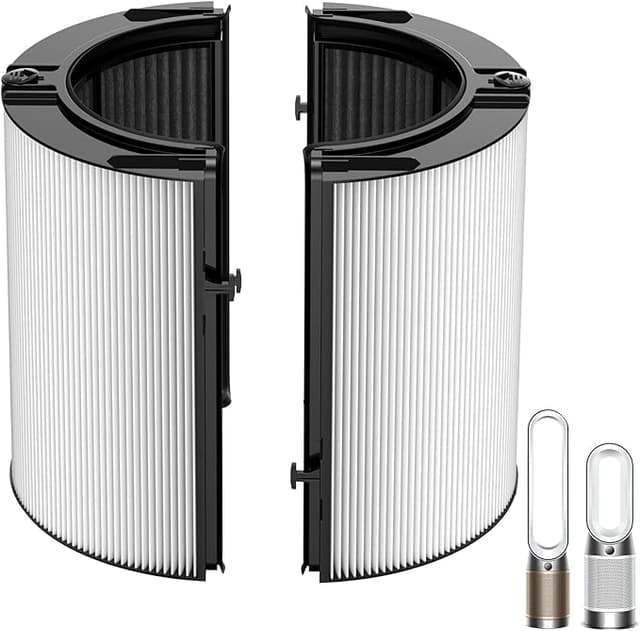
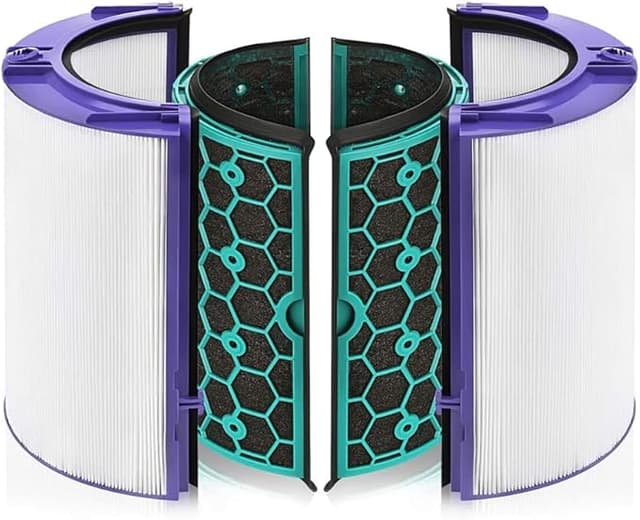
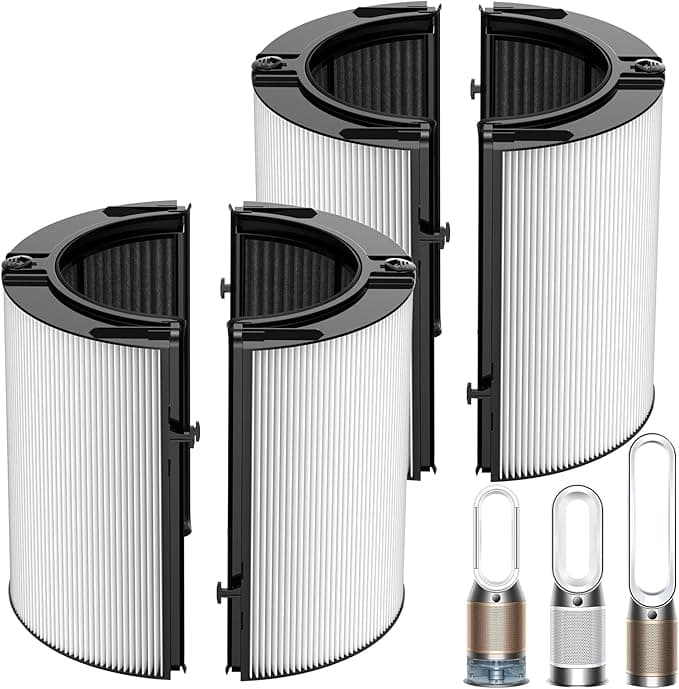
Here's the part Dyson doesn't put on the box: the Filter C is a sealed HEPA-and-carbon combo. It's not exotic. It's pleated glass-fiber media for the particulates and a layer of activated carbon for smells and gases. The compatible units use the same construction. When I cut open a spent OEM filter and a spent compatible one side by side on a cardboard box in my garage — yeah, I did that, because I didn't trust the cheap one either — the pleat count was close, the carbon layer on the OEM was a touch denser, and both were equally filthy after a season. The dirt is the proof. A filter that's catching nothing stays clean.
So I'm not paying $17 extra for better engineering. I'm paying it for the brand stamp and the little RFID-style chip some Dyson filters carry. Worth knowing before you spend it.
Does it actually fit?
This is where compatible filters live or die, and it's the first thing I check now. On the PH04 the swap is genuinely simple. Power the unit off and pull it from the wall — don't skip that, the fan blade is right there. The filter wraps around the base in two halves; you press the two release buttons on the sides and the outer shells pop off, then the old filter lifts straight out. Before the new one goes in, I run a dry microfiber cloth around the inside of the housing, because a year's worth of fine dust collects on the lip and you don't want it falling into the airflow path.
The compatible filter seated with a clean click on my unit. Both shells closed flush, no gap at the seam, no bowing. I want to be straight with you, though: the tolerances are a hair looser than OEM. On the genuine filter the shells snap on like they were machined for each other. The compatible one took a firmer push on one side to get that final click. It seated fully — I checked by running my thumb around the entire seam looking for a lip — but it wasn't as buttery. If you've got a unit that already reads slightly worn around the clips, test the seat before you walk away.
The honest performance read
I ran the compatible filter through a full Seoul spring, which around here means yellow dust season — the air quality index goes ugly for weeks. The PH04's built-in particle sensor is my report card, and it tracked the way it always has: spikes when I cooked, a fast drop back to green once the auto mode kicked up. Particulate capture, I have zero complaints about. That's the HEPA media doing exactly what HEPA does.
The carbon layer is where I'd give OEM a slight edge. When I fried mackerel — a smell that lingers in any Korean apartment — the genuine filter knocked the odor out maybe twenty minutes faster than the compatible one did on a fresh swap. Both got there. The OEM just got there quicker. By month three I honestly couldn't tell them apart anymore, because the carbon on either one saturates with use. If gas and odor removal is your top reason for owning this thing — say you've got a formaldehyde concern, which is literally what the PH04's "Formaldehyde" badge is about — that's the one place I'd think twice.
The real downside
The first three days, there was a faint plastic-and-glue smell coming off the new compatible filter on startup. Not strong, but I noticed it in a closed bedroom overnight. It's the fresh media and the adhesive off-gassing, and it cleared completely by about day four. OEM filters do a little of this too, but less. If you're sensitive, unbox it and let it air out on the balcony for a day before you install it. Cheap fix for a cheap filter.
The packaging is also just sad — a thin poly bag inside a flimsy box, no molded tray. Cosmetic, but it tells you where they spent the money and where they didn't.
Why a clogged one isn't just a performance issue
Whichever filter you run, run it on schedule. A saturated filter doesn't only stop cleaning — it chokes the airflow, and the PH04's motor pulls harder to move the same air through a blocked media. Harder pull means more heat, and sustained heat is what wears a motor down over years. Replacing a Dyson motor costs more than a decade of compatible filters. The filter is the cheap part. Treating it like the cheap part is the whole point.
So who buys what?
If you specifically bought the PH04 for formaldehyde or heavy gas filtering and you want every last percent of carbon performance, buy the OEM Filter C and don't overthink it. The extra $17 buys you a sliver of margin where it matters to you.
For everyone else — and that's most of us, running this in a bedroom or living room for dust, pollen, and general air — I grab the compatible one. Same particle capture, a slightly slower nose for odors, a three-day break-in smell, and roughly seventy bucks a year staying in my pocket over a four-year ownership. I've bought it three times now. I'll buy it again next spring.