Troubleshooting & Analysis
I didn't believe a $20 filter could be fine either
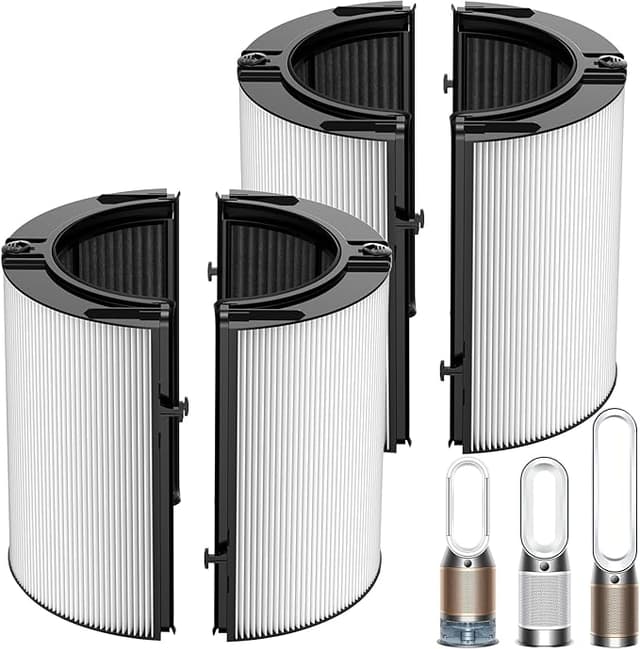
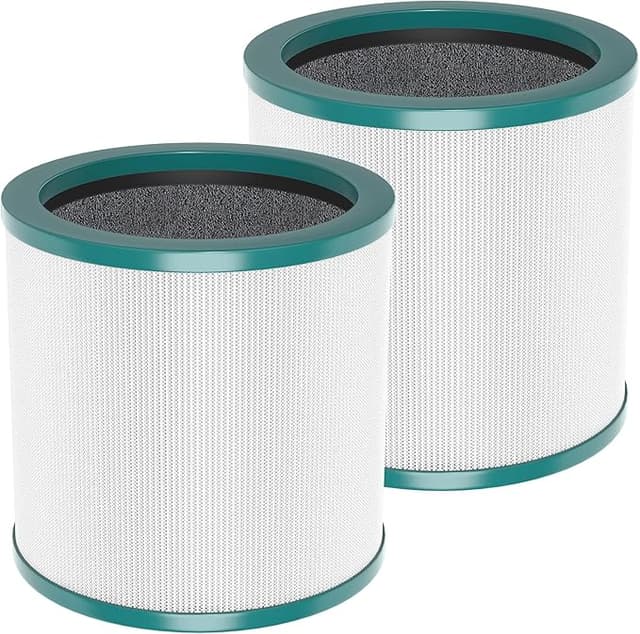
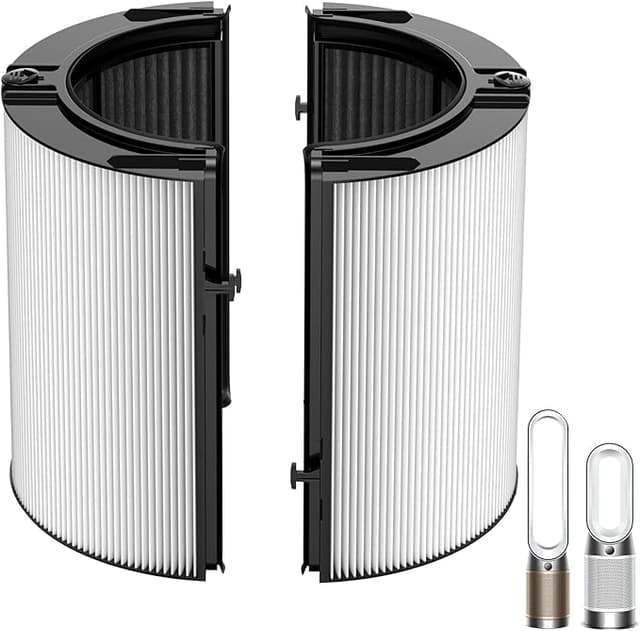
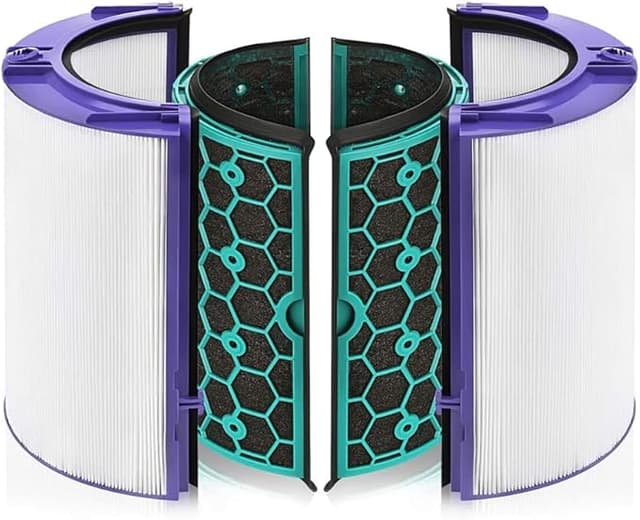
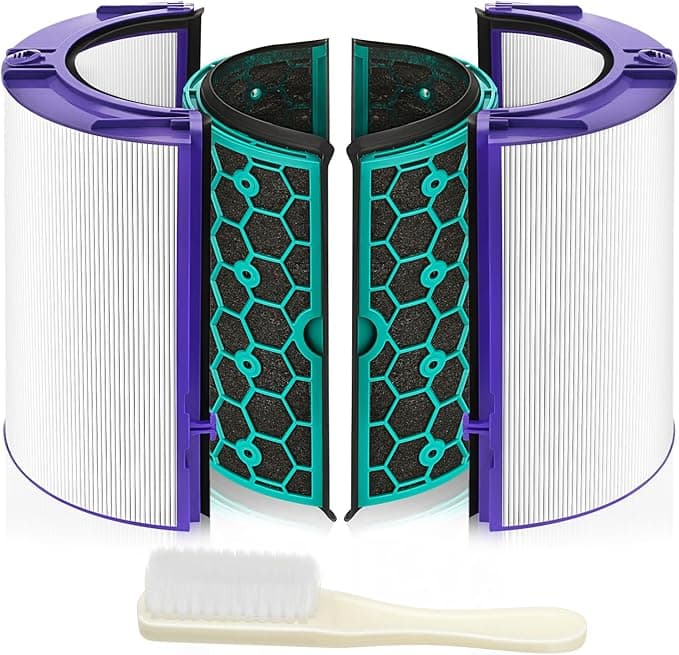
Here's where my head was at. My Dyson DP01 had been wheezing for weeks — the airflow dropping off, the room never quite clearing the way it used to after I cooked. I went looking for a new filter, saw what Dyson wanted for the genuine one, and then saw a compatible washable version sitting right next to it for less than half. And I thought: no chance. A twenty-dollar part for a machine that cost me a few hundred? That's the kind of thing that fits like garbage, smells like a pool toy, and quietly cooks your motor over six months. I almost closed the tab.
I bought it anyway, mostly because I was annoyed and curious. Ran it in my bedroom unit for a little over four months now. So this is me reporting back — including the parts I expected to hate.
The price gap is the whole reason you're reading this
Let's be blunt about money, because that's the actual question. The genuine Dyson filter for the DP01 is one of those purchases that stings every single time, and the machine asks for it more often than you'd like. The compatible washable one I bought runs roughly half — and because it's washable, the math gets better the longer you keep it. Instead of buying a fresh filter every cycle, you rinse this one, dry it, drop it back in. Over a year, on a unit running most days, that's not a rounding error. That's real money you keep, doing the genuinely same job of pulling dust and allergens out of the air.
And capture-wise, it's rated to grab 99.9% of dust and allergens, which lines up with what I've felt in the room. My eyes stopped itching in the mornings about a week after I swapped it in. That's the only test I really trust.
Does it actually fit the DP01?
This was my biggest worry and honestly the place compatibles usually fall apart. Install is dead simple — you pop the dust bin, pull the old filter straight out, and slide the new one in. No tools, two minutes. The new filter seated and clicked the way it's supposed to.
But I'll give you the real downside here, because there is one: the frame is a hair looser than the Dyson original. Not loose enough to rattle or leak — it sits flush and stays put — but if you've handled the genuine part you'll notice the tolerance isn't quite as tight when you push it home. It's the difference between a door that thunks shut and one that just clicks. Functionally fine. Tactilely, a notch below. If that kind of thing drives you up a wall, that's worth knowing before you order.
The smell, and the break-in
For the first two or three days there was a faint plastic smell when the unit kicked up to higher speed. Not chemical, not headache-inducing — just that new-injection-molding scent. I ran it on high with the window cracked for an evening and by day three it was gone and hasn't come back. Every cheap filter I've ever bought has done some version of this. It's annoying, it's real, and it passes.
One thing that genuinely matters with the washable design: you have to let it dry completely before it goes back in. Rinse it under the tap, knock the water out, and then give it real time — I leave mine overnight. Put a damp filter back into a running motor and you're asking for trouble. Treat that as a hard rule, not a suggestion.
Where it's a touch behind genuine
I want to be fair to Dyson here. On the very highest fan setting, in a side-by-side feel test, I think the genuine filter moves air a hair more freely when both are brand new. We're talking a small margin, the kind you'd only catch if you were obsessing the way I was. In normal day-to-day running — auto mode, overnight, clearing cooking smells — I cannot tell them apart. The packaging on the compatible is also cheap and forgettable, just a thin plastic sleeve. You're paying for the filter, not the box. Fine by me.
Why a dead filter is the thing to actually fear
The reason I didn't just run the old clogged filter into the ground: a saturated filter isn't a neutral problem on these. When it chokes up, the motor has to fight for air, and a Dyson motor that's straining runs hot — that's how you shorten the life of the expensive part of the machine. Worse, a filter that can't hold any more starts letting dust slip back into the room, so you're running a purifier that's quietly redistributing the stuff you bought it to remove. A working filter, genuine or compatible, protects the motor and your air. A clogged one does the opposite. That's the real reason to swap on schedule, whichever filter you choose.
Who should skip this — and what I actually do
If your DP01 is under warranty and you're the type who'd rather not give a manufacturer any excuse, buy the genuine filter and don't think about it. Same if that slightly looser frame would nag at you forever. No shame in it.
For everyone else? I've run this washable compatible for four months, rinsed it twice, and my air is clean, my mornings are clear, and my motor sounds exactly like it did the day I bought the thing. I walked in expecting to write a warning. Instead I'm telling you the cheap one is fine — and for half the price on a part you can rinse and reuse, I'd buy it again. Already did, actually. Picked up a spare so one's always drying while the other's working.