Troubleshooting & Analysis
The night the air got worse instead of better
I noticed it before I figured out why. My Dyson PH04 had been running in the corner of the bedroom for the better part of a year, and one evening the air in there just felt... heavy. Stale. The kind of thing you only catch when you walk back in after being out. The unit was still humming along, fan still spinning, the little display still cheerfully telling me everything was fine. It was not fine.
I pulled the dust bin off and yanked the filter out, and there it was — gray, packed, the pleats clogged solid with a year of skin cells and pollen and whatever else floats around a bedroom you keep the windows shut in. The motor had been working overtime against that wall of gunk, pushing hot air and barely moving anything. Honestly, I think I'd been breathing the same recycled dust for weeks and just got used to it.
That's the thing nobody tells you about these machines. A clogged filter doesn't fail loudly. It just quietly stops doing its job while the fan keeps spinning, and the motor runs hotter and hotter trying to compensate. Left long enough that heat is what kills these units — the suction drops to nothing and the motor cooks itself. Mine wasn't dead yet, but it was on the road.
The price gap that made me try the cheap one
So I went looking for a replacement, and here's where the real story starts. Dyson wants a frankly insane amount for an official PH04 filter — enough that I sat there for a minute genuinely annoyed, because I bought the machine partly for the air and partly because I figured maintenance would be reasonable. It is not reasonable. You're looking at a chunk of what the whole unit cost, every time the thing saturates.
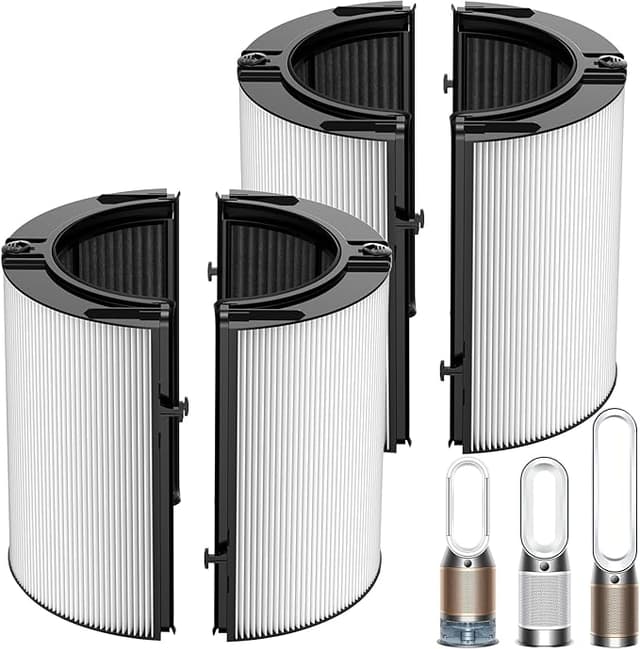
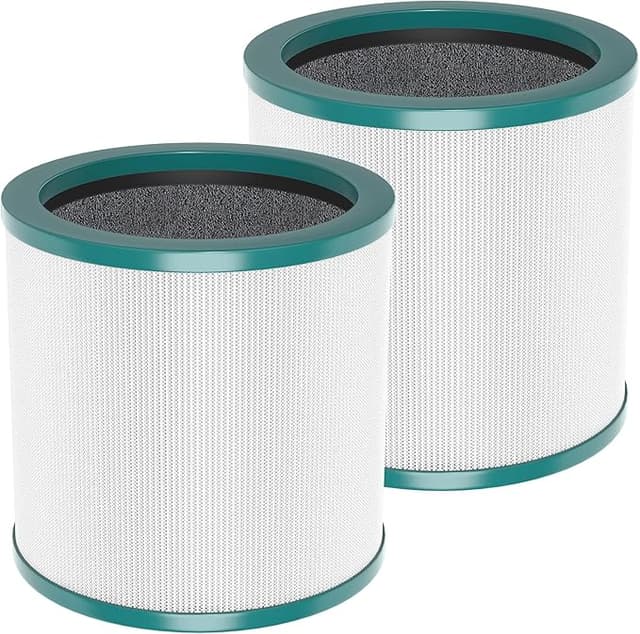
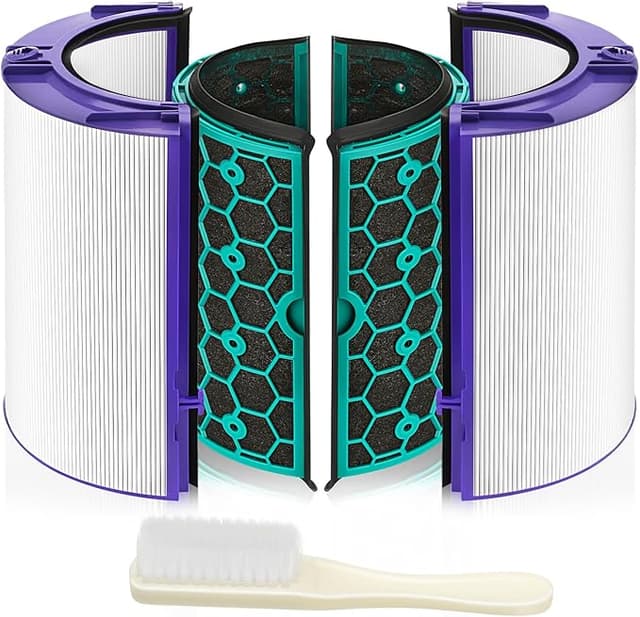
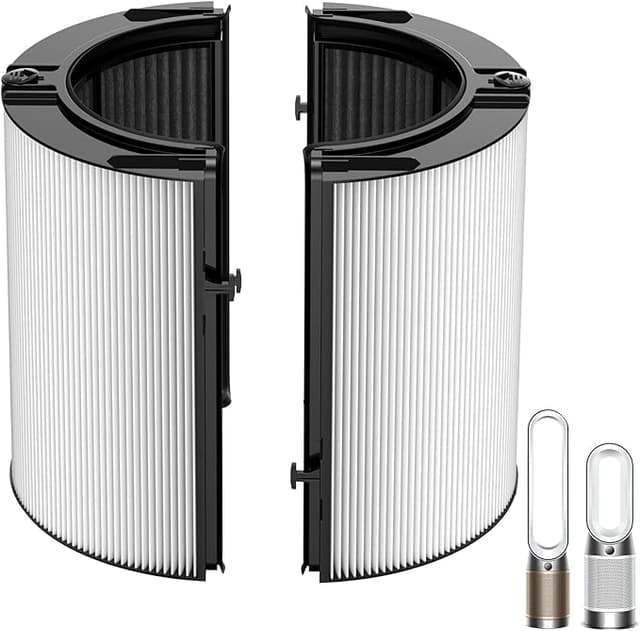
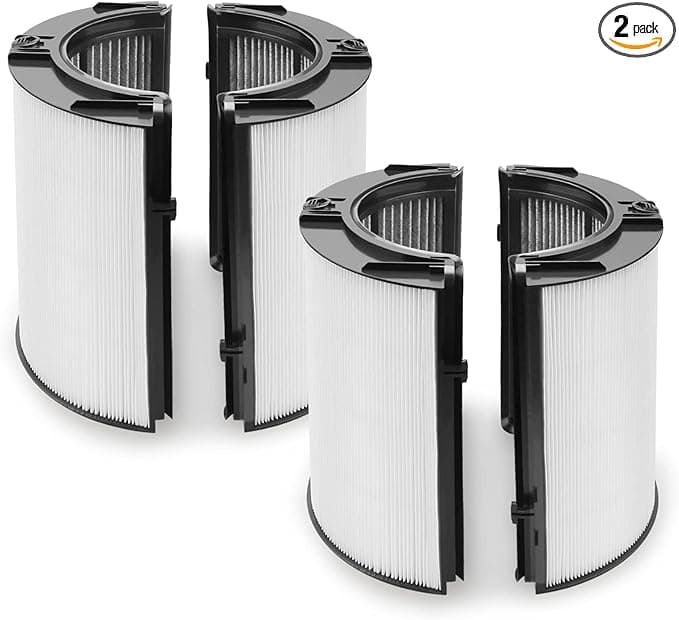
The compatible washable filter I ended up buying ran me well under half that. And the kicker — it's washable, so the math gets even better over time. Instead of dropping OEM money every several months when the sensor starts nagging, you rinse this one out and keep going. Run that out over two or three years and the savings stop being a nice-to-have and start being real money. That was the pitch, anyway. I was skeptical. A cheap filter for a Dyson sounded like exactly the kind of thing that fits badly and lets dust right through.
Does it actually fit the PH04?
This was my whole worry. Dyson builds these things to weirdly tight tolerances and I half expected the aftermarket part to sit loose and rattle. It doesn't. Pulled the dust bin, dropped the old filter, set the new one in — it seated with that little resisting press you want, where you can feel it bottom out and sit flush. Not loose. The frame's a hair less rigid than the OEM plastic, I'll be honest, you can feel it's a slightly cheaper mold when you hold the two side by side. But in the machine? Seats clean, locks in, the bin clicks back on like nothing's different.
One thing — and the instructions tell you this but it's worth repeating because I almost rushed it — if you rinse it, you have to let it dry all the way before it goes back in. Completely. I'm talking leave-it-overnight dry. I made the mistake of putting one back slightly damp once on a different unit and you do not want moisture sitting against a running motor. Rinse it, shake it, set it somewhere airy, and forget about it till morning.
How it actually performs
First thing I noticed when I powered the PH04 back up with the new filter in: the suction came back. Immediately. That tired, choked airflow was gone and the unit was pulling air through like it did when it was new. Over the next few days the room smelled clean again — that slightly stale heaviness lifted within a day. The compatible filter is rated to grab 99.9% of dust and allergens, and going by my nose and the fact that my morning allergy stuff calmed down, it's doing the work.
Where's it a touch behind OEM? If I'm being straight — there's a faint plastic smell the first two or three days. New-filter smell, the kind every aftermarket part has. It aired out and was gone by day four and I haven't noticed it since. And the washable membrane, after a few rinse cycles, doesn't look quite as pristine as a fresh OEM pleat. It still works fine. It just won't look factory-new forever. The packaging it showed up in was also nothing to write home about — thin box, no fancy Dyson presentation. I don't care what the box looks like. I care what comes out of the machine.
Who should skip this
If your PH04 is still under warranty and you're worried a third-party part might give Dyson an excuse to wriggle out of a claim, buy the OEM filter and keep your receipt. That's a real consideration and I won't pretend it isn't. Same goes if you genuinely never plan to rinse a filter and just want the absolute hands-off branded experience — pay the premium, it's your call.
But for me? I run this thing every night, I rinse the filter when it tells me to, and it's saved me a stack of money doing the exact job the expensive one did. The suction's back, the air's clean, my allergies settled. I bought a second one as a spare so I'm never caught with a wet filter and no backup. That's the real endorsement — I didn't just try it once and tolerate it. I bought it again on purpose. For the money, against a clogged motor and a $60 OEM tax, this is the one I grab.