Troubleshooting & Analysis
I bought the $20 one fully expecting to return it
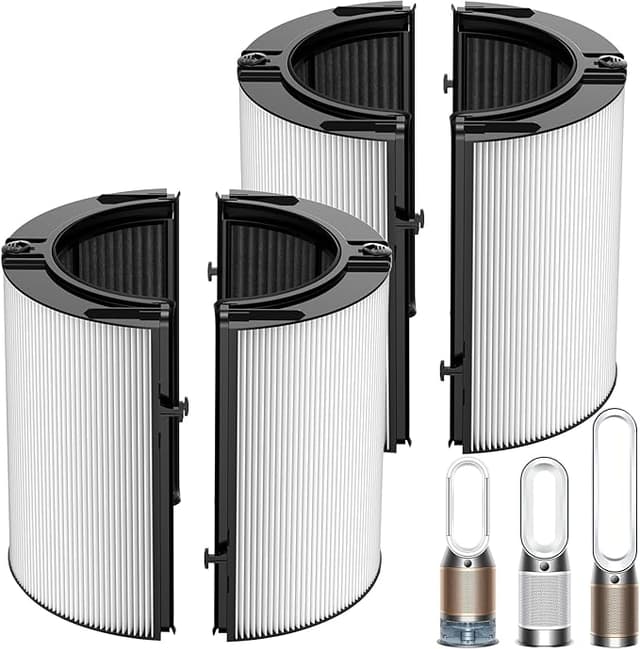
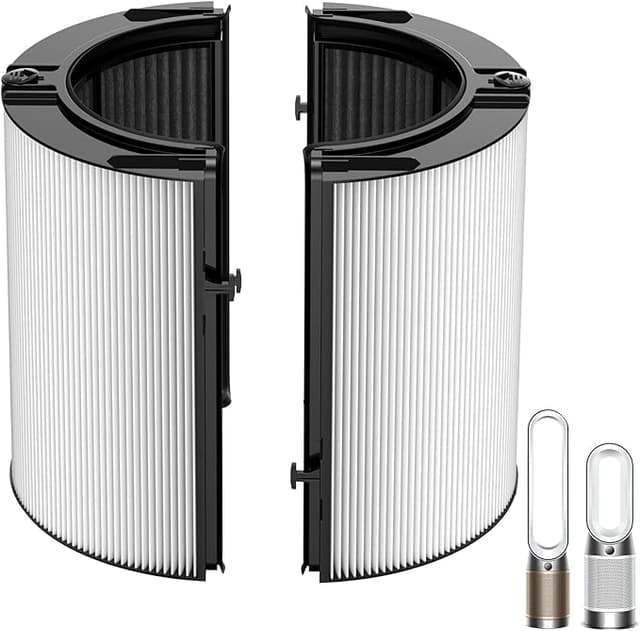
Here's the part I'm not proud of: I ordered the compatible filter for my Dyson HP01 already planning my one-star review. I'd convinced myself it was going to be flimsy, that it wouldn't seat right, that my purifier would start making that sad straining noise within a week. Twenty bucks for something Dyson wants forty-plus for? Come on. Somebody's cutting a corner, and I figured I'd be the one breathing it.
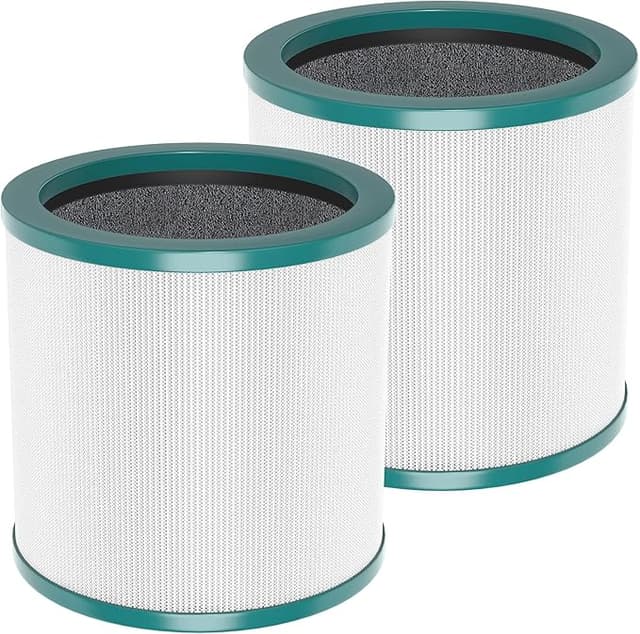
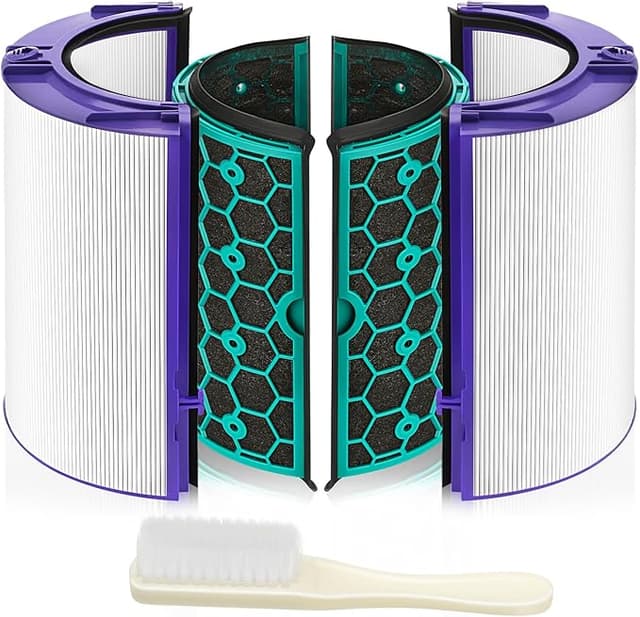
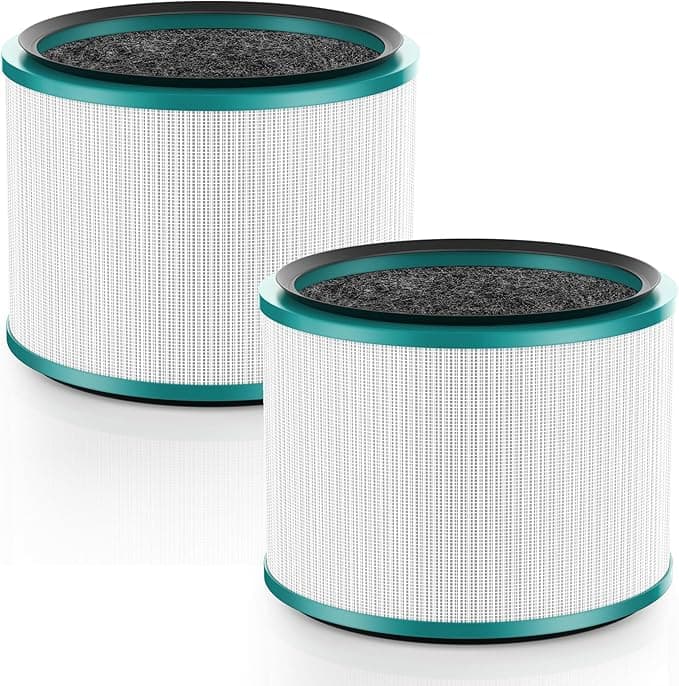
I've been running that same filter — part labeled Filter R, the washable one — for going on five months now. So let me actually tell you what happened instead of what I assumed would happen.
The money, because that's why you're here
The genuine Dyson replacement runs you somewhere in the forty-to-sixty range depending on where you catch it and whether they've decided to "bundle" it with something you don't need. The compatible Filter R I grabbed was right around twenty. Call it a $25 to $40 gap per filter.
Now here's where it gets interesting on a unit like the HP01: this one's washable. Dyson's official line is to swap the filter roughly once a year, but if you're rinsing and reusing a washable replacement, you stretch that. So the real comparison isn't even one-for-one. It's "pay forty-plus annually for the brand" versus "pay twenty once and rinse it every few months." Over two or three years that's not a rounding error. That's a tank of gas, a couple of dinners out. Real money for a part that sits inside a machine nobody ever looks at.
Does it actually fit, though
This was my big fear, because a filter that's 95% right is somehow worse than one that's flat-out wrong — it goes in, it kind of works, and it leaks unfiltered air around the edges the whole time. So I paid attention here.
Pulling the old one is dead simple on the HP01: pop the dust bin off, slide the old filter out. The compatible Filter R went in with that same firm seat — there's a little resistance right at the end, and then it sits flush. I'll be honest, the frame felt a hair less rigid in my hand than the Dyson original. Not loose once installed, just... lighter plastic. The kind of thing you notice holding it, not the kind of thing that matters once it's clicked in and the bin's back on. I checked the seal by feel around the edges and there was no gap. It seats.
One real install note: because it's washable, after you rinse it you have to let it dry completely before it goes back in. I mean bone dry, overnight on a towel. I got impatient the first time, put it back slightly damp, and got a faint musty smell for a day until it finished drying out inside the unit. That's on me, not the filter. Don't rush that step.
How it actually performs
The honest read after five months: for everyday dust and the general "is the air in here stale" job, I genuinely cannot tell it apart from the Dyson original. My bedroom unit runs overnight, and the dust that used to gather on the nightstand is just as gone as before. The Filter R is rated to catch 99.9% of dust and allergens, and in lived-in terms — a guy with a cat, in a not-especially-clean apartment — it holds up.
Where I'd give the OEM a slight edge: heavy odor and the really fine stuff. If I'm cooking something aggressive and the kitchen air drifts in, the compatible filter clears it, but maybe a touch slower than I remember the original doing. Could be five months of use talking. Could be a genuinely small gap in the carbon layer. I'm not going to pretend I ran lab tests — I didn't. For pollen, dust, pet dander, the daily stuff most of us actually run an HP01 for, it's been a wash.
The downside I keep coming back to
Two, actually. The packaging is cheap — it showed up in a thin plastic sleeve, a little crushed at one corner, and there was a faint plastic smell the first two or three days of running it. That faded and never came back. The other is just the build-quality thing I mentioned: lighter frame. It hasn't caused a single problem, but if you're someone who swaps filters roughly and yanks things around, treat it a little gentler than you would the Dyson.
And look — the reason any of this matters isn't snobbery about brands. A clogged or poorly-sealed filter on the HP01 makes the motor work harder to pull air through, and a saturated filter can start pushing dust back into the room instead of trapping it. That's the actual stakes. So the question was never "is the cheap one as fancy" — it's "does the cheap one seal and breathe properly so the machine stays healthy." This one does. I've had zero straining noise, zero overheating, zero airflow drop-off.
So who should skip it
If you've got someone in the house with serious respiratory issues and you want the exact validated carbon-and-HEPA spec Dyson certifies — buy the OEM. Pay the premium, sleep easy, no argument from me. And if the thought of a slightly lighter frame is going to nag at you every night, your peace is worth forty bucks; get the original.
Everybody else? I went in expecting to write a takedown, and instead I've reordered the Filter R once already. It fits, it seals, it does the job, and it costs less than half. I didn't believe a twenty-dollar filter could be fine either. Five months in, mine is — and that's the only reason I'm telling you to grab it.