Troubleshooting & Analysis
Forty-one dollars. For ink.
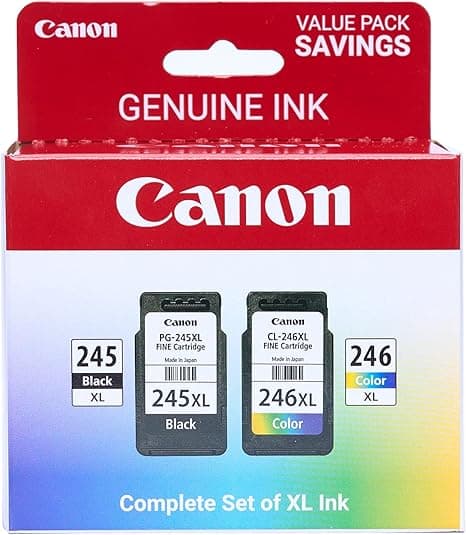
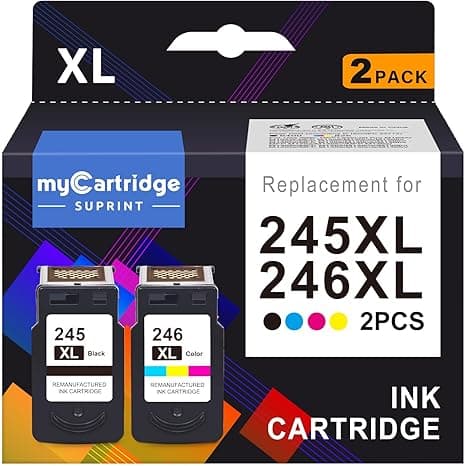
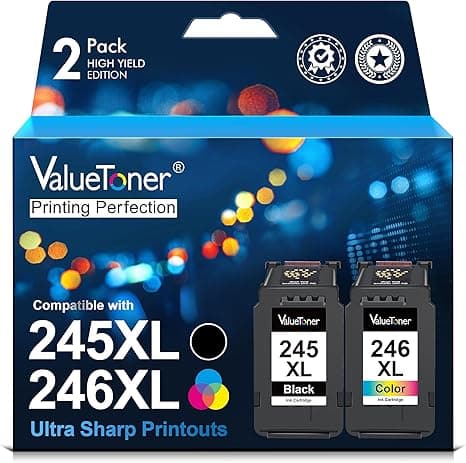
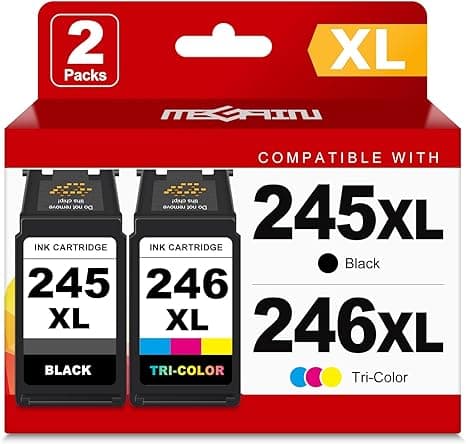
That was the number that stopped me. I'd run my Canon 2820 dry mid-way through printing my kid's school recital tickets — low-ink warning blinking, the page coming out streaky — and I went online to grab a genuine Canon 302 cartridge. Forty-one bucks. For a little plastic box of pigment that'd last me maybe two hundred pages before I was right back here. Meanwhile, sitting one row down in the search results, a compatible 302 cartridge for the 2924/2820/302 family: around $20. Same yield on the box. Half the money.
I'd been burned by cheap ink before — years ago, on a different machine, a no-name cartridge that bled and clogged a printhead I never fully recovered. So I was skeptical. But $21 saved every single time I refill, on a printer I feed constantly? I bought the compatible one to find out. I've now run several through that 2820, and here's the honest report.
The math is the whole argument
Let me lay it out plainly, because this is where it lives or dies. OEM Canon 302: roughly $41 a pop in my cart. The compatible cartridge for the 2924/2820/302: about $20. That's a $21 gap on one cartridge. I go through black faster than color, and I'm reloading something like five or six times a year between documents, shipping labels, and the endless stream of forms a household generates.
Five OEM refills a year is over $200. Five compatibles is around $100. So we're talking roughly a hundred dollars a year, on one home printer, doing the exact same job. Scale that across the life of the machine — three, four years — and the savings quietly buy you the next printer. The OEM markup isn't paying for better ink. It's paying for the Canon name on the shrink-wrap.
Does it actually fit and click?
This was my first worry, because a cartridge that won't seat is forty cents of plastic and a wasted afternoon. It fit. I popped the cover, waited for the carriage to slide over and stop — the 2820 does this little hesitation before it parks, give it a second — pressed the tab to release the old one, and it let go clean. The new compatible cartridge has the same footprint as the Canon. I peeled the protective tape off the contacts and the vent (don't skip the vent tape — air starvation is what causes half the "bad cartridge" complaints online), and pushed it in until I felt that solid click. Ran a test print. Came out right the first time.
One small thing: the tab on the compatible felt a hair stiffer to release on a couple of units, and the plastic is visibly cheaper — slightly rougher seams, the kind of molding you notice if you're looking. But it seated to the same depth and the cover closed without forcing. No fit complaints.
How it actually prints
Text is where it genuinely matches OEM. Black document printing — invoices, labels, my daughter's homework — comes out sharp, dark, no graying. I held a compatible-printed page next to an OEM one under a lamp and could not tell them apart on plain paper. For the 90% of what a home printer does, this is a non-issue.
Color is where I'll be straight with you: it's good, not flawless. On regular printing — colored charts, a logo, a kid's drawing — vivid and accurate. Where I noticed a small step down from genuine Canon was on a glossy photo print, where the OEM had a touch more depth in the darker reds and the compatible read very slightly flatter. We're talking a difference you'd only catch in a side-by-side. If you're printing gallery photos, this matters. If you're printing the things a 2820 owner actually prints, you will never see it.
The downsides — and there are real ones
I promised honesty, so here's the full list, not the polished version.
First, the first-print smell. The first page or two off a fresh compatible cartridge had a faint chemical odor — that printer-ink-plus-something smell. It cleared after the first few pages and never came back, but it's there on install, and it's stronger than OEM. If your printer lives on your desk inches from your face, crack a window for the first sheet.
Second, consistency between cartridges. This is the real one. With genuine Canon, every cartridge is identical. With compatibles, I had one out of a batch that primed slower — the first three or four prints had faint banding until the ink fully fed through, then it normalized completely. Annoying, but it self-corrected, and it was one out of several. The fix is dead simple: run a head-cleaning cycle or just print four or five test pages before you need anything important. Budget two minutes on install and you sidestep the whole issue.
Third, the packaging is cheap and a little anxiety-inducing — thin plastic, generic printing, none of the reassuring heft of the Canon box. It feels like less product. It isn't; it's just less marketing. But if unboxing confidence matters to you, know that going in.
Why a dead or starved cartridge isn't just annoying
People treat low ink as a minor inconvenience until it bites. Here's the thing — running a cartridge bone-dry and then forcing prints can pull air through the printhead, and on inkjets that's how you get clogs that outlast the cartridge itself. The cheap insurance isn't OEM ink; it's simply not running empty. And when a refill costs $20 instead of $41, you actually keep a spare on the shelf instead of white-knuckling it to the last drop the night before something's due. The affordability is what keeps the machine healthy. That's the quiet benefit nobody advertises.
Who should skip it — and what I do
If you're a photographer printing portfolio work on glossy stock where deep-shadow color fidelity is your whole product, buy the genuine Canon 302. That small color edge is worth $41 to you, and I won't pretend otherwise.
For literally everyone else with a 2924, 2820, or a 302-compatible Canon — the people printing documents, labels, school stuff, the occasional photo for the fridge — I grab the compatible cartridge every time now. It seats right, the text is identical, the color is a whisker behind on glossy and invisible everywhere else, and it costs roughly half. I dealt with one slow-priming unit and a day-one smell, and I'd still buy it again. I have. Three times this year, and the printer's running fine.
Twenty dollars versus forty-one, for the same page on the same machine. Once you've done that math, the OEM box just looks like a name tax.