Troubleshooting & Analysis
Forty-something dollars. For ink. For a printer I paid sixty for.
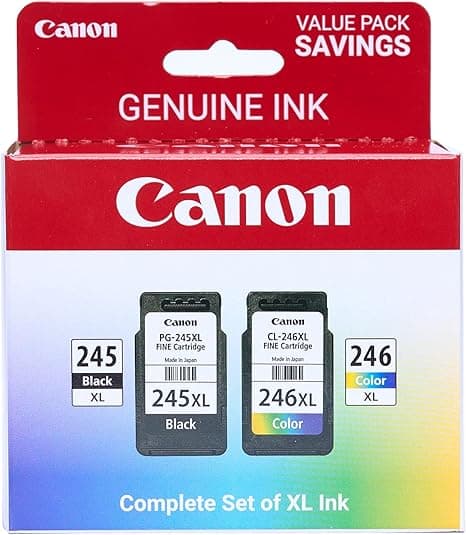
That was the moment. Standing in the office-supply aisle holding a genuine Canon black-and-color combo, watching the price tag basically match what the printer itself cost me. The OEM 245XL high-yield runs in the $40-plus range for a combo pack. The compatible 245XL I'd been eyeing? Roughly half — call it a $20 difference per refill cycle, and I burn through a few of those a year. So I did the math standing right there: two refills and the compatible cartridges had already saved me more than the printer was worth. That's not a deal. That's a little absurd.
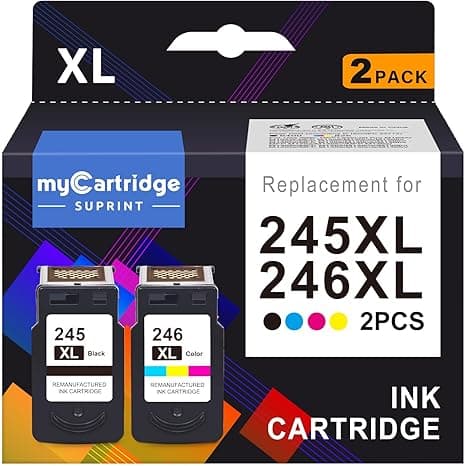
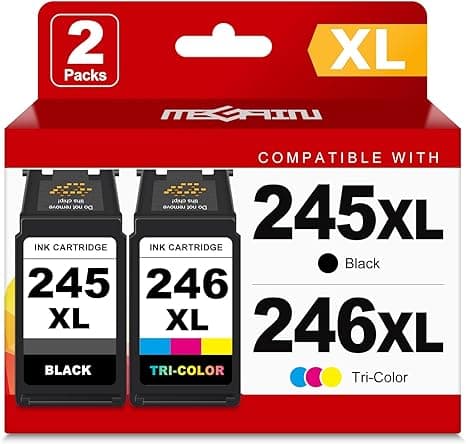
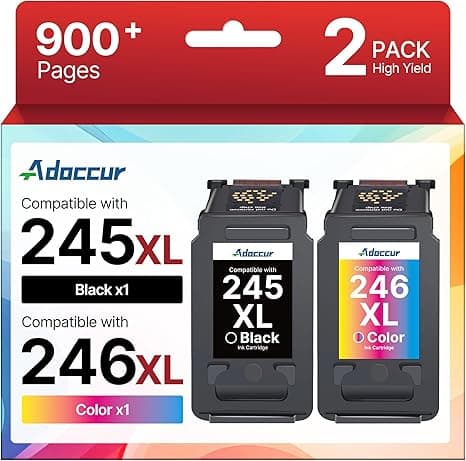
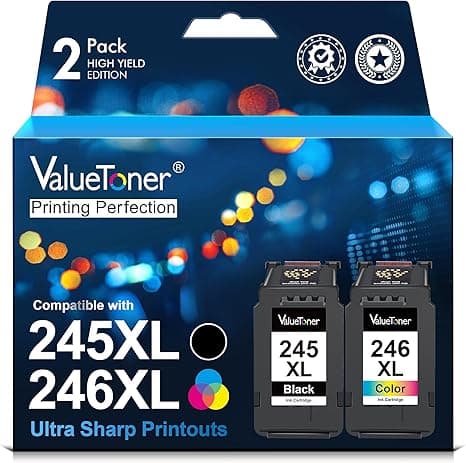
I'd put it off for a year because I didn't trust it. You hear the horror stories — clogged heads, "non-genuine cartridge" lockout screens, faded prints that look like they were run through a wet sock. So I finally just bought the compatible 245XL for my Canon (the 245XL/2924/24 setup) and ran it through everything I normally print. Tax forms. Kid's school stuff. A batch of shipping labels. Photos for my mom's fridge. Here's the honest report.
The price gap, laid out flat
Genuine high-yield 245XL: hovering around $40 for the combo. The compatible equivalent I bought: under $25, and I've seen the multi-packs work out to even less per cartridge. Call the real-world savings somewhere around $20 every time I replace. I print maybe four or five cartridges' worth a year between black and color, so that's roughly $80-$100 a year I'm just… not handing to a brand for the privilege of the logo. The cartridge is doing the same job. The ink hits paper the same way. The savings are real and they're not subtle.
Install: it clicks, and that's the whole story
This is where I expected drama and got none. You open the cover, the carriage slides over and parks itself, you press the little tab to pop the old cartridge out — and here's the one thing people forget — you peel the protective tape off the new one before you seat it. Sounds obvious. I've watched someone skip it and then panic when nothing printed. Pull the tape. Drop the new cartridge in, push until it clicks. That click is the same satisfying seat you get with the genuine one. No wobble, no gap. Then run a test print, which the printer basically begs you to do anyway.
Total time, start to finish, maybe ninety seconds. The carriage recognized it. No fighting, no re-seating three times. If the contacts ever read funny on first insert — rare, happened once across all my swaps — pop it out, wipe the gold contact strip with a dry cloth, reseat. Fixed it instantly. That's it. That's the "hard part."
How it actually prints
Black text: I genuinely cannot tell the difference. Sharp, dark, no feathering on regular copy paper. I printed a 40-page document and the last page looked like the first. Color on plain paper for charts and label graphics — also a non-issue, vibrant enough that nobody's squinting.
Photos are where I'll be straight with you. On glossy photo paper, side by side with a genuine print, the compatible color is a hair less rich in deep blues and skin tones — a touch cooler, slightly less punch in the shadows. If you laid them next to each other you'd maybe notice. If you handed someone the compatible print by itself, they'd never know. For 95% of what a home printer does, it's a wash. If you're a photographer printing portfolio work, buy OEM. For literally everyone else, this is more than fine.
The real downsides — and there are a few
I promised honest, so here's honest. First: the lockout warning. Your Canon will likely throw a "this cartridge is not a genuine Canon cartridge" message the first time, and sometimes the ink-level monitor goes dumb — it'll stop telling you how full the tank is, or show a question mark. You dismiss the warning (usually a press-and-hold on the stop button for five seconds) and it prints fine, but you lose the ink gauge. Practically, that means I just keep a spare on the shelf and swap when prints start streaking, the old-fashioned way. Mildly annoying. Not a dealbreaker. But you should know it's coming so you don't think you got a dud.
Second: consistency between units. Compatible cartridges are made in big batches by various third parties, and quality control isn't quite as tight as the brand. Across the ones I've bought, the vast majority were perfect — but I had one color cartridge out of maybe a dozen that primed a little slow and needed two cleaning cycles before it ran clean. One out of twelve. The seller replaced it without a fuss. With genuine cartridges you basically never see that. So factor in the occasional lemon. At half price, I'll take the odds.
Third, the small stuff: the packaging is cheap. Thin plastic clamshell, no fancy box, the label print is a little crooked. The cartridge body plastic feels a touch lighter than genuine. None of that affects the ink — it just doesn't feel as premium in your hand. If unboxing matters to you, this'll bug you for four seconds and then you'll forget about it.
Why a dried-out cartridge is its own problem
Here's the thing nobody mentions: the worst outcome with any printer isn't a bad cartridge, it's an empty one at the wrong moment. Running a printhead near-dry, or leaving a cartridge in past empty, is how you actually risk clogging — the ink that's supposed to keep the nozzles wet isn't there. The cheaper the refill, the more willing you are to just swap early and keep things flowing instead of squeezing every last drop out of an expensive genuine cartridge out of guilt. That low-ink anxiety where you're babying a $40 cartridge through one more job? Gone. I keep two compatibles on the shelf and swap the second a print looks thin. That habit alone has probably saved my printhead.
Who should skip this — and who should grab it
Buy genuine Canon 245XL if you print gallery-grade photos for a living, or if a fussy ink monitor would genuinely drive you up a wall. That's a real, narrow group and I respect it.
Everyone else — home offices, students, parents, anyone printing documents, forms, labels, and the occasional fridge photo — I'd grab the compatible 245XL without a second thought. Same click, same crisp black text, half the price, around $20 back in your pocket every refill. The lockout warning is a shrug. The rare lemon gets replaced. And I'm not handing forty bucks to a logo for ink I can get for twenty.
I didn't trust it either. Now it's the only thing I load. For the money it's an easy call — and I've bought it again, twice.