Troubleshooting & Analysis
I didn't believe a $20 filter could be fine either
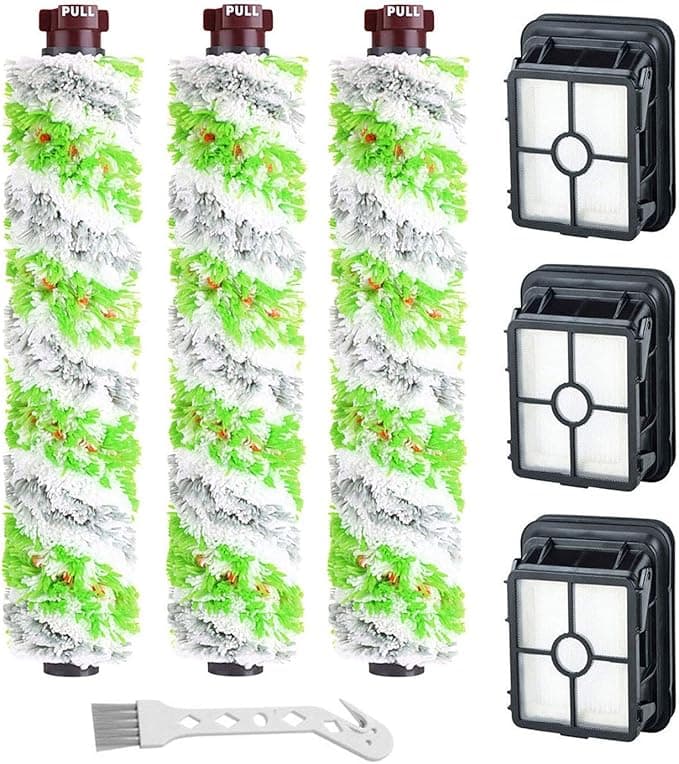
Here's where I started: I'd already replaced the filter in my Bissell CROSSWAVE twice with the genuine Bissell part, and both times I winced a little at the register. So when the third one wore out and I saw a compatible "Filter R" for less than half the price, my first reaction wasn't excitement. It was suspicion. Cheap means cheap, right? I figured the foam would be flimsy, the fit would be sloppy, and I'd be back to buying OEM within a month — just with twenty bucks wasted in between.
So I bought one specifically to call it out. I've been running it for about four months now, and I owe it an honest report, because it didn't go the way I expected.
The price gap is the whole reason you're here
Let's be blunt about the math, because it's the only reason anyone shops aftermarket. The Bissell-branded filter for the CROSSWAVE runs in the range where you feel it. The compatible Filter R I bought was less than half that. If you're like me and you actually use your machine — I do floors most weekends, plus the occasional mid-week mess — you're swapping or deep-cleaning that filter a few times a year. Stack that up over the life of the vacuum and the OEM premium isn't pocket change. It's the cost of a couple of replacement machines' worth of filters, honestly.
And the thing is, this is a filter. It's foam and plastic and a mesh that traps dust. It is not a precision-machined motor part. That was the realization that finally got me to click buy: there's only so much engineering inside a washable vacuum filter, and the gap between a $40 one and a $20 one is mostly the name printed on the side.
Does it actually fit? This was my real worry
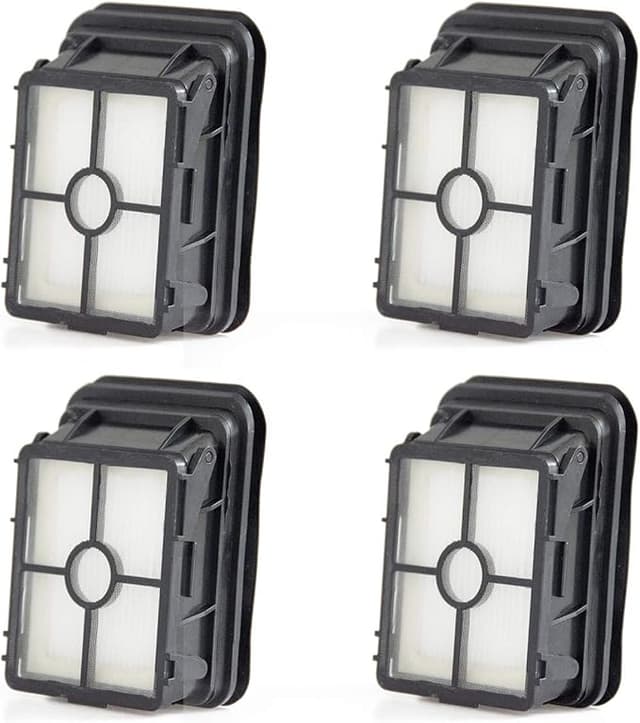
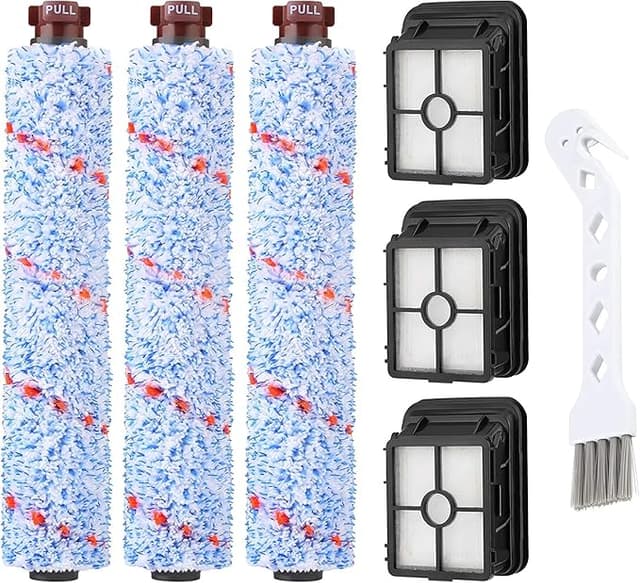
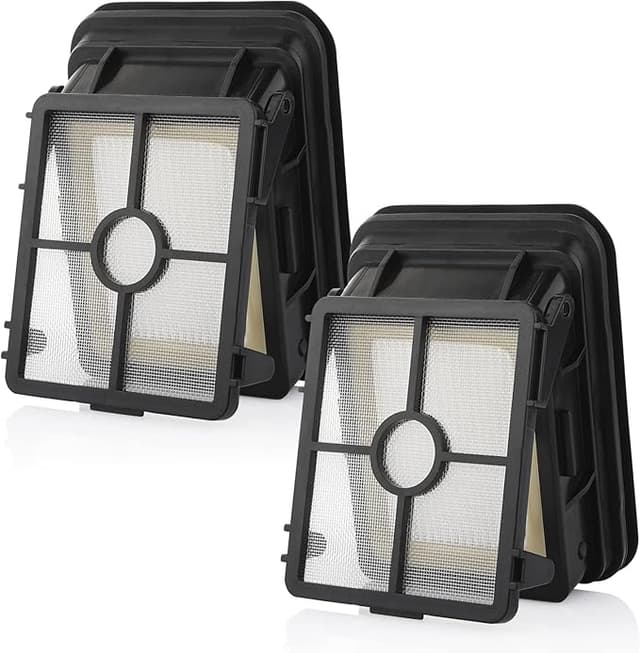
Fit is where these compatible parts usually fall apart, so this is where I looked hardest. The CROSSWAVE filter sits down in the dust bin assembly — you pop the bin off the machine, lift the old filter out, drop the new one in. Four steps, no tools, the kind of thing you can do over the trash can in under a minute.
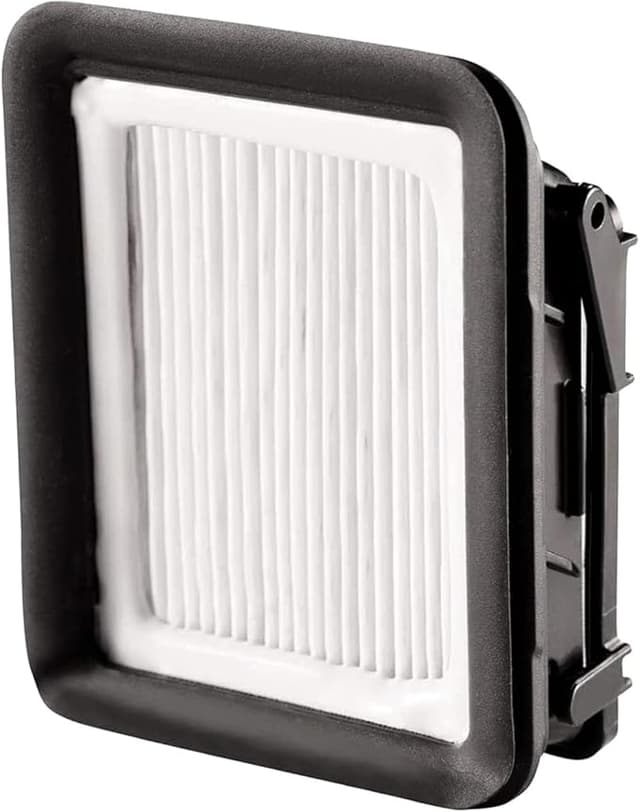
The Filter R seated. It went in the way it's supposed to, the bin locked back onto the body with the same click I'm used to, and there was no gap where dirty air could sneak around the edge. I will say the frame felt a hair less rigid than the Bissell one when I held the two side by side — slightly softer plastic, a touch more flex if you squeeze it. In the bin, with the lid closed, none of that matters. It holds its shape exactly where it needs to. But if you're someone who judges quality by how a part feels in your hand before it's installed, you'll notice.
How it actually cleans
This is the part that mattered most to me, and it's where I expected the let-down. A dying filter in a CROSSWAVE is genuinely bad news — clogged foam chokes the suction, the motor works harder to pull air through, and it runs hot. I've felt a saturated filter kill the pickup mid-job, and on a wet-dry machine that's not just annoying, it's the kind of thing that shortens the motor's life.
The Filter R restored my suction the moment I dropped it in. Full pull again, the rollers grabbing debris the way they did when the machine was new. Bissell rates these to capture the fine dust and allergens, and in practice I couldn't tell a difference in what came up off the floor — pet hair, grit, the dusty film along the baseboards, all gone in the usual passes. It's washable, too, which is the part people forget: you rinse it under the tap, let it dry all the way, and reuse it. Same routine as the original.
One real caveat on that drying step, and it's not the filter's fault — it's the CROSSWAVE's. You have to let it dry completely before it goes back in. Damp foam plus a running motor is asking for a musty smell and worse suction. I learned to rinse mine the night before so it air-dries overnight. The compatible foam seemed to dry at the same rate as the OEM, no slower.
The downsides, because there are some
It's not a flawless clone. Two things, honestly. First, that first day out of the bag, there was a faint plastic-and-foam smell — not strong, but there. It aired out within a day of normal use and I haven't smelled it since. Second, the packaging is bare-bones. The Bissell box feels like a product; this showed up in a thin plastic sleeve with a label. That's where your twenty dollars went, and I'm fine with it, but if unboxing matters to you, lower your expectations.
Neither of those touches how it performs. They're the small tells of a budget product, and after four months they've stopped registering for me.
Who should skip it — and why I keep buying it
If your CROSSWAVE is still under warranty and you're the type who worries a non-Bissell part could give them an excuse to deny a claim, buy the OEM and sleep easy. That's a legitimate reason, and I won't talk you out of it. Same if you simply want the exact factory part with the box and the branding — no shame in that.
But for me? I went in expecting to write a takedown of a cheap filter, and instead I'm on my second Filter R. It fits, it cleans, it washes out and goes back to work, and it does all of that for less than half what I was paying. The skeptic in me got quiet. For the money, doing the same job, I'd buy it again — and I have.