Troubleshooting & Analysis
I didn't believe a $20 filter could be fine either
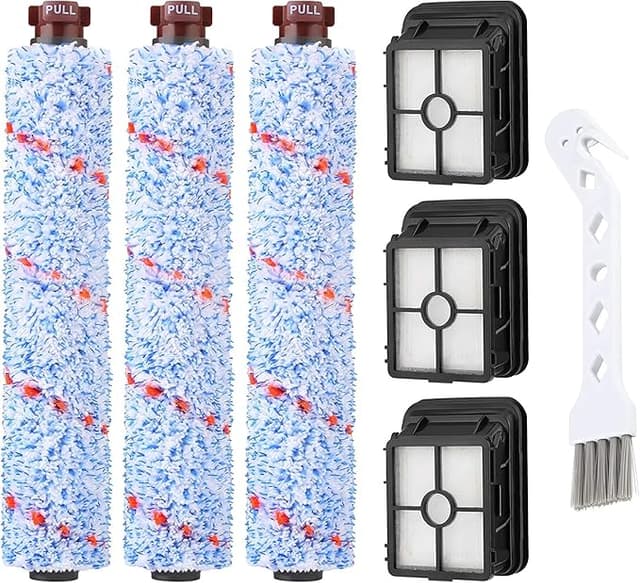
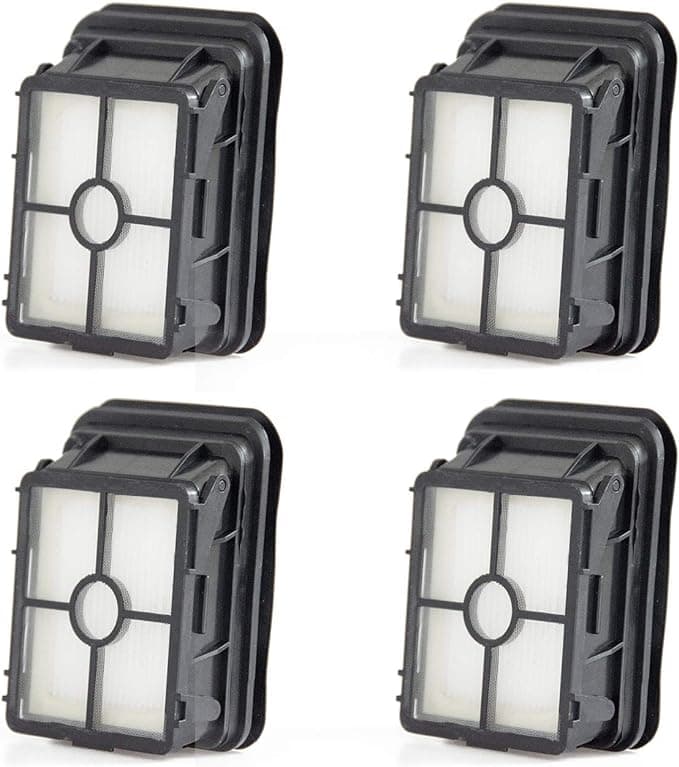
Here's where my head was at. My CROSSWAVE had lost its bite — suction felt soft, the water tank smelled a little swampy, and I traced it back to a filter that was honestly gross. So I went looking for a replacement, found Bissell's own running somewhere north of forty bucks for a small pack, and right next to it sat a compatible washable one for about twenty. And I just thought: no. A filter is a filter is a filter, and the cheap one is going to be flimsy garbage that lets dust blow back into my living room. I almost paid full OEM price out of pure superstition.
I didn't. I bought the cheap one to prove myself right. It's been on the machine for going on five months now, and I was wrong, mostly. Let me walk you through it.
The money, before anything else
This is the part that made me actually do the math instead of just flinching. The CROSSWAVE filter isn't a once-a-year thing if you use the machine like I do — kids, a dog, a kitchen floor that sees real traffic. I'm swapping or deep-cleaning roughly every couple of months, and even on a washable filter you eventually want a fresh one because the foam packs in and stops rinsing clean. Run that out over a year on OEM pricing and you're looking at real money for what is, at the end of the day, a molded plastic ring and a chunk of foam. The compatible washable one cut that close to in half. Over two or three years of owning this vacuum, that gap stops being a rounding error.
Does it actually seat right?
This was my real worry — not performance, fit. A loose filter is worse than a dirty one because it lets unfiltered air sneak around the edge. So the first thing I did when it showed up was pull the dust bin off the CROSSWAVE, yank the old filter, and drop this one straight in to compare.
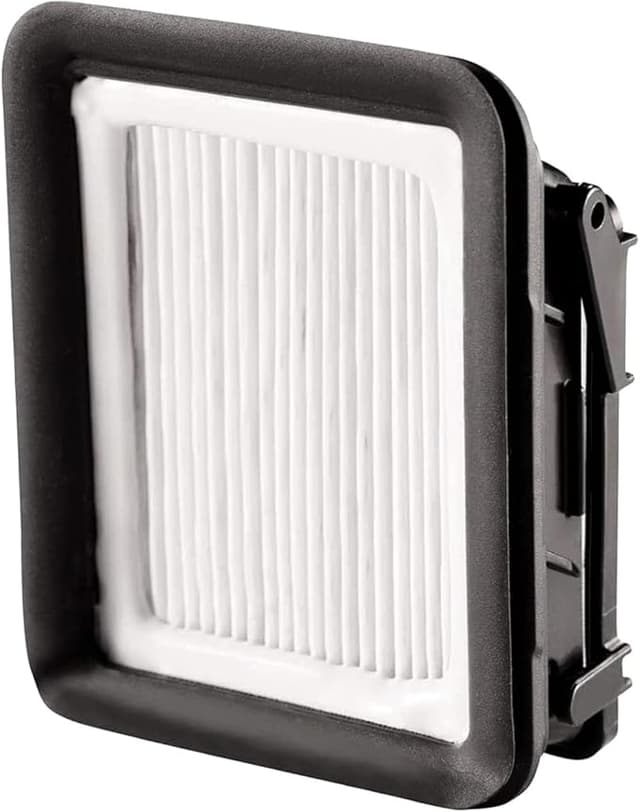
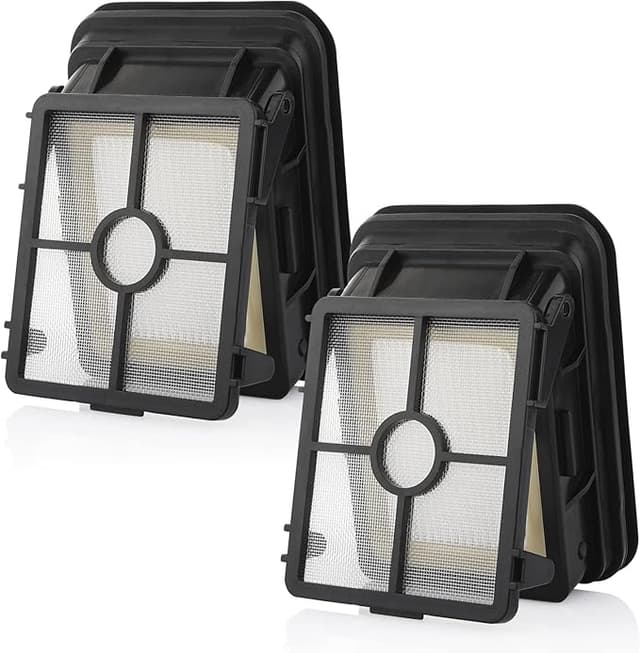
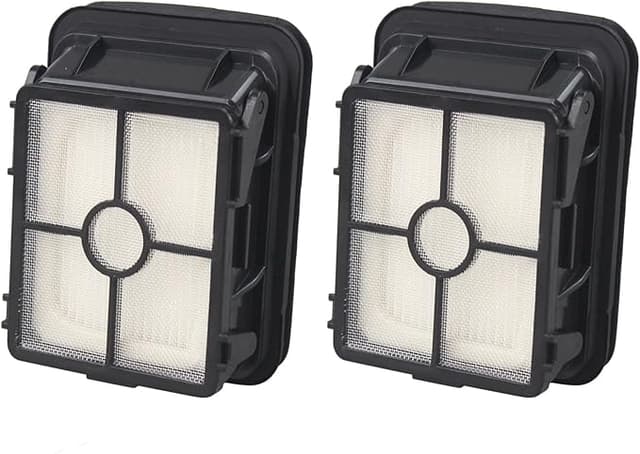
It fits. The outer frame is a hair looser in the hand than the Bissell original — you can feel it's a slightly softer plastic, a touch less precise at the mold seams. But it seats into the bin with that same little resistance-then-settle that tells you it's home, and once it's in and the bin clicks back onto the body, there's no play, no gap you can wiggle. I went looking for a problem and didn't find one. Rinse it under the tap, let it dry completely — and I mean completely, overnight, because installing a damp filter is how you get that swampy smell back — and it goes right back in.
How it actually cleans
Suction came back. That's the honest headline. The soft, tired pull I'd been living with sharpened up to where the CROSSWAVE was lifting standing water and grit off the floor in one pass again, the way it did when it was new. Bissell rates these to grab the fine stuff — dust, the allergen-grade particles you can't see — and in practice the exhaust stopped smelling dusty and the tank water came back dirtier, which is exactly what you want. Dirtier tank means it's actually pulling the mess off the floor instead of smearing it around.
Is it dead-even with OEM? If I'm being straight with you — it's a touch behind on the very fine end. The OEM foam felt a little denser when I had them side by side, and I'd guess on the finest dust the original has a slim edge. For everyday floor cleaning I genuinely cannot tell the difference in the result. If someone in your house has serious allergies and you're counting on the filter as a real air-quality line of defense, that small gap might matter to you. For me, mopping up dog prints and cereal, it doesn't.
The downside I'm not going to hide
Two things. The packaging is cheap — thin plastic bag, no real protection, and one of mine arrived with a slightly compressed corner on the foam that puffed back out but didn't inspire confidence. And there was a faint plastic-and-foam smell the first two or three days. Not chemical-bad, just new and a little off, the kind of thing you notice for a week and then never again. If you're sensitive to that, rinse it and air it out a full day before the first use and you'll skip most of it.
And the why-it-matters part, because it's real: a clogged or saturated CROSSWAVE filter doesn't just clean worse. It chokes airflow, the motor works harder and runs hotter to compens, and a hot motor is a motor you're shortening the life of. Whatever filter you put in, the actual rule is don't let it pack solid — rinse it on schedule, dry it fully, swap it when the foam won't come clean anymore. The cheap filter doesn't change that math. It just makes staying on schedule cost less, which, weirdly, made me more diligent about it.
So who should skip it
If your CROSSWAVE is under warranty and you're the type who wants zero variables if anything ever goes sideways with a claim, buy the Bissell original and sleep easy — that's a legitimate reason and I won't argue it. Same if a household member's allergies make that last sliver of fine-dust capture non-negotiable.
Everybody else? I went in looking to confirm that twenty-dollar filters are junk, and instead I've now run one for almost half a year, watched my suction come back, and watched the only real flaws turn out to be a cheap bag and a three-day smell. For that kind of savings, doing the same job on my floors, I'd buy it again. I already have — the spare's sitting in the cabinet for the next swap.