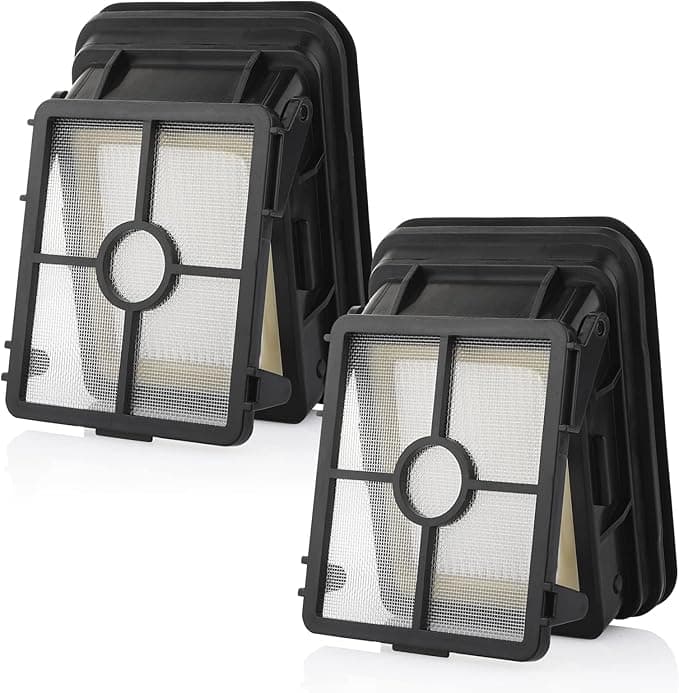
Troubleshooting & Analysis
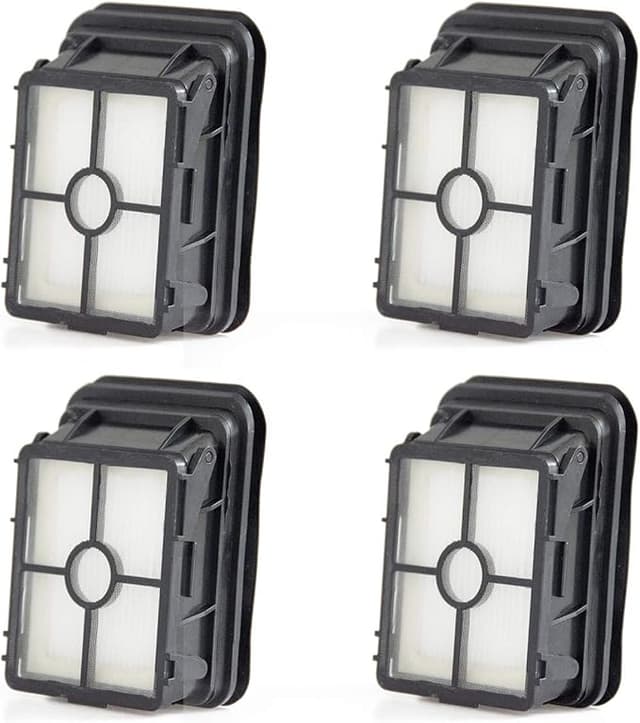
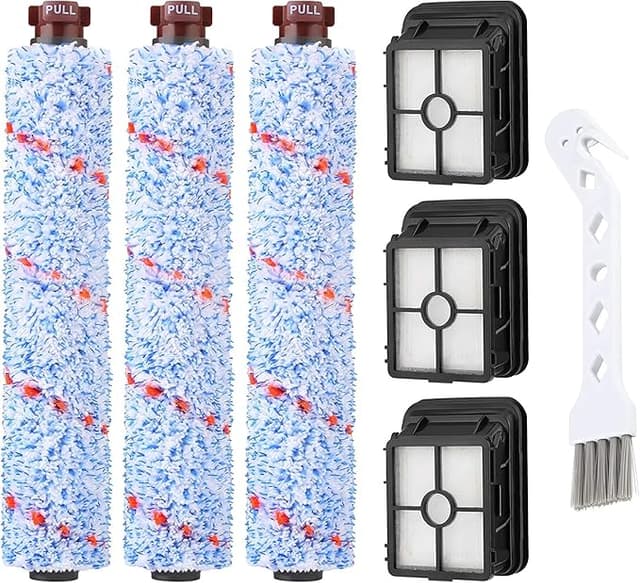
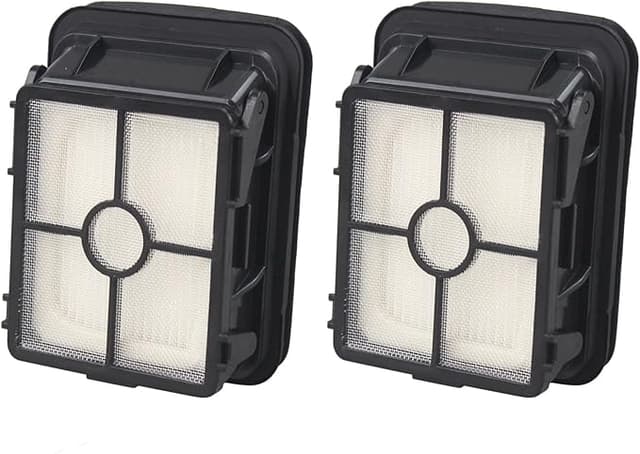
Forty-some dollars. That's what Bissell wanted for a replacement filter set the first time my 2590's suction went soft and I went looking. Forty dollars for a circle of foam and a pleated pad — parts that, if I'm being honest, look like they cost the factory about a buck-fifty to stamp out. Meanwhile the compatible set sitting one row down in the search results was running me twelve, fourteen bucks for two of them. I stood there doing the math like an idiot in the kitchen: same machine, same hole the filter drops into, roughly a quarter of the price. So I bought the cheap one. Then I spent four months waiting to be proven wrong.
I wasn't. Mostly.
The price gap is the whole story — and it's bigger than you think
Here's the part nobody spells out. A filter like this isn't a once-a-year thing if you actually vacuum. I rinse mine every few weeks and swap it outright a couple times a year, more if I've been doing post-renovation dust or chasing dog hair off the stairs. Run the OEM math at that cadence and you're looking at sixty, eighty bucks a year just feeding the machine that's supposed to be saving you money. The compatible filters drop that to maybe fifteen, twenty. Over the life of a 2590 — and these things last — that's the difference between the vacuum paying for itself and the vacuum quietly nickel-and-diming you for parts forever.
And the kicker: this is a washable filter. You're not even consuming it the way you'd burn through a HEPA cartridge. You rinse it, dry it, reinstall it. So a big chunk of what the OEM premium buys you is the privilege of paying brand-name prices for a thing you wash in your sink anyway. That stung enough that I never went back.
Does it actually fit, or do you fight it?
This was my real fear. A water filter that's a hair off still threads in. A vacuum filter that's molded a millimeter wrong rattles, leaks air around the edge, and you lose suction through the gap instead of through the filter — which defeats the entire point.
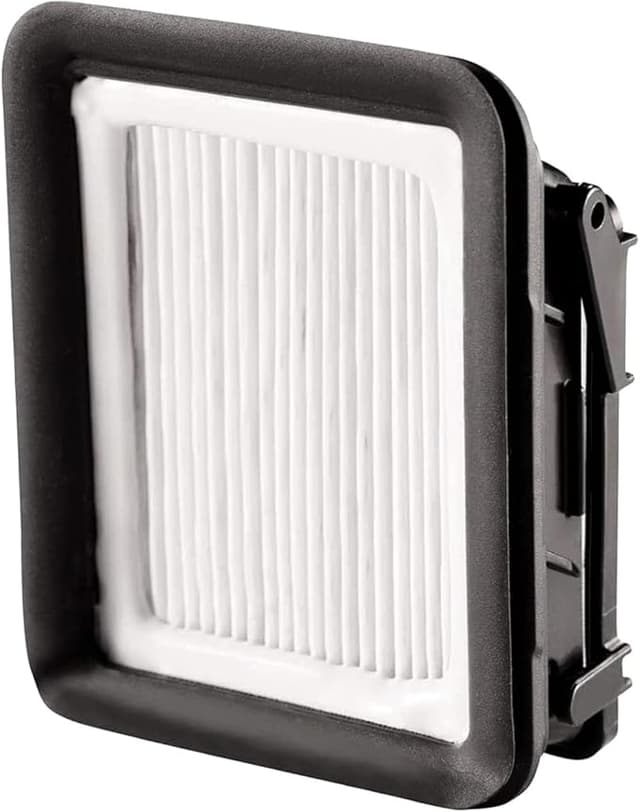
The 2590 makes this easy to check, thankfully. Pop the dust bin off, pull the old filter straight out, drop the new one in, snug the bin back on. The first compatible filter I tried seated with that same slightly-firm push the original had — there's a little resistance right at the end where it beds into the housing, and you want to feel that. If it drops in loose, that's your warning sign. Mine didn't. The frame was, I'll admit, a touch less crisp than the Bissell original — the plastic edge felt a hair softer, less precisely molded. But it filled the cavity and sealed flat. No whistle, no rattle, no air sneaking past. Suction came back the second I powered it on.
One thing I'd flag: let it dry all the way before you reinstall it. This is true of the OEM too, but it matters more here because the compatible foam holds water a little longer. I got impatient once, put a damp one back in, and got a faint musty smell on the exhaust for a day until it dried out in place. Give it a full day on the windowsill. Don't be me.
The honest performance read
On the thing that matters — pulling fine dust and allergens out of the air instead of blowing them back into the room — I genuinely can't tell the compatible from the original in daily use. The captured-dust claim of 99.9% is the kind of number I roll my eyes at on a box, but the practical test is simpler: does the exhaust smell clean, and does the suction hold? Mine did both. I ran it through a full spring of pollen season in a house with a shedding dog and never once felt like the air coming out the back was dirtier than the air going in.
Where it's a touch behind: the OEM foam felt a little denser, a little more substantial in the hand, and I'd believe it'll outlast the compatible by a few months over years of washing. The compatible pad started looking a bit tired — slightly fuzzed at the edges — by month four faster than I remember the original doing. But at a quarter of the price, I'll just buy three over the same span and still come out way ahead.
Why you can't just ignore a tired filter
Quick reality check, because this is the part people skip until their vacuum dies. A clogged or saturated filter on the 2590 doesn't just mean weak suction. The motor still tries to pull the same air through a blocked path, it works harder, it runs hotter, and over time that heat is what actually kills these machines. The dust that can't get trapped gets blown back out into the room — straight back into the air you're trying to clean. So the filter isn't an accessory. It's the thing standing between a working vacuum and a fifty-dollar paperweight that smells like burnt motor. Which is exactly why paying OEM ransom for it every time always bugged me.
So who should still buy the Bissell original?
If your 2590 is brand new and under warranty and you're the type who wants zero variables while that warranty is live — fine, run the OEM for now, it's a known quantity. And if you only vacuum once a month and the filter lasts you a year, honestly the price gap matters less; buy whatever's in front of you.
But for everyone else — for anyone who actually uses this vacuum, who's looking at a $40 box and a $14 box that drop into the exact same slot and do the exact same job — I grab the compatible one. I've now bought it three times. It fits, it seats with that reassuring little click of resistance, it pulls the dust, and it leaves enough money in my pocket that I stopped resenting my own vacuum. The OEM premium was buying me a logo and a few extra months of foam life. For a filter I wash in the sink, that was never worth four times the price. Buy the cheap one. Dry it all the way. You'll be fine.