Troubleshooting & Analysis
I stood in the Bissell aisle holding both, and almost talked myself into the wrong one
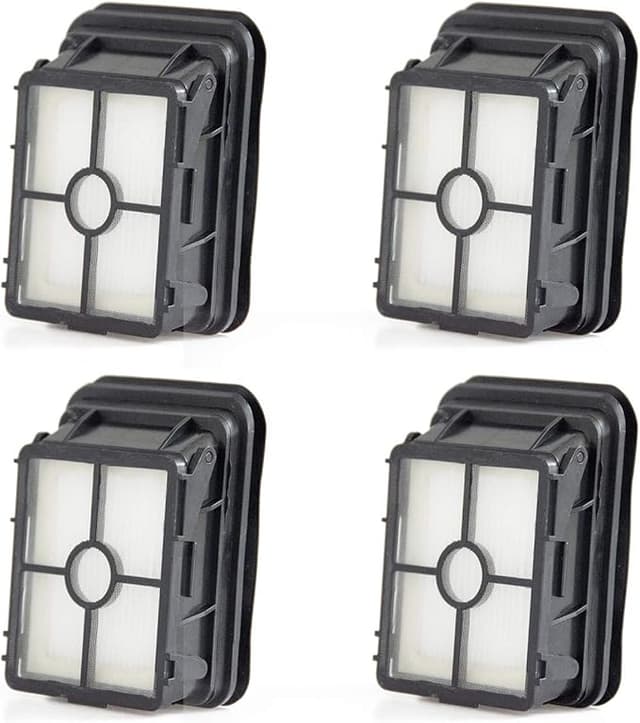
True story. I'm at the store with my CrossWave acting up at home — suction going soft, that warm-plastic smell when it runs too long — and I'm holding the real Bissell filter in one hand and a compatible one (part #1637755) in the other. The genuine one wanted the kind of money that makes you do math. The compatible was maybe a third of that. And I just stood there, because the cheap one always comes with that little voice: you're going to regret this, you're going to wreck a $250 machine to save twelve bucks.
I bought the compatible one anyway. That was a while back now, and I've run it long enough to tell you exactly where it's great and where it's not. So let me save you the aisle standoff.
The price gap is the whole reason you're reading this
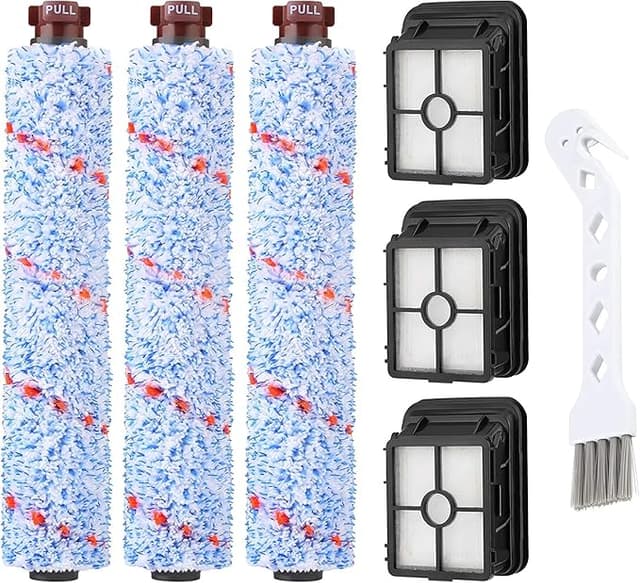
Here's the honest framing. A CrossWave doesn't eat filters fast — this is a washable one, so in theory you're rinsing and reusing, not constantly rebuying. But filters don't last forever. They get stained, the foam starts to break down at the edges, and at some point a rinse just doesn't bring the suction back. When that day comes, the OEM replacement stings. The 1637755-compatible runs a fraction of it, and it's the same job: trap the dust and gunk before it reaches the motor.
Run the math over the life of the machine. If you replace the filter even once a year because it's gone gray and floppy, you're either paying the Bissell tax every time or you're paying it once. Over three or four years that's real money — enough for, I don't know, a couple of refills of the cleaning solution that the thing actually drinks like water.
Does it actually fit, or is that the catch?
This was my big fear. CrossWave filters sit in the dust bin, and if the seat is even slightly off, you get bypass — dirty air sneaking around the filter instead of through it. So I paid attention.
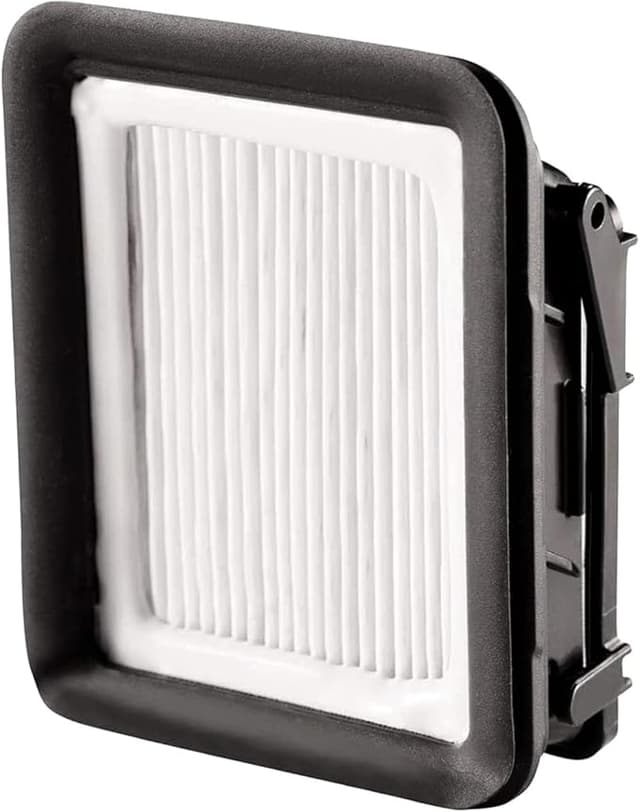
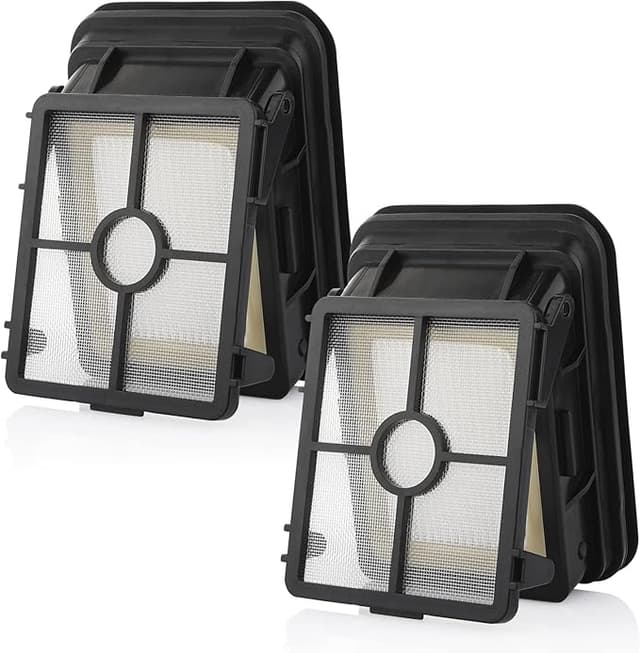
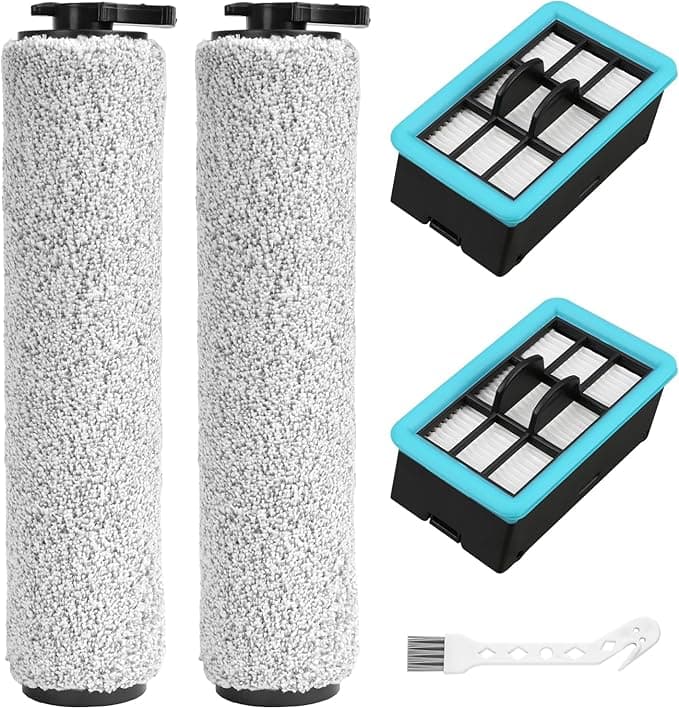
The install is the same dance as stock: pop the dirty water tank, pull the bin, and the old filter lifts straight out. The 1637755 drops into the same well. It seated. Honestly, the first time, it felt a hair looser going in than the Bissell did — not rattling-around loose, just less of that snug factory grip. I pressed it down, it sat flat against the bottom, and once the bin clicked back into the machine it held fine. No movement, no gap I could see when I shined a phone light in there.
One thing I'll flag because nobody told me: dry it completely before you reinstall. The instructions say rinse and dry, and I got impatient once, popped a still-damp filter back in, and the machine smelled like a wet gym sock for a day. Give it a full overnight on the counter. Cheap mistake to avoid.
How it actually performs against the real thing
Suction came back. That's the headline. The whole reason I was in the store was a CrossWave that had gone weak and was running hot, and a fresh filter fixed it — the bin pulls hard again, the floor head grabs, and the motor note went back to normal instead of that strained whine. The maker claims it catches 99.9% of dust and allergens, and look, I can't put a particle counter on it, but the water in the dirty tank comes out as filthy as it ever did, which tells me the junk is getting caught where it should.
Where's it a touch behind? The foam feels a half-step less dense than the Bissell when you squeeze it wet. I don't think it matters functionally — a filter on this machine is a pre-filter catching debris, not a HEPA medical-grade barrier — but if you're the type who notices materials, you'll notice. And I'd bet it ages a little faster. I'll probably swap this one a few months sooner than I'd swap an OEM. At this price, I genuinely don't care.
The real downside, said plainly
The packaging is junk. Thin plastic, no instructions worth reading, the kind of thing that makes you side-eye the whole purchase before you've even opened it. And there's a faint plastic smell out of the bag the first day or two — airs out fast, gone by the time it's been through one cleaning, but it's there. Neither of those affects how it cleans your floors. Both of them are why it costs less. You're paying for the foam, not the box.
Why a dead filter is more than an annoyance
Worth being clear on the stakes, because this isn't just about a weak vacuum. A clogged or saturated filter on the CrossWave chokes the airflow, and that machine's motor leans on that airflow to stay cool. Starve it and it runs hot — you'll smell it, that hot-electronics warmth — and a motor that overheats often enough is a motor that dies early. The other half: a gunked filter stops catching, and instead of trapping dust it starts blowing it back out into the room you're trying to clean. So this isn't a "nice to have it fresh" thing. A tired filter is actively working against you.
So who should skip this — and what I do
If your CrossWave is under warranty and you're worried a third-party part voids something, or you're just someone who sleeps better with the brand name in the bin, buy the Bissell. No shame in it, and I won't pretend the OEM foam isn't a touch nicer.
But me? I've got the loose-feeling frame, the cheap bag, the day-one plastic smell — and a machine that pulls like new for a fraction of the price. I already chose the compatible one once standing in that aisle, and when this one finally wears out, I'm reaching for the 1637755 again without the staring contest. For what it does, doing it for that much less, that's an easy call to make twice.