Troubleshooting & Analysis
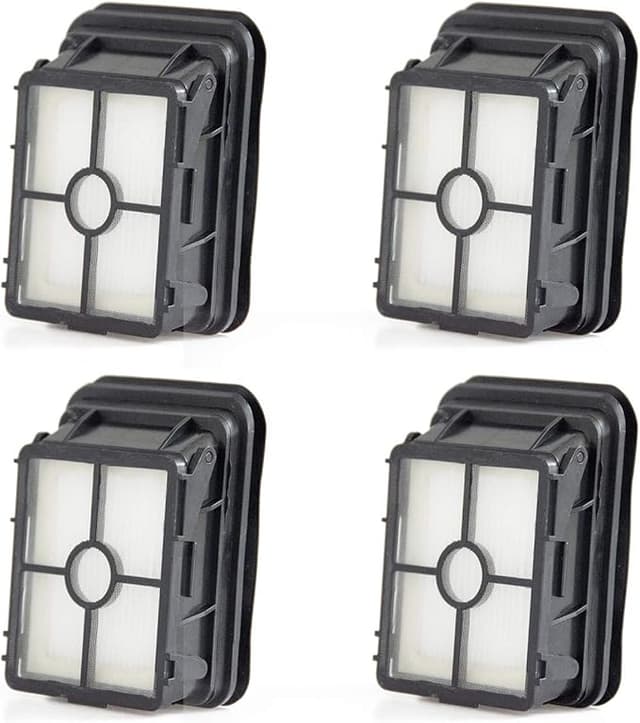
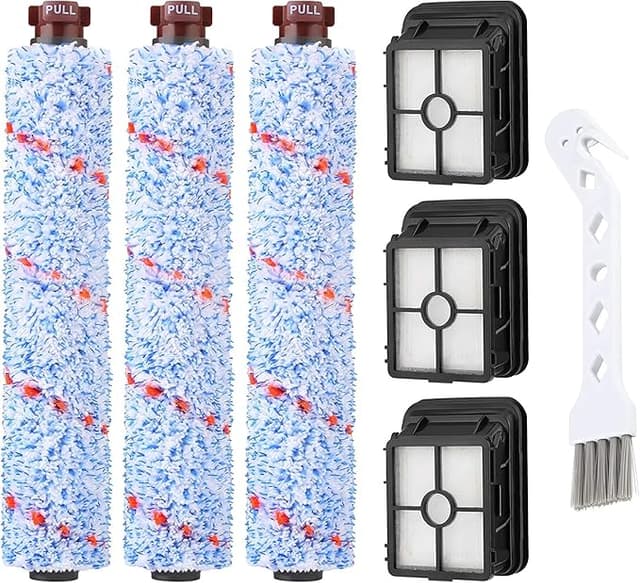
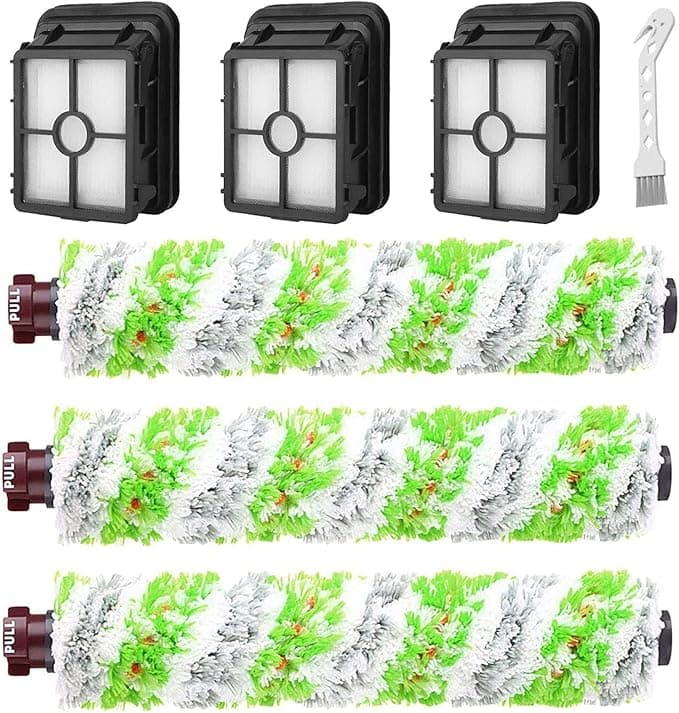
I'll be straight with you: when my CROSSWAVE filter finally got that gray, matted, never-coming-clean look, I went straight to the Bissell site, saw the price on the genuine replacement, and then sat there scowling at a $20 third-party one for a good ten minutes. I didn't believe it. A washable filter for a machine that mops and vacuums wet — for a fraction of the price? My gut said it'd be flimsy, or it wouldn't seat, or it'd turn to mush the third time I rinsed it. So I bought the cheap one (part #1613568) half-expecting to write it off and crawl back to OEM. That was about five months ago. I'm still using it.
The price thing, because that's why you're here
Here's the math that pushed me. The CROSSWAVE filter isn't a once-a-year thing if you actually use your machine — I run mine on the kitchen and entryway tile probably twice a week, and a filter that's getting rinsed constantly does wear out. Buying genuine every time it goes ragged adds up fast. The compatible one runs you roughly a third of the OEM ask. Over the life of the machine, if you replace the filter even a couple times a year, you're looking at saving real money — enough that I stopped thinking of the filter as a "part" and started thinking of it as a consumable, which is honestly the healthier way to treat it. You rinse it, you reuse it, and when it's done you swap a cheap one in without flinching.
Does it actually fit, or is that the catch?
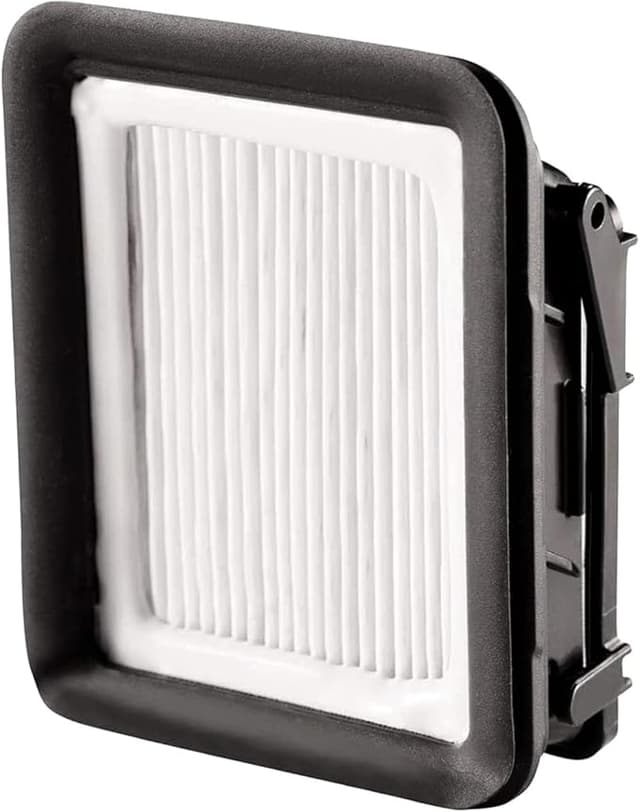
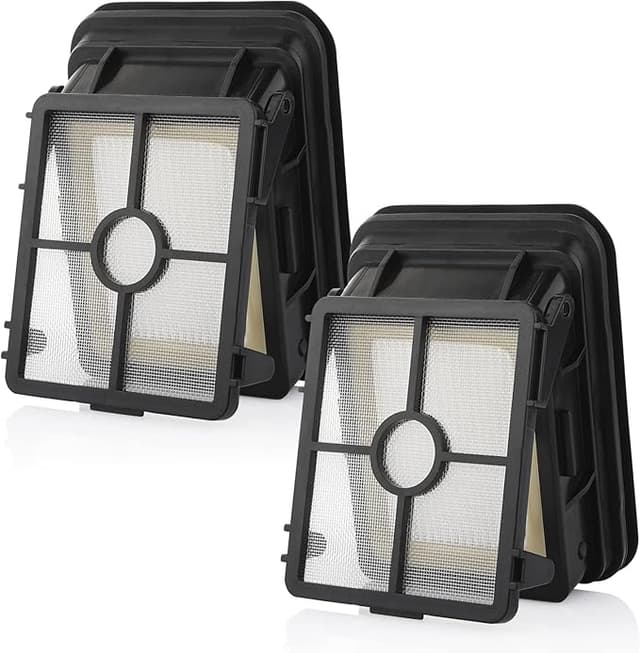
This was my real worry. Aftermarket parts love to be "compatible" in the loosest possible sense — close enough to look right in a photo, wrong enough to drive you nuts. So I paid attention. Pulled the dust bin off, lifted out the old genuine filter, and dropped this one in. It seated. Clean. The CROSSWAVE design makes this easy — bin out, old filter out, new one in — and there's not much room for a part to be subtly wrong because it either sits in the well or it doesn't.
I'll give you the one honest nitpick: the rim on mine felt a hair softer than the OEM rubber, just slightly more give when you press it in. It didn't affect the fit and it hasn't loosened over months of rinsing, but if you're the type who notices that kind of thing, you'll notice it on day one. By week two I'd forgotten about it entirely.
How it actually performs
The whole point of this filter is suction and capture — a clogged or worn filter in a CROSSWAVE chokes the airflow, the suction drops off, and the motor starts working harder than it should and running hot. That's not marketing fear, that's just what a saturated filter does to any machine that pulls air through it. So the test that mattered to me was simple: does the floor get clean and does the machine sound like it's straining?
It pulls. Side by side with my memory of the OEM filter when it was new, I can't honestly tell you the suction is different on the kitchen tile — debris and water get lifted the same, the machine doesn't bog down, the brush roll stays wet-and-grabby the way it should. It catches the fine stuff too; after a session the rinse water coming off it is genuinely gross, which is exactly what you want to see. That's the dust and grit that would otherwise be recirculating.
Where's it a touch behind? If I'm nitpicking — and I am, because a review with only good things to say is useless to you — I think the genuine filter held its "like new" springiness a little longer before the foam started to compress. This one got to its slightly-broken-in feel a bit faster. But "broken in" isn't "worn out," and at this price I genuinely do not care, because I'd rather rinse a cheap one twice as often than nurse an expensive one.
The real downside
The packaging is cheap. That's the most honest negative I've got. It showed up in a thin plastic sleeve with a label that looked photocopied, and for the first thirty seconds that does nothing for your confidence. There was also a faint plastic-foam smell out of the bag — gone after I rinsed it once and let it air out. If you're judging by unboxing feel, OEM wins and it's not close. If you're judging by what the thing does on your floor for the next several months, the gap closes to nothing.
One care note that's on you, not the filter: dry it completely before it goes back in. Rinse it, squeeze it out, and let it actually dry — a filter you jam back in soaking will smell and won't move air right. That's true of the OEM one too, but with a washable filter you'll be doing it often enough that it's worth saying out loud.
So who should skip it?
If your CROSSWAVE is under warranty and you're worried a non-Bissell part could give them an excuse to deny a claim, buy genuine and don't think twice — the savings aren't worth a fight over a motor. Same if you simply hate fussing with anything aftermarket and want the exact part with the brand stamp. That's a real preference and I won't talk you out of it.
For everyone else — the people standing where I stood, eyeing a $20 part and bracing for disappointment — I didn't believe it either, and I was wrong. It fits, it pulls, it captures the fine dust, and it's survived months of constant rinsing on my machine. The frame's a touch softer and the packaging's junk. I do not care. For the money it's saved me, doing the same job, I'd buy it again. I already have.