Troubleshooting & Analysis
The smell told me before the suction did
My CROSSWAVE started throwing a hot, dusty smell across the kitchen one Sunday — that scorched-lint odor you get when a motor is working way too hard. I didn't connect it to the filter at first. I figured the brush roll was tangled, or I'd let the dirty water tank get too full again. Took me a good twenty minutes of poking around before I pulled the bin out and looked at the filter. It was gray. Not "needs a rinse" gray — packed-solid, felted-over gray, the kind where you can press it and barely any air moves through. I'd been running my machine through a clogged filter for who knows how many weeks, and it was choking the motor to do it.
That's the thing nobody warns you about with these stick-style hard-floor cleaners. The filter sits right in the airflow path, and when it loads up, the motor doesn't quietly give up — it pulls harder, gets hot, and starts pushing fine dust back out the exhaust into the room you just cleaned. So I went looking for a replacement, and that's where the sticker shock started.
What Bissell wants vs. what I paid
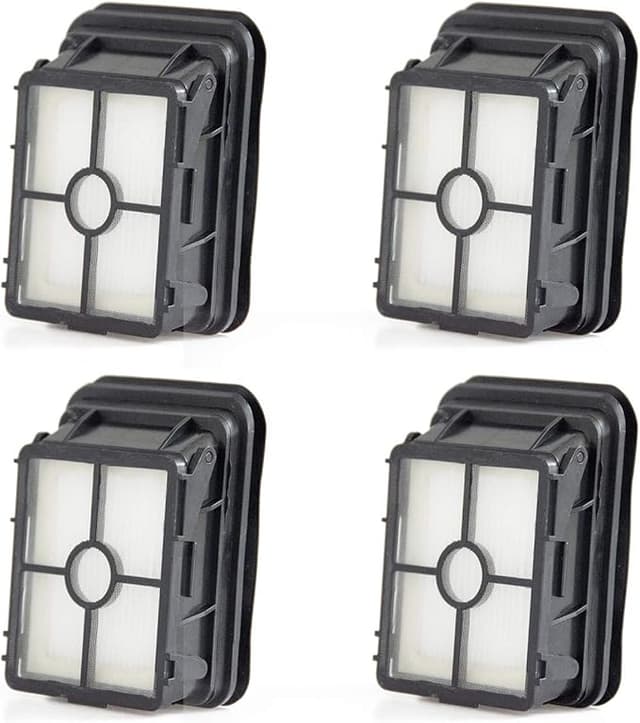
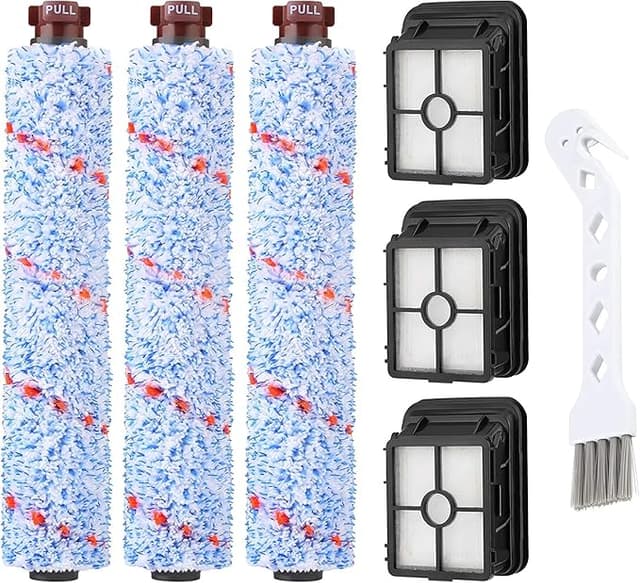
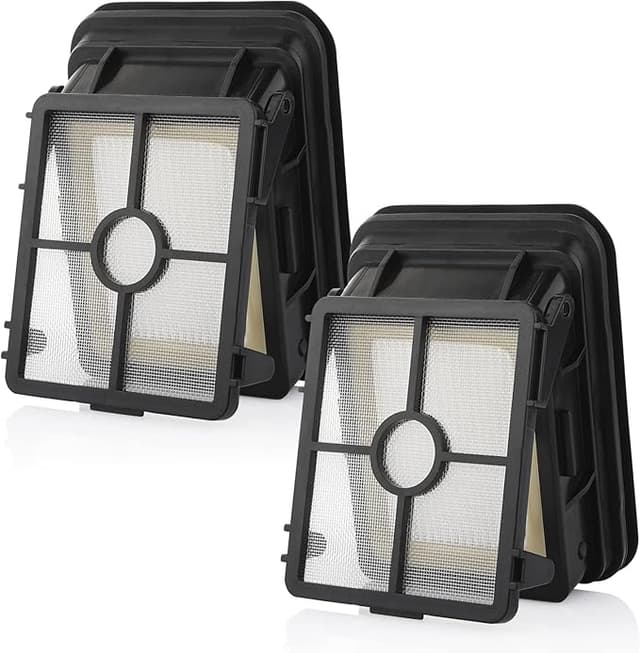
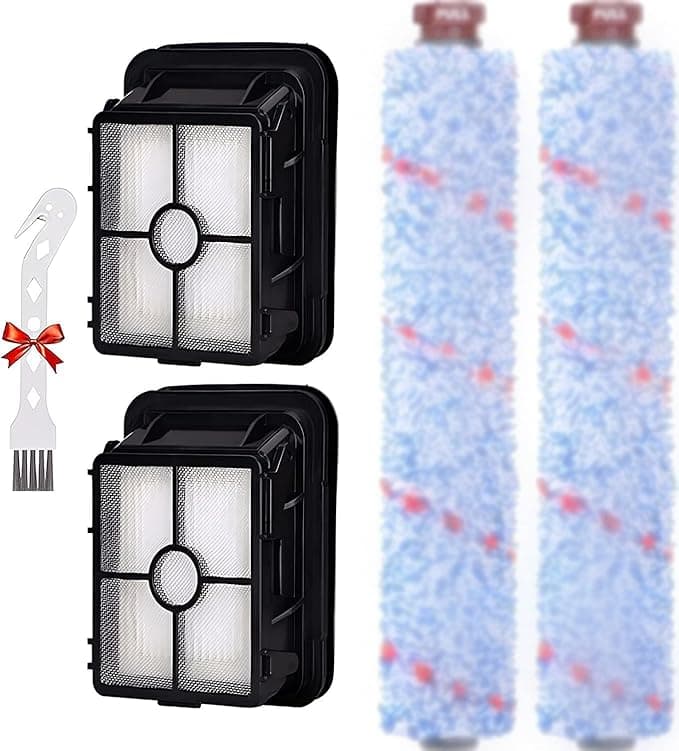
Bissell's own branded multi-surface filter for the CROSSWAVE runs around $18 to $22 for a single, and if you buy the little "service kit" with a brush roll thrown in they'll happily take $35 off you. The compatible filter I went with — part number 1608683 — came in a two-pack for right around $13. So roughly $6.50 a filter against $20 for the name on the box. Two of them, in the drawer, for less than one OEM unit.
Here's the math that actually matters, because a vacuum filter isn't a once-a-year thing if you use the machine a lot. I run mine maybe twice a week on a house with a shedding dog, and a washable filter like this realistically wants swapping out (not just rinsing) every four to six months before it stays permanently matted. Call it two filters a year. OEM: about $40 annually. The compatible: under $13 for the year, and I've still got a spare sitting in the drawer. Over the three-or-four-year life I'd expect from the CROSSWAVE itself, that gap is real money.
Does it actually fit, or am I about to fight it
This was my worry. Aftermarket filters love to be "99% the right shape," which means they fight you going in. The 1608683 didn't. The swap on a CROSSWAVE is genuinely a one-minute job: pop the dirty water tank, lift the filter cap, and the old foam-and-mesh filter pulls straight out of its well. The compatible one dropped in with the same little resistance the original had — that soft seat where it settles flush and the cap clicks down without you forcing it. No trimming, no "close enough, I'll make it work."
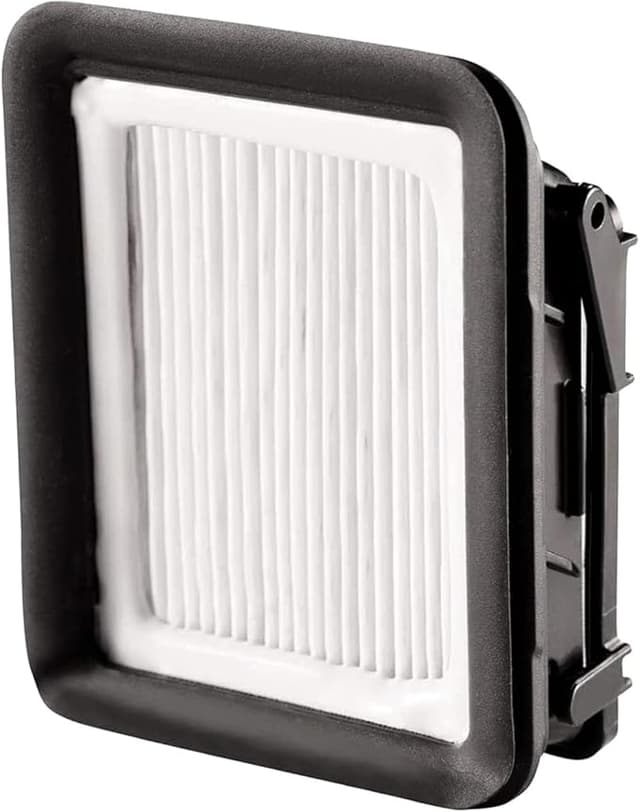
One honest note on fit: the molded plastic rim on the compatible filter is a hair thinner than Bissell's, and the very first time I seated it I wasn't sure it had grabbed. It had — it just doesn't have that beefy, over-engineered lip the OEM does. Once the cap is on, it sits exactly where it should. But if you're the type who likes a confident snap, you'll notice the difference for about two seconds.
How it cleans, honestly
Suction came right back the moment I ran it — which, to be fair, almost any fresh filter would do after the swamp I'd been running on. The better test is a few weeks of real use. After about six weeks the compatible filter is holding airflow as well as the Bissell did at the same age. It's washable, so I rinse it under the tap every couple of weeks, knock the water out, and let it dry fully before it goes back. That drying step matters more than people think — put a damp foam filter back in and you'll get that musty smell and you're choking airflow again with water this time instead of dust.
Where it's a touch behind OEM: the foam feels very slightly less dense in the hand, and I'd bet the Bissell version holds its shape a little longer over many wash cycles before it starts to compress. The maker claims it grabs 99.9% of dust and allergens, and I can't put a particle counter on that — what I can tell you is the exhaust air is clean and there's no dust haze in the light beam after a pass, which is exactly what I got from the original. For everyday floor crud, pet hair, and the fine grit that tracks in, I genuinely can't feel a difference in result.
The downside I'd want a friend to know
The packaging is flimsy — a thin poly bag, no rigid backing, and one of my two filters arrived with a slightly squashed corner. It relaxed back into shape within a day sitting flat, and it seats fine, but it doesn't arrive feeling premium. There was also a faint plastic-foam smell out of the bag for the first two days that aired out completely after a rinse and a dry. Neither thing affected how it cleans. Both things tell you where the $6 went instead of the $20.
Who should skip this — and what I actually do
If your CROSSWAVE is still under warranty and you're nervous about anything voiding it, buy the Bissell filter and don't think about it — the few dollars of insurance is worth your peace of your own mind. Same if you only run your machine a handful of times a year; the savings barely show up and the OEM lip is a little nicer to live with.
For me? I clean too often and I'm too cheap to feed Bissell $40 a year for foam and mesh. The 1608683 fits right, the suction is back, the smell is gone, and I've got a spare waiting for the next swap. It's not flawless — the rim's thinner, the bag's cheap — but it does the one job a CROSSWAVE filter has to do, for a third of the price. I bought it once to test it. I've since bought it again, and that's the most honest thing I can tell you.