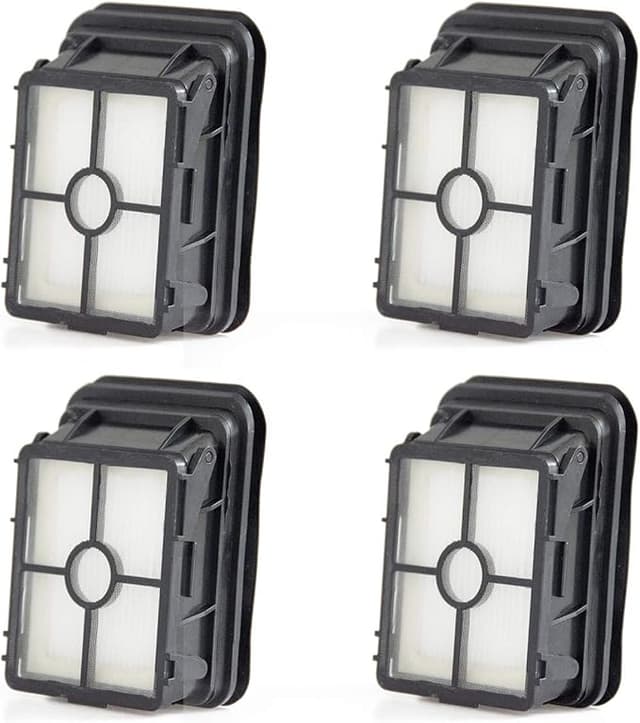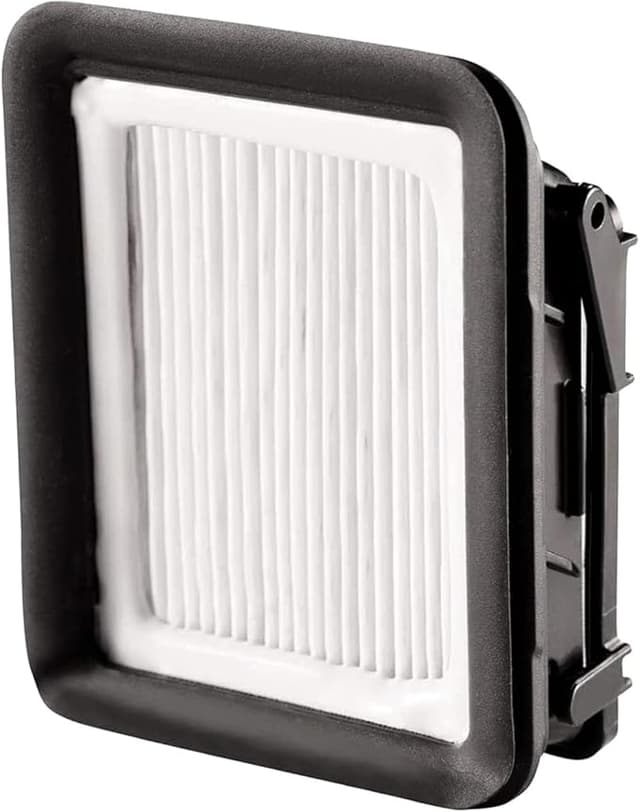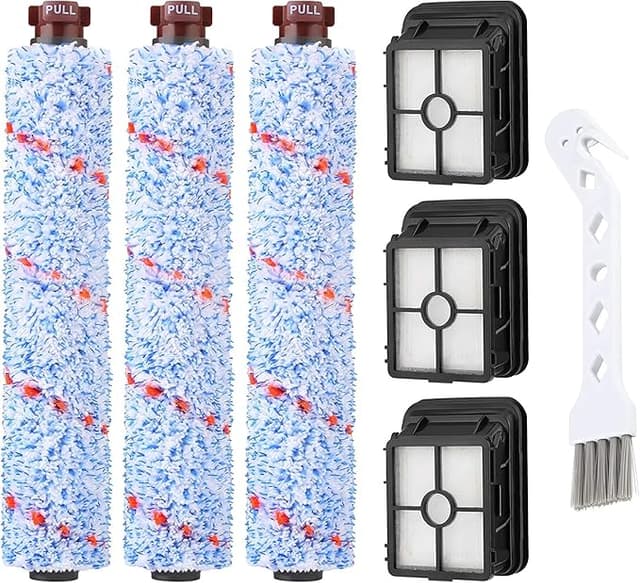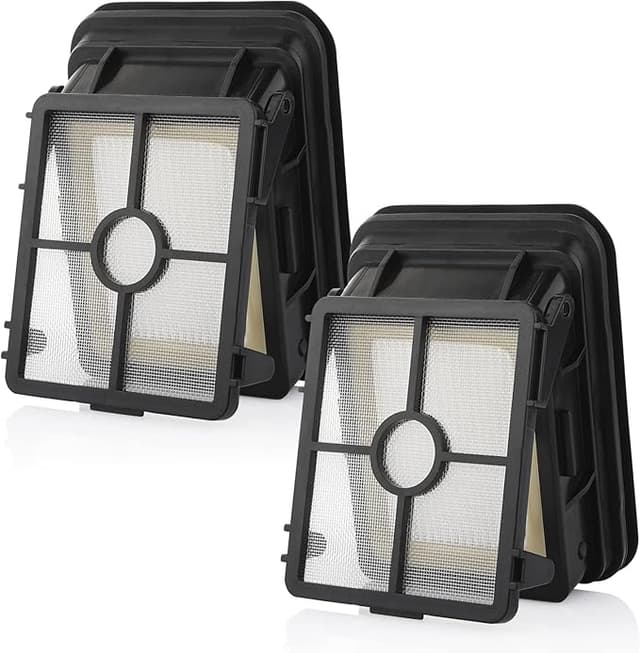
Troubleshooting & Analysis
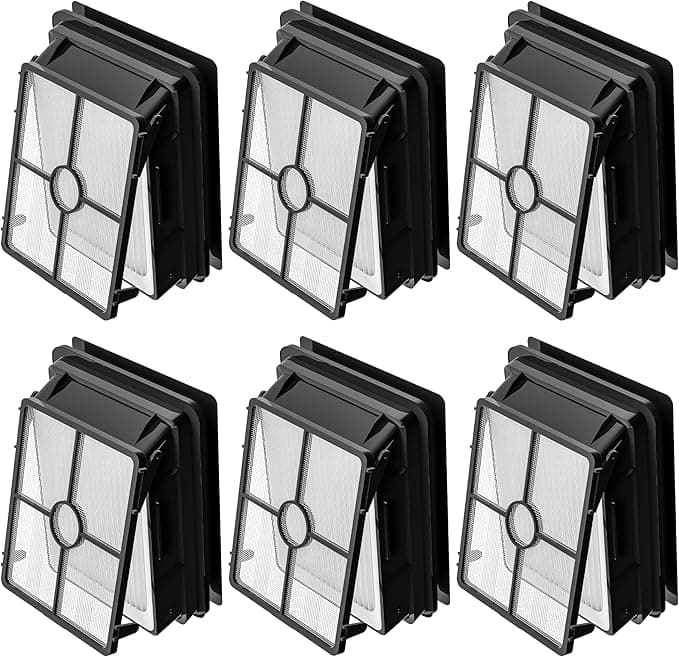
There I was, standing in the aisle with my phone in one hand and my dead Bissell 2210 filter in the other, doing the dumb little math everyone does. The genuine Bissell replacement was running around $24 for a single filter on the shelf. The compatible 1608684 pack? Two filters for about $13 shipped. So roughly $6.50 a filter versus $24. I stood there longer than I'd like to admit, because the cynic in me kept whispering the obvious thing — if it's a quarter of the price, what's the catch, and is the catch going to fry my motor.
I bought the cheap one. Then I went home and ran it hard for five months before writing a single word about it. Here's the honest report.
The price gap is real, and the annual math is worse than you think
People fixate on the single-filter number, but that's not how you actually live with a vacuum. The 2210 wants its filter rinsed regularly and swapped out when it stops coming clean — for me, with a shedding dog and a house that eats dust, that's roughly twice a year on a full replacement even though it's washable. At OEM prices that's close to $48 a year just in filters. The compatible route, a two-pack for $13, is a year and a half of filtration for less than the cost of one Bissell-branded one. Over the life of the machine that's not pocket change. That's a couple of tanks of gas.
And the thing the marketing copy won't tell you straight: the reason a worn filter matters isn't some abstract "performance" line. A clogged filter in the 2210 chokes airflow, the suction drops off a cliff, and the motor starts pulling harder and running hotter to compensate. I've smelled that hot-motor smell on an old vacuum before — it's the smell of a machine dying early. So the filter swap is cheap insurance whether you go OEM or aftermarket. That part's not up for debate.
Does it actually fit? Yes — with one honest caveat
Install on the 2210 is genuinely a two-minute job and the 1608684 didn't change that. You pop the dust bin off, pull the spent filter out, drop the new one in, and you're done. Because this one's washable, my real routine is: tap the loose dust out, rinse it under the tap until the water runs clear, then — and this is the part people skip and regret — let it dry all the way. Overnight. I leave mine on the windowsill. Put a damp filter back in and you're asking for that musty wet-dog smell to blow through your whole living room, plus you're stressing the motor. Patience here is free.
The caveat: the frame on the compatible one sits a hair looser than the Bissell original. Not loose enough to rattle or leak air around the edges — it seats and it stays — but if you've handled the OEM part, you'll feel that the tolerances aren't quite as tight when you press it in. After five months it hasn't shifted or warped on me. But I'd be lying if I said it felt identical in the hand. It doesn't. It feels like what it is: a $6 part doing a $24 part's job.
Performance: where it matches, and where it's a step behind
On suction and everyday pickup, I genuinely can't tell the difference. Pet hair off the rug, the gritty stuff by the back door, the fine dust that settles on baseboards — it grabbed all of it the same as the day-one Bissell filter did. The 99.9% dust-and-allergen claim is the kind of number every brand prints, so I take it with salt, but in lived terms my allergies didn't get worse and the exhaust air didn't smell dusty. That's the test that matters to me.
Where it's a touch behind: longevity per filter. My honest read is the compatible foam doesn't bounce back from washing quite as many times as the OEM did before it starts looking permanently grayed and a little matted. I got plenty of rinse cycles out of it — but I think the genuine one stretches a bit further per unit. Which is exactly why a two-pack at $13 still wins on cost even if each one lives a slightly shorter life. You're not paying for the longer life; you're paying four times less.
The downside nobody warns you about
Two things, plainly. First, the packaging is cheap — a thin plastic sleeve, no real protection, and one of mine arrived with a slightly crumpled corner on the foam. It puffed back fine and worked, but it doesn't inspire confidence opening the bag. Second, there was a faint plastic-and-foam smell out of the package for the first two or three days of use. Not chemical-harsh, just that new-cheap-product odor. It aired out completely by day three and I haven't noticed it since. If you're sensitive to that, give it a rinse and a dry before the first install and you'll skip most of it.
So who should actually buy which
If your 2210 is under warranty and you're the type who'd rather not give a manufacturer any excuse to deny a claim, buy the Bissell. If you want the absolute longest life per individual filter and the money genuinely doesn't register, buy the Bissell. No shame in it.
But for everyone else — for me — the compatible 1608684 is the easy call. It fits, it pulls the same suction, it captures the dust, and it costs a quarter of the price. The frame's a little looser and the foam ages a touch faster, and I still grab this one every time, because doing the same job for around $6 instead of $24 isn't a close decision. I've bought it twice now. I'll buy it again when this pack runs out.