Troubleshooting & Analysis
I didn't believe a $10 refill could match the real thing either
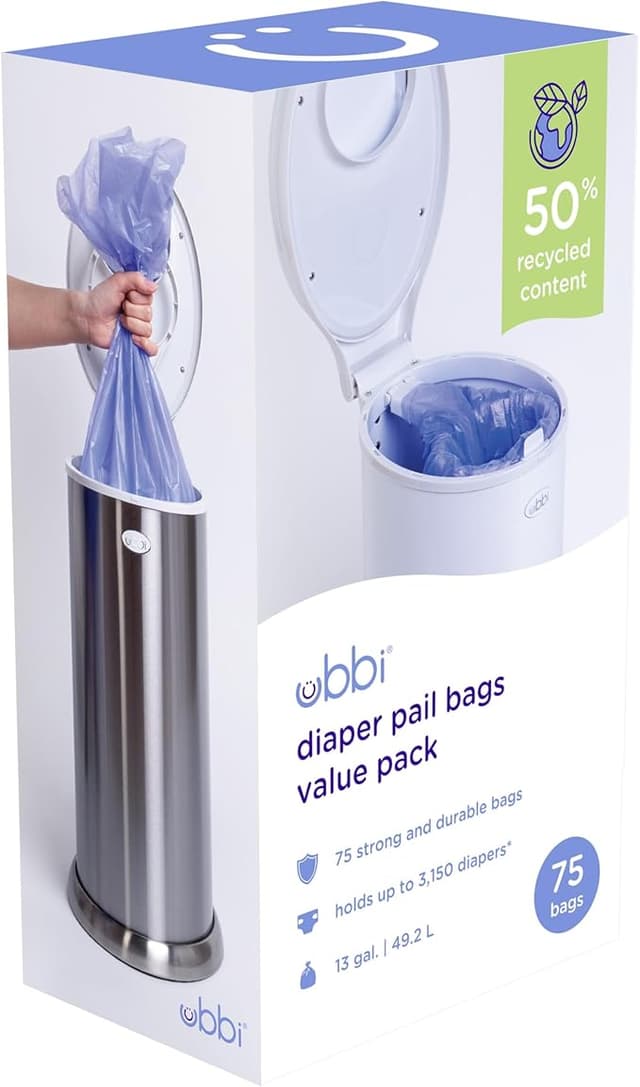
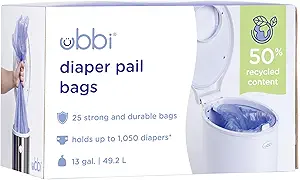
Look, I've been burned by "compatible" before. Cheap coffee pods that leaked, a fridge filter that made the water taste like a swimming pool. So when my Ubbi pail chewed through its second name-brand refill and I saw the third-party rolls sitting there for roughly half the money, my gut said no. A diaper pail's one job is to trap smell. Skimp on the liner and you're basically paying to store odor in a fancier can. That was the fear.
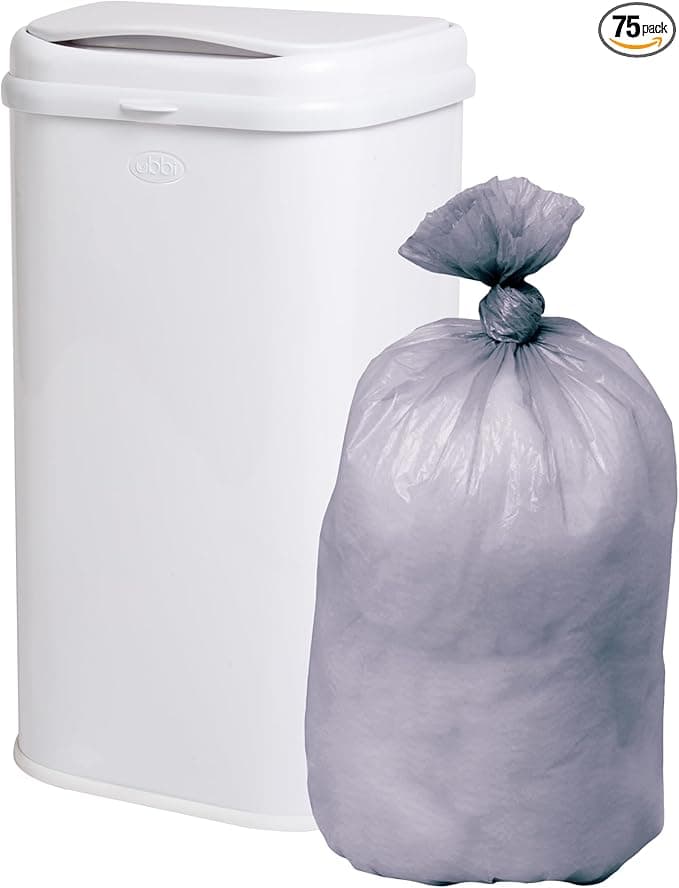
I bought the compatible Ubbi Pail Refill anyway — partly out of stubbornness, partly because I'd just done the math and it made me a little angry.
The math that pushed me over
Here's the number that got me. The name-brand refills I'd been grabbing ran about $18 for the pack, and with a newborn I was burning through one roughly every three to four weeks. The compatible roll I switched to was around $10 for a comparable length of film. Call it an $8 gap per pack. Doesn't sound like much until you stack it across a year of diapering — you're looking at well over a hundred dollars, and if you've got a second kid or you run two pails, it climbs past two hundred fast. For film that gets tied off and thrown in the trash. That's the part that stung: you are literally paying premium prices for something designed to be discarded within the month.
So the question was never "is the compatible one nicer." It was "is it good enough that I stop noticing the difference." Different bar entirely.
Fit and install — where I expected it to go wrong
This is where knockoff refills usually reveal themselves. Wrong diameter, film too thin, the cardboard core doesn't sit in the pail right. I was ready to be annoyed.
It wasn't. Popped the pail open, pulled the old spent refill and knotted it off for the trash, dropped the new roll into the well. The core seated in the pail's recess without any wiggling — same footprint as the original, near as I can tell. Then you fish the end of the film up through the center opening, pull down a good arm's length so you've got slack to work with, and tie a knot at the bottom so the whole thing doesn't slither back down into the can. Feed it up, twist the top, done. First one took me maybe ninety seconds because I was being fussy. Now it's a fifteen-second job I do half-asleep at 3 a.m.
The film itself is that multi-layer stuff — you can feel it's got some heft when you unroll it, not a flimsy grocery-bag crinkle. I checked the length of the first roll for tears before loading it, which I'd tell anyone to do with any brand, and it was clean.
The honest performance take
Odor is the whole ballgame, so let me be blunt. On the standard job — wet diapers, the regular daily parade — I genuinely cannot tell this apart from the name-brand film. Pail stays sealed, you crack the lid, drop it in, twist, and the room doesn't announce that a diaper pail exists. That's the win, and it's the win 90% of the time.
Where I'll give the original a slight edge: the truly nuclear diapers. You parents know the ones. On a couple of those, with the compatible film, I caught a faint whiff when I opened the lid to add the next one — a second of "oh" before the seal closed again. With the name-brand I maybe didn't get that. Maybe. Honestly it's close enough that I'm not certain I wasn't imagining it. But I want to be square with you, so: on the worst-case diapers, there might be a hair less margin.
The real downsides — and there are a couple
The packaging is cheap. The box it ships in is thin cardboard and mine arrived a little dinged at one corner. The film inside was fine, but it doesn't inspire confidence the way the retail box does, and if you're the type who's bothered by that, you'll be bothered.
Second, and this is the one that actually matters: the film felt a touch thinner to me than the original. Not dramatically — but on the tie-off, once or twice, I pulled a little too eagerly and felt like I was closer to nicking it than I ever was with the name-brand. Nothing tore. But I've trained myself to knot it gently now instead of yanking. If you've got a heavy hand or an impatient partner doing the changes, that's worth a mention.
Third, smaller thing — the cut edge of the film where you tear each bundle off wasn't as clean as the perforation-smooth original. Minor. You'll never think about it after week one. But it's real, so I'm saying it.
Why staleness here isn't just gross — it's a health thing
One point I won't soft-pedal, because it's the actual reason the film matters at all. A diaper pail that isn't sealing is a warm, damp box, and warm damp boxes grow things — mold, bacteria — the kind of stuff you do not want aerosolizing next to an infant's crib. The refill's whole purpose is keeping that mess wrapped and airtight until it's out of the house. So whichever film you run, the rule is the same: swap the roll on schedule and don't stretch a spent one to save a few cents. That's not a name-brand-versus-compatible thing. That's just not letting a diaper pail become a science experiment.
The compatible film holds that seal as well as I need it to. That's the part I cared about, and it delivered.
Who should skip it — and why I keep buying it
If you've got a genuinely sensitive setup — a tiny nursery with no ventilation, a baby with respiratory stuff going on, and you want every last percent of odor margin on the worst diapers — buy the name-brand and don't think twice. The peace of a slightly bigger buffer is worth eight bucks to some people, and I get it.
But for most of us? I ran this compatible refill for months across the ordinary daily grind and it did the same job for roughly half the price. The downsides are real and small — cheaper box, slightly thinner film, be gentle on the knot. The upside is over a hundred dollars a year back in my pocket for something I'm throwing in the trash anyway. I didn't trust it going in. I trust it now, and my last three reorders have all been the compatible one. That's the most honest verdict I've got.