Troubleshooting & Analysis
The first thing I noticed wasn't the price. It was the snap. That little rubbery grab when you thread the bag through the Ubbi's rubber flap and it catches — the generic refill made the exact same sound my last OEM one did. I stood there in the nursery at 6 a.m., half asleep, waiting for it to feel wrong, cheaper, off somehow. It didn't. It just fed through and tucked in like it belonged there.
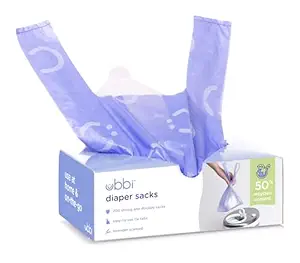
I'll back up. I've been running an Ubbi steel diaper pail for going on two years now, second kid, and if you own one you already know the racket: the branded refill bags aren't cheap, and you burn through them faster than you'd think once you're changing eight, ten diapers a day. I got tired of it. So a few months ago I started buying the generic Ubbi-compatible refills instead — the no-name rolls that claim to fit the same pail — and I've now gone through enough of them to tell you honestly whether the swap is worth it.
The math that made me switch
Here's the part that actually matters when you're standing there with two options in your cart. A single branded refill roll for the Ubbi runs you around $22 a pop, and depending on the pack you might pay more per roll if you buy them singly. The generic refills I've been using come out to roughly $12 for a comparable roll — call it a $10 gap every time you reorder.
That doesn't sound like much until you count how often you're reordering. In a heavy-newborn stretch we were going through a roll every few weeks. Spread that across a year and the generic route saved me somewhere in the neighborhood of a hundred bucks — money that, with a baby in the house, I'd rather spend on literally anything else. Wipes. Coffee. Sleep, if they sold it.
Does it actually fit the pail?
This was my whole worry going in. The Ubbi's sealing system is the reason people pay for the thing — that sliding trap door and the rubber gasket are what keep the smell locked down. I figured a generic bag might be a hair too narrow, or the plastic too thin to hold a good seal against the flap.
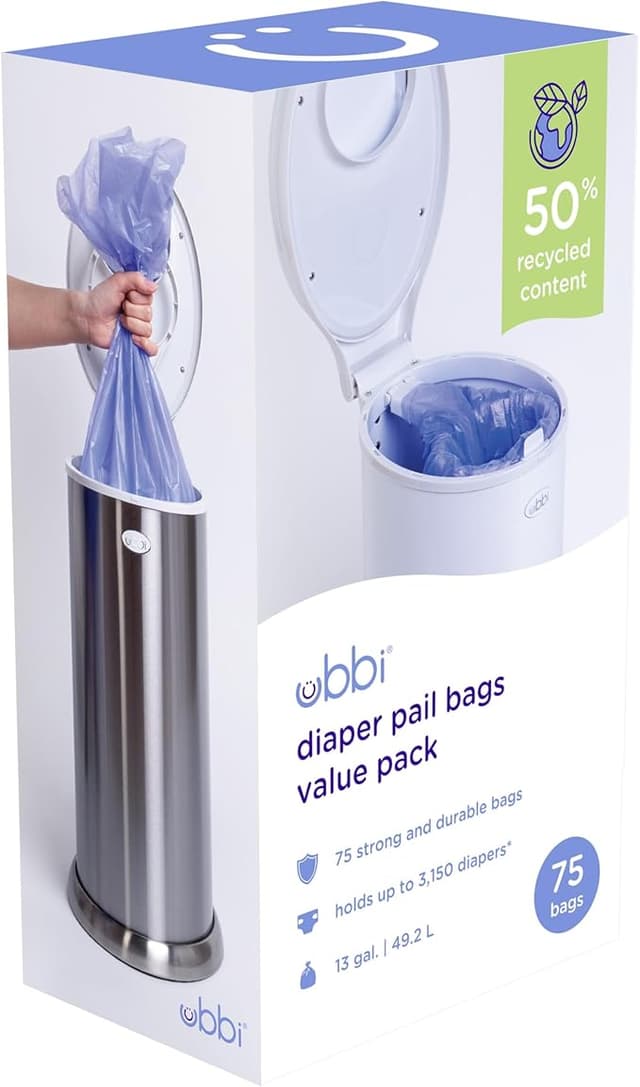
It wasn't. Installation is genuinely the same three-minute job. You pop the lid, pull out whatever spent bag is in there and toss it, then take the fresh generic roll, fish out the leading end of the bag, and feed it up through the inner opening. You tie off the bottom, drop the roll into the base, and you're done. The generic roll seated in the base compartment without any fighting — I didn't have to trim it or wedge it. First diaper went in, the trap door slid shut, and the seal held.
One small tip from doing it half-conscious a dozen times: make sure you untangle the leading end fully before you thread it, because the generic bags come rolled a little tighter than the branded ones and the film wants to stick to itself. Ten extra seconds. Not a dealbreaker.
How it actually performs — the honest read
Odor is the whole ballgame with a diaper pail, so let's talk about it straight. Day to day, sealed up, the generic bags do the job. I've had the pail sitting three feet from where I sleep for months and I'm not getting wafts of anything. The film is thick enough that it doesn't tear when you twist and knot it, which was my other fear — nobody wants a bag that splits at the seam when it's full.
Where it's a touch behind OEM: the plastic on the generic rolls is very slightly thinner and a little less "grippy" than the branded film, and I think the branded bags hold a marginally better scent barrier when you first crack them open. Honestly, in normal use with the lid doing its job, I can't tell the difference. But if you open the pail to drop a diaper in on a hot day and it's getting close to full, the generic will let a bit more through in that open moment than I remember the branded one doing. Close the lid, it's gone. It's a difference of seconds, but it's real and I'm not going to pretend it isn't.
The downsides I'd want a friend to warn me about
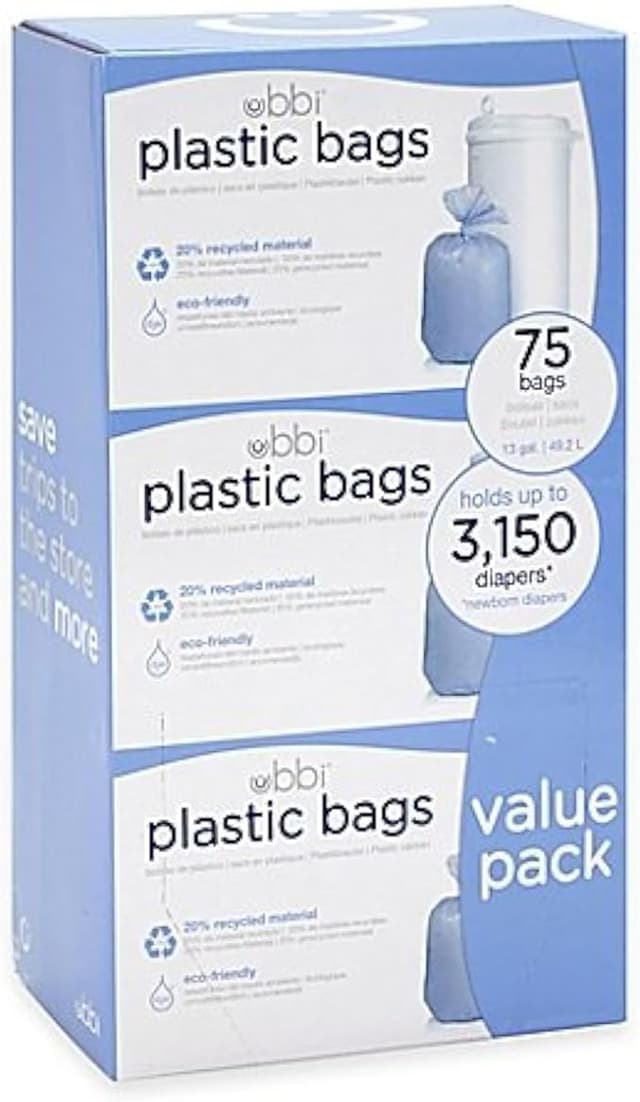
The packaging is cheap. The rolls show up in a plain plastic sleeve, no fancy box, and once or twice a roll arrived a little squished — no functional problem, the film was fine, it just looks like what it is.
There's also a faint plastic smell for the first day or two out of the package. Not chemical-harsh, just that new-plastic-film smell you get from a fresh roll of anything. It aired out completely within a couple days and I stopped noticing. If you're sensitive to that, unroll a bit and let it breathe before you thread it in.
And the roll length varies a little batch to batch. Most of mine ran about even with what I expected, but one felt like it gave me a few less pulls than another. Minor, but if you're the type who counts, you'll notice.
Why staying on top of it actually matters
Quick word on not letting the bag ride too long, because this is the part people skip. A diaper pail that's overdue isn't just unpleasant — a sealed pail full of soiled diapers is a warm, damp little environment, and left long enough that's exactly where bacteria and mildew smell take hold. With an infant sleeping in the same room, you don't want that stewing. Swap the roll before it's crammed, knot each diaper's worth as you go, and you sidestep the whole problem. The refill being cheaper is, weirdly, a point in its favor here — I don't hesitate to change it early when I'm not wincing at the cost.
So who should skip the generic?
If you've got a super sensitive nose, or someone in the house does, and even a two-second whiff during a lid-open moment is going to bother you, buy the branded rolls — that last sliver of scent barrier is what you're paying the premium for, and it's a real thing.
For everyone else? Look, I ran these for months right next to my own bed, in a real nursery, with a real baby doing real baby things. They fit the pail, they seal, they don't tear, and they cost about ten dollars less every time I reorder. The plastic smell fades, the packaging is ugly, and none of that has anything to do with whether the thing works. For the money it saves doing basically the same job, I'd buy the generic Ubbi refills again — and I already have, twice.