Troubleshooting & Analysis
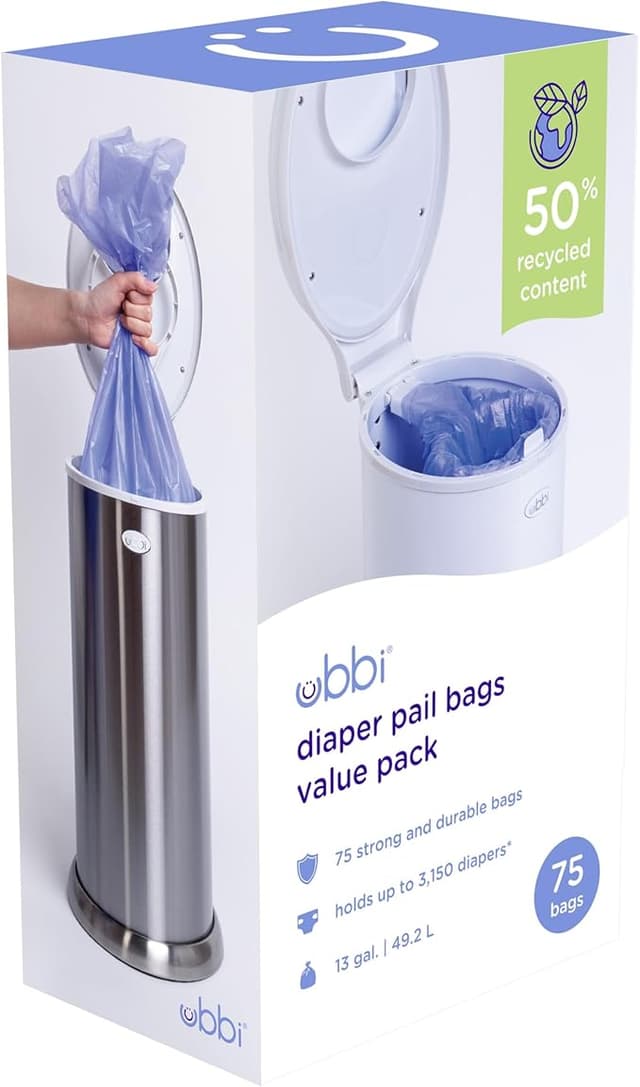
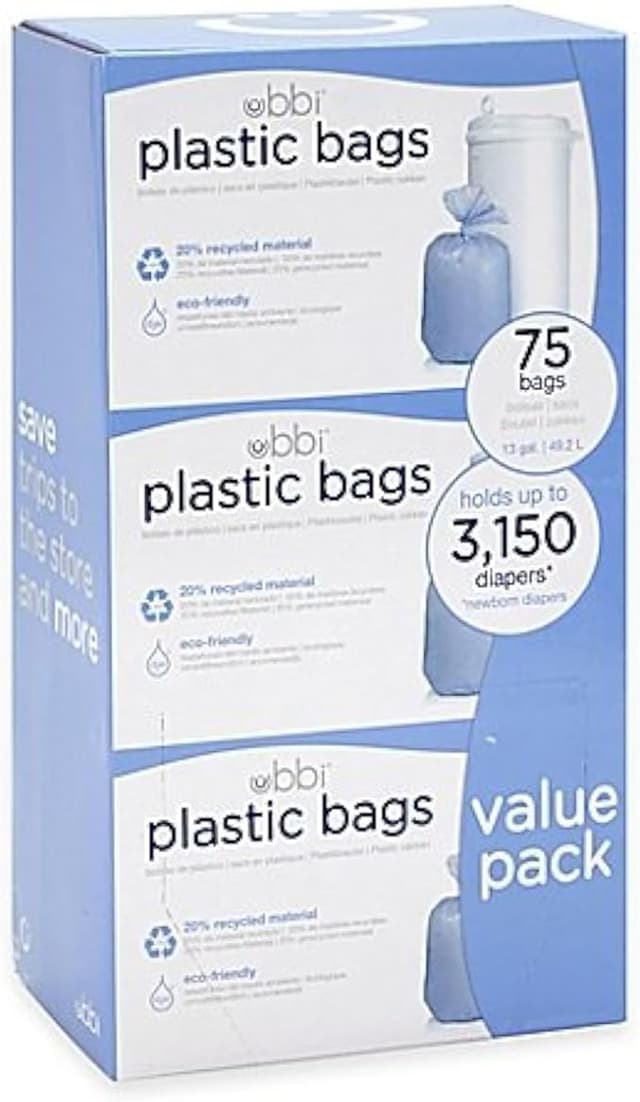
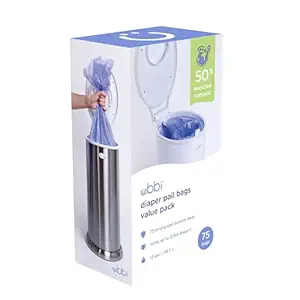
I was standing in the nursery with my phone in one hand and the empty Ubbi cardboard sleeve in the other, doing that thing where you stare at two browser tabs and feel slightly ridiculous about it. One tab: the official Ubbi refill bags. The other: a compatible Pail Refill pack that fit the same UBBI pail and cost noticeably less. My kid was eight months in, the pail was empty, and I had maybe a four-hour window before the next diaper situation made the decision for me. So — which one.
I'd been buying the brand-name refills since the baby shower, mostly out of inertia. You get the pail as a gift, it works, you keep feeding it the bags it came with. But a diaper pail is the definition of a consumable habit. You burn through these things. And every time I reordered I'd get a little quiet flinch at the price, the way you do with printer ink or razor cartridges — the machine was cheap-ish, it's the refills that get you over a year.
What the brand premium actually costs you
Here's the math that finally pushed me. The official Ubbi refill, the one most people grab on autopilot, ran me about $24 for the multi-pack. The compatible Pail Refill — same UBBI fit, same liner job — landed closer to $13 for the equivalent count. Call it eleven bucks a pack. Doesn't sound like much. But I was reordering roughly every six to eight weeks at peak diaper volume, and over a full year that gap is real money — the difference between one nice dinner out and, you know, a stack of diaper bags. For a thing whose entire purpose is to get filled with trash and thrown away, paying the brand markup started to feel like a tax I'd agreed to without reading it.
That's the part nobody warns you about with the Ubbi. The pail itself is genuinely good — steel, sliding lid, doesn't telegraph the smell across the room. But the whole model is the refills, and the brand knows it. So the question was never "is the Ubbi pail worth it." It was "do I have to keep paying Ubbi prices to keep using the Ubbi pail." Turns out, no.
Does it actually fit, or do you fight it
This was my real worry. With a sealed-system pail, a refill that's a hair off — wrong diameter, liner too thin, weird seam — turns into a daily annoyance you'll curse every single change. So I went in skeptical.
Swapping it is dead simple, and the compatible refill didn't change any of it. You pop the top section off the pail, drop the new refill ring down into the housing, thread the leading edge of the liner up through the center, tie it off, and reseat the lid until it clicks home. That click matters — it's the seal. I half-expected the compatible ring to sit proud, or rattle, or not let the lid seat flush. It seated. Same click. I checked the orientation against the old one before I tossed it, lined it up the same way, and it dropped in like it belonged there.
The liner film itself feels comparable — maybe a touch thinner than the official bag if you're really pinching it between your fingers looking for a reason to complain. In four months of actual use I haven't had one tear, one blowout, one liner that gave up on me at the worst possible moment. And the tie-off-and-cut step, which is the part I figured a cheaper version would botch, worked exactly the same.
The honest downsides
I told you I'd give you the real ones, so here they are. First: the packaging is plain. The official refills come in that tidy printed box; the compatible pack showed up in a more generic sleeve, no frills, and one of mine had a slightly crushed corner from shipping. Cosmetic. The product inside was fine. But if you're the kind of person who notices that stuff, you'll notice.
Second, and this is the one actually worth knowing: the film on the compatible liner has a faint plastic smell when you first thread a fresh roll — that off-the-roll scent. It aired out within a day for me and I stopped noticing it entirely, but the first time I loaded one I caught it and went "hm." Not chemical, not strong, just the smell of new plastic. If you've got a sensitive nose or you're loading the pail in a small closed nursery, crack a window the first day and you're done.
Third, the perforations between bags felt very slightly less crisp than the brand version — once or twice the tear wandered a millimeter off the dotted line. A non-issue in practice. You're tearing a bag, not performing surgery. But I'm being thorough, because a review that's all sunshine is a review you shouldn't trust.
Why I don't let it run empty anymore
One thing I learned the hard way, and it's got nothing to do with which brand you buy: don't stretch a refill past empty. When the roll runs out and you're improvising with a grocery bag jammed in there because you forgot to reorder, the pail's seal stops doing its job. The whole point of the Ubbi — the reason you bought it over a cheap step-can — is that snug closed system holding the smell in. A bad makeshift liner or an overstuffed bag breaks that seal, and then you're scrubbing residue out of a steel can on a Sunday, which I have done, and do not recommend. Keep a spare pack on the shelf. At $13 there's no reason not to.
The verdict — who buys which
If you're still in the trial-and-warranty window on the pail itself and you're nervous about anything voiding anything, or you're the type who genuinely sleeps better with the matching branded box on the shelf — fine, buy OEM, no judgment. The official refills are good. Nobody's saying they aren't.
But me? I've reordered the compatible Pail Refill three times now and I'm not going back. Same fit, same click, same job, no tears, and roughly eleven dollars saved every single pack on a thing I'm literally throwing in the garbage. The plastic smell airs out in a day and the cardboard sleeve was never going to win a beauty contest anyway. For a consumable you burn through for two-plus years of diapers, paying the brand tax on every refill just stopped making sense to me. Honestly, the only mistake I made was not switching sooner.