Troubleshooting & Analysis
I called BS on the $20 refill. Then I actually used it.
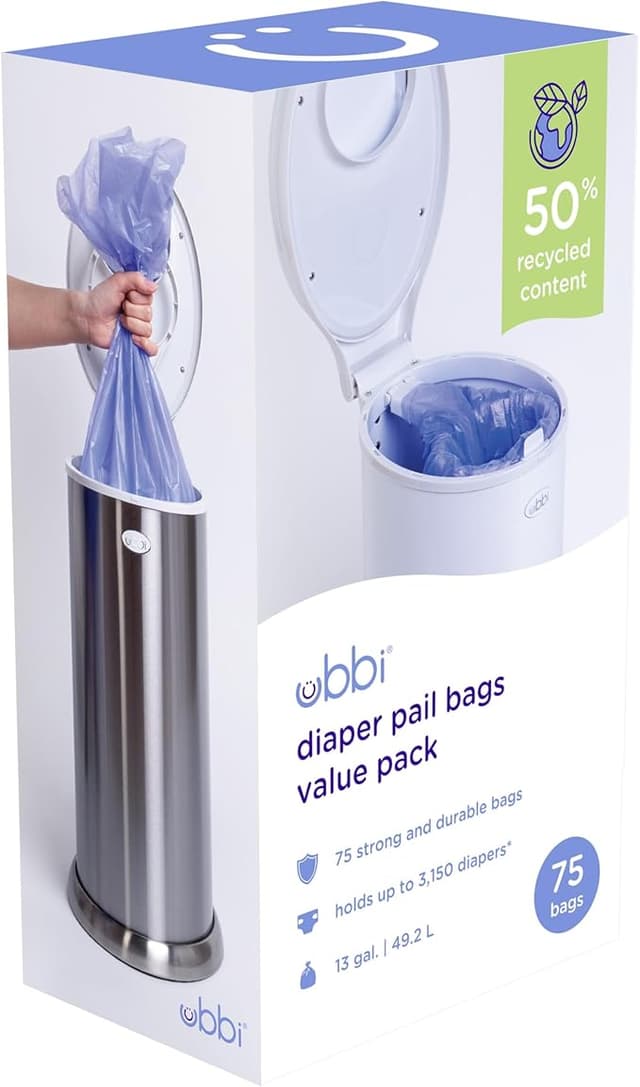
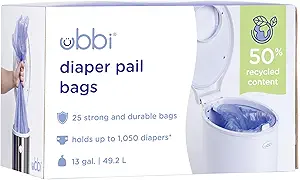
I'll be honest with you — the first time I saw an off-brand refill for the Ubbi pail, I assumed it was junk. My wife had put a cheaper "compatible" one in the cart, and I quietly swapped it back out for the Ubbi-branded refill before checkout. Twenty-something bucks for a roll of plastic film? Fine. But I'd been burned before on aftermarket stuff — vacuum bags that tore, fridge filters that leaked — and I figured a diaper pail refill was one of those things where the cheap version just didn't seal and your nursery smelled like a landfill by Tuesday.
So when the branded roll ran out and I finally caved and ordered the compatible Ubbi Pail Refill instead, I did it half-expecting to write an angry review about it. That was four months and roughly nine roll-changes ago. I'm still using them. Here's the honest breakdown.
The money, because that's why you're here
Let me give you the real math, not marketing fluff. The refills for these pails run you somewhere in the $20 range for a two-pack depending on where you buy and when. When you've got a newborn, you are burning through film — we were changing 10 to 12 diapers a day in the early months, and a roll lasts maybe five to six weeks in heavy use. Over a full year of diapering, the film cost stacks up fast, and the price gap between the premium option and the compatible refill works out to real money — call it $40 to $50 a year back in your pocket per kid. Two kids in diapers at once? Do that math and tell me it doesn't matter.
That's a stroller accessory. That's a month of daycare snacks. It's not nothing, and anybody who tells you the film "isn't worth optimizing over" hasn't paid for it out of their own account twelve times.
Does it actually fit? The part I was nervous about
This was my whole worry. The pail's design lives or dies on the film seating right — you drop the diaper in, twist, and the mechanism pinches the bag so odor stays trapped below. If the compatible film is a hair too narrow or the wrong thickness, that seal gets sloppy and the whole system falls apart.
It fit. I pulled the old empty out, wiped down the pail — took thirty seconds, it was basically clean — peeled the tape off the end of the new roll, threaded the film up through the slot at the top, and pulled it down so it sat snug in the compartment. Closed the lid, tied off the bottom, done. Same motions as the branded roll. No wrestling, no forcing, no gap where the film wouldn't reach.
The one thing I'll flag: the very first tie-off, the film felt a touch thinner between my fingers than I remembered the branded stuff being. My gut said "this'll rip." It didn't. Four months in, I have not had a single blowout tear at the knot, and I am not a gentle person when I'm tying off a bag at 3 a.m. with a screaming baby on my hip.
Odor — the only test that counts
A diaper pail has exactly one job, and I judged this thing hard on it. The multi-layer film is genuinely thick where it counts, and the odor control held. I keep the pail in our nursery, three feet from the crib, and on a normal day you smell nothing. Open the lid to drop one in, you get the brief hit any parent knows, lid closes, gone.
Where I'll be straight with you: on the hottest week of summer, with the room warm and a full pail I'd let go a day too long, I could catch a faint something if I leaned right over it. Was that the film's fault or mine for not emptying it? Probably mine. But I'm not going to pretend it performed like a hermetic vault in every condition, because that's the fake-review energy this site exists to avoid. In normal use, kept on a normal schedule, it did the job the branded roll did.
The real downsides — because there always are some
First one: the film has a faint plastic-y smell fresh out of the box for the first day or two. Not chemical, not alarming, just that new-plastic thing. It aired out and I stopped noticing by day three, but if you're the type who's sensitive to that, crack the box open a day before you need it.
Second: the packaging is cheap. The box is thinner cardboard, the roll came a little loose inside, and there's none of the polish you get from the premium version. Doesn't affect the product one bit — the film is the film — but if you're someone who cares about the unboxing, this ain't it. I don't. It goes in a diaper pail.
Third, and this is the one that'd actually push some people back to the premium roll: the perforations between bag segments are a little less crisp. A couple of times the tear wandered off the dotted line and I ended up with a raggedy edge. Cosmetic, mostly. But if you're a neat-tie-off perfectionist, it'll bug you.
Why you can't just skip changing it
Quick real-talk on the safety angle, because it's easy to get lazy here. A pail film that's stretched out, torn, or just left too long stops trapping odor — and worse, a warm pail full of dirty diapers is a genuine little bacteria factory. Old film that's not sealing invites smell, and smell in a nursery eventually means you're inviting things you really don't want near a baby. Whatever refill you run, branded or compatible, the rule is the same: swap it on schedule, keep the pail wiped down, don't let it overflow. The compatible roll gave me no reason to change it less often than I would have anyway.
So who should buy which
If you want the absolute crispest perforations, the prettier box, and you genuinely don't blink at paying more for the name on the label — buy the branded roll. No shame in it. It's a good product and it's what I used first.
But for everybody else — for the parent standing in the aisle or the browser tab going "is the cheap one actually fine or am I about to regret this" — I'll tell you what I tell my friends who text me: yeah, it's fine. Better than fine. It fit right, it sealed, it held up through four months and a summer, and it put forty-odd bucks a year back where it belongs. I was the guy who swapped it out of the cart. Now it's the only refill I buy, and I've reordered it three times without a second thought.
Get the compatible one. Change it on time. Your nose and your wallet will both be fine.