Troubleshooting & Analysis
The first thing I noticed was the smell — or rather, that there wasn't one
I changed our Ubbi over on a Tuesday night, half-asleep, one hand on the pail and the other holding a fresh diaper I did not want to be holding. Popped the lid, pulled the old liner, dropped the new refill in. And what got me was the quiet. No cloud of stink rising up when the plastic seated. Just that soft, slightly waxy plastic smell of a fresh bag, and then nothing. If you've owned a diaper pail for more than a week you know exactly why that mattered to me.
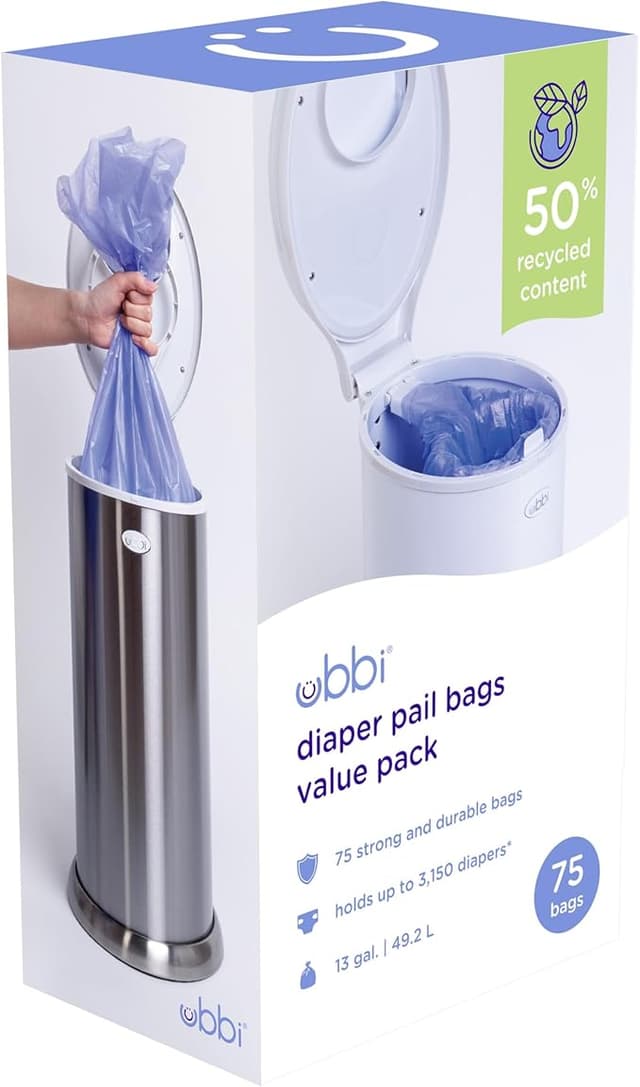
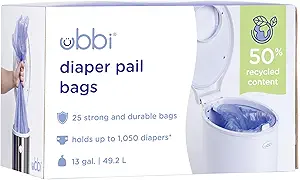
So here's the honest rundown, because I've now been through a stack of these refills — the Ubbi UBBI Pail Refill — and I've also tried the generic "fits Ubbi!" bags you see cheaper on the same search page. I own the pail. I've filled these things more times than I want to admit. Let me tell you where the real refill earns its keep and where it doesn't.
The price thing, straight
Look, nobody enjoys paying for a bag whose entire job is to hold diapers. I get the flinch. A twin-pack of the real Ubbi refills runs me around $20, and the generic knockoffs sit a few dollars under that — call it $16 or $17 for a comparable count. On the shelf, that gap feels like free money. Grab the cheap one, right?
Except I ran the generics for about two months and the math flipped on me. The off-brand bags were thinner, and thin bags mean you burn through the roll faster because you're not fitting as many changes before the liner sags and you have to cinch and swap. I was pulling a new bag noticeably sooner. Over a year of a kid in diapers — and that's a lot of diapers, you know the number if you're reading this — those extra swaps add up to more rolls bought. The $3 I "saved" per pack quietly turned into buying more packs. So the real refill isn't cheaper on the sticker, but it stretched further per bag, and that closed the gap and then some.
Fit and install — does it actually seat?
This is where the genuine Ubbi refill just behaves. The install itself is nothing — you lift the lid, pull the spent liner out of the compartment (mine unclips on the side, yours might just lift out depending on the model), drop the new refill in, and line up the locking bit so it sits snug. Close the lid, give it the little test push to confirm the mechanism grabs. Thirty seconds, and half of that is me finding a place to set the new diaper down.
The real refill drops into the ring like it was measured for it — because it was. The generics I tried fit, technically, but two of them sat a hair proud of the seat and I had to tuck the plastic down by hand so the lid would close clean. Small thing. But at 2 a.m. with a baby on the changing table, small things are the whole game. I don't want to be fighting a bag.
Where it's honestly better, and where it's just… fine
The odor control is the part I didn't expect to care about this much and now won't give up. The Ubbi pail is steel with a rubber seal, so a lot of the smell-trapping is the pail itself — but the refill material matters more than I figured. The genuine bag is a thicker, denser plastic, and over a full load it holds the smell in better than the thinner generics did. With the off-brand liners I'd get a little waft on lid-open by day three or four. With the real refill it stays boring right up until it's full. Boring is exactly what you want from a diaper pail.
Now, is it perfect? No. And I'd be lying if I sold it that way.
The real downsides — because there are some
First: the packaging is genuinely cheap and a little annoying. The refills come coiled tight in a way that, fresh out of the box, wants to spring back on you. The first pull of a new roll, I usually have to feed it through and hold it a second before it cooperates. Minor, but it's real, and it's the first thing you'll notice.
Second, and this is the one that actually matters: these are not a bottomless roll. Each refill has a set length, and if you're the type who lets the pail get properly stuffed before swapping, you'll go through them faster than the box implies. I learned to cinch and tie off a little earlier than my gut wanted to, because if you overpack it, the seal at the top stops sitting flush and — there it is — the smell you were paying to avoid. So there's a bit of a discipline tax. You have to swap the bag on the pail's schedule, not yours.
And that's the part that folds into why any of this matters at all. A diaper pail that's let go too long isn't just unpleasant. A warm, sealed steel bin full of soiled diapers is a nice little home for bacteria and, if you really neglect it, mold — and that's sitting in your kid's room. Swapping the refill on time and keeping the mechanism clean isn't fussiness, it's the actual point of owning the thing. Skimp on the liner or stretch it too far and you've undercut the one job the pail exists to do. I'd rather change the bag a day early than open that lid and get surprised.
So who should buy what
If you're the kind of person who's going to forget the pail exists for a week at a time, or you're between kids and barely using it — honestly, grab whatever's cheapest and don't overthink it. You won't stress the material enough to notice the difference.
But if this pail is in daily rotation, if it's in the nursery and it's working for its living, I'd buy the genuine Ubbi refill. I have — repeatedly. It fits without a fight, it holds the smell longer per bag, and the couple of extra bucks up front quietly pays itself back in bags you don't have to swap as often. It's not glamorous. It's a plastic bag for a bin of diapers. But it does its one job without making me think about it, and after enough 2 a.m. changes, that's the entire review. For roughly $20 a pack, it's the one I keep reordering.