Troubleshooting & Analysis
The film clicks into the cutter and that's when you know
First thing I noticed, before anything else, was the sound. You feed the new film down into the Ubbi's twist mechanism, give the top a quarter turn to seal it, and there's this soft plastic snick as the cutter grabs the layers. On the OEM refill that click is crisp. On this generic one it's a touch softer, a hair less confident — like the film is a smidge thinner where it seats. I stood there in the nursery at 6 a.m., half-asleep, holding a wad of film, thinking "okay, is this going to hold or am I about to smell regret by lunch?"
It held. Four months of holding, actually. But let me back up, because I didn't trust it at first either.
The math that made me even try the generic
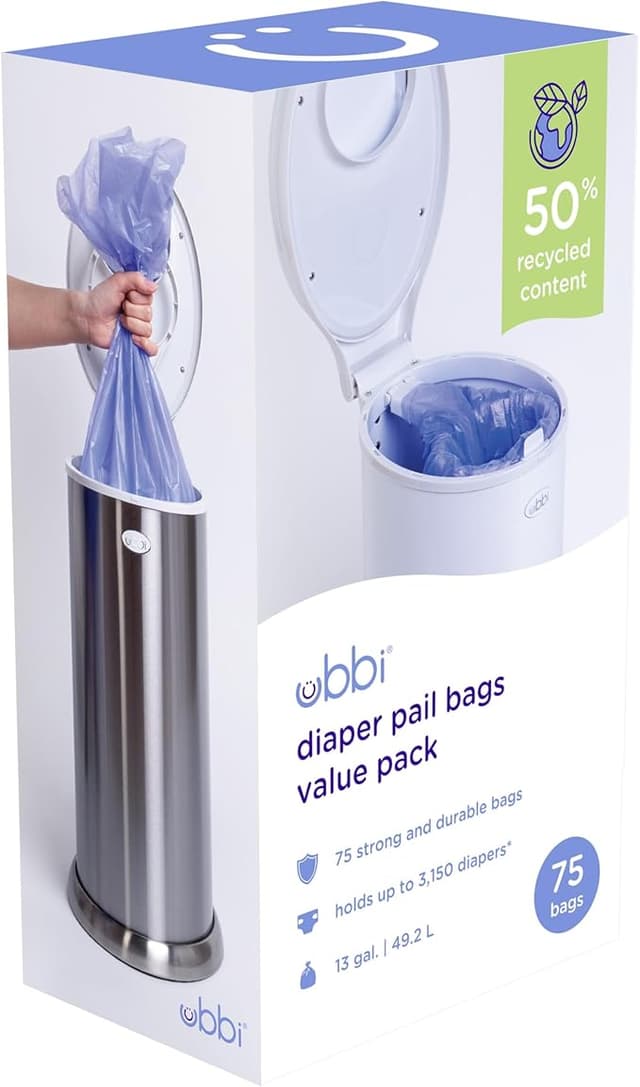
Here's what pushed me. A two-pack of the name-brand Ubbi refill runs me somewhere around $24 depending on the week, and if you've got a newborn you are burning through that film faster than you think — a busy pail eats a refill roughly every four to six weeks. Do that year-round and you're staring down well over $100 a year just on plastic sleeves whose entire job is to sit in a can and smell like nothing.
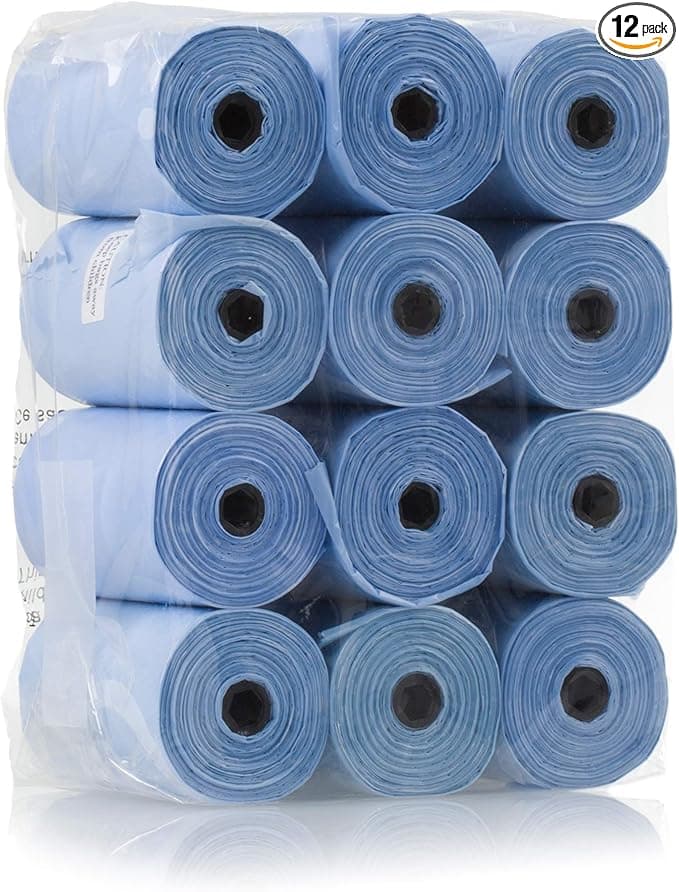
The generic refill I switched to lands closer to half that per length of film. Same twist-and-cut system, same pail, same slot. Over a year that's the difference between one dinner out and, well, a lot of diapers. When the actual product is a roll of multi-layer film, I have a hard time believing the OEM version is doing something secretly magical to justify double.
Does it actually fit the Ubbi? Yes — with one honest caveat
The install is dead simple and identical to the real thing. Pop the lid, pull the old used bag out (do this carefully — if you yank it you can catch a corner and, uh, learn a lesson), unbox the new refill and find the loose end of the film. You want a decent length pulled through so you've got room to work. Thread it down through the slot in the top of the pail, tie off the bottom end into a knot so nothing falls through, and twist the top ring to seal it against the cutter. That's it. If you've changed the OEM refill even once, your hands already know the motion.
The caveat: the cardboard core on the generic sat a touch looser in the well than the branded one. Not loose enough to rattle around or misfeed — it fed fine every single time — but if you're the kind of person who notices a wobble, you'll notice it. I stopped noticing by week two.
The performance part everybody actually cares about — the smell
Because that's the whole point of this can. If the film doesn't lock odor, none of the savings matter, and you'll be back to a bag on the porch railing like an animal.
The generic film is genuinely thick — you can feel the layers when you pinch it, and it's clearly built to trap gas, not just wrap a diaper. Day to day, with the lid closed, my nursery does not smell like a nursery. Newborn diapers, then the heavier solid-food-era diapers when we crossed into that delightful chapter — the Ubbi with this film handled both. I'd honestly put the everyday odor containment at basically dead even with the OEM refill. I could not tell you which was in the can on a normal day.
Where OEM edges it, and I want to be straight with you: on the pail-is-full, hasn't-been-emptied-in-three-days, mid-July stretch, I think the name-brand film gives you maybe a slightly longer grace period before the funk sneaks past the seal. It's marginal. It's the difference between "empty it tomorrow" and "empty it today." But over months of use, that's the one place I felt the price gap actually showing up.
The real downsides, because a filter with no flaws is a lie
The packaging is cheap. The box is thin, the print is a little crooked, and there's zero of the tidy premium presentation you get from the branded refill. Doesn't affect the product at all, but if you were expecting something that looks nice on a shelf, this ain't it. It's a functional roll of film in a functional box.
There's also a faint plastic smell right out of the wrapper — the first day or two the fresh film has that new-vinyl odor. It aired out fast and never mixed with anything, well, worse. But if you're sensitive to that, crack the box open and let it sit for a few hours before you thread it in.
And the thinner film means I'm a little more careful when I tie off and cut. On the OEM I could be lazy and rough. On this one, a sloppy knot near a sharp diaper tab could theoretically nick it. Twice in four months I re-tied because a knot looked marginal. Thirty seconds each. Not a dealbreaker, but it's real, and I'd rather tell you than have you find out.
Why you don't want to stretch a used refill anyway
One thing this whole exercise reminded me: the film is the only barrier between your family and a can of soiled diapers slowly composting in a warm room. Let it run low, tie your last bag off in a thin scrap of film, leave it too long, and you're not just fighting smell — a warm, damp, sealed pail of dirty diapers is a genuinely good home for bacteria and mold. That's the actual reason to keep fresh film in the thing and swap it on schedule instead of squeezing every last inch. Cheap film you'll actually replace on time beats expensive film you ration.
So who should buy which
If you run a low-traffic pail, empty it on a reasonable schedule, and you'd rather put the saved cash toward literally anything else a baby demands — get the generic. That's me. I've bought it more than once now, and I'll keep buying it.
Buy the OEM instead if you tend to let the pail go a long time between empties, run it in a hot room, and that extra sliver of odor grace period is worth the premium to you. Some people's setups genuinely need the margin.
For everyone else? It's a roll of film. This one does the job the expensive one does, for about half the price, and after four months in my own nursery I stopped thinking about it — which is the highest compliment I can pay a diaper pail refill.