Troubleshooting & Analysis
Sixty-four dollars. For a folded paper cylinder.
That's what the brand-name cartridge rang up to the last time I walked into the pool store holding my old, gray, half-collapsed filter like a dead fish. Sixty-four bucks, plus tax, and the kid behind the counter didn't even blink. I did. Because my Intex-style setup eats one of these every season, sometimes twice if the cottonwood gets bad in June, and I'd just done the math standing in that aisle: I'd paid more for replacement filters over three summers than I paid for the whole filter pump.
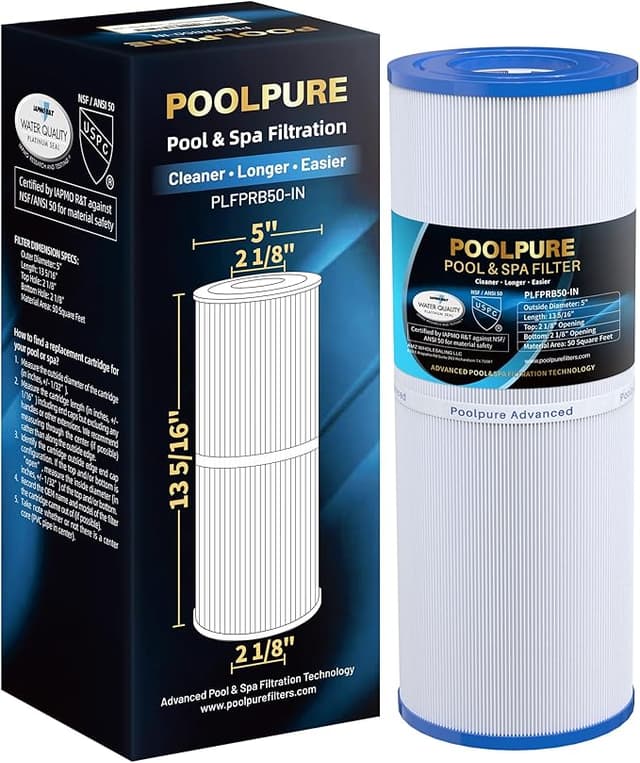
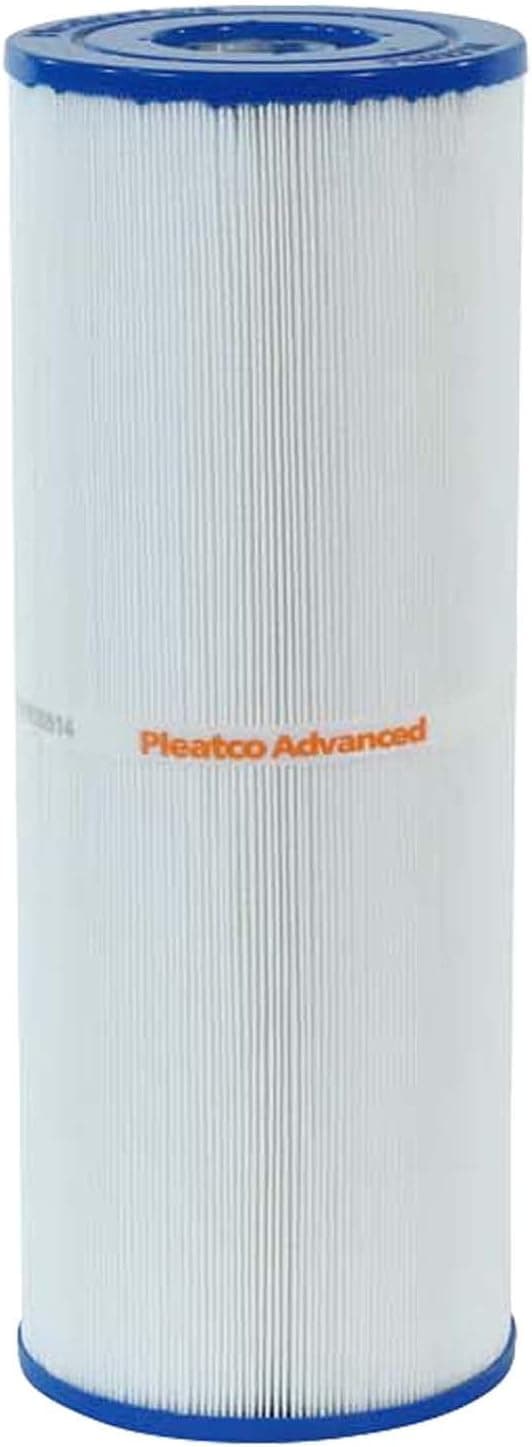
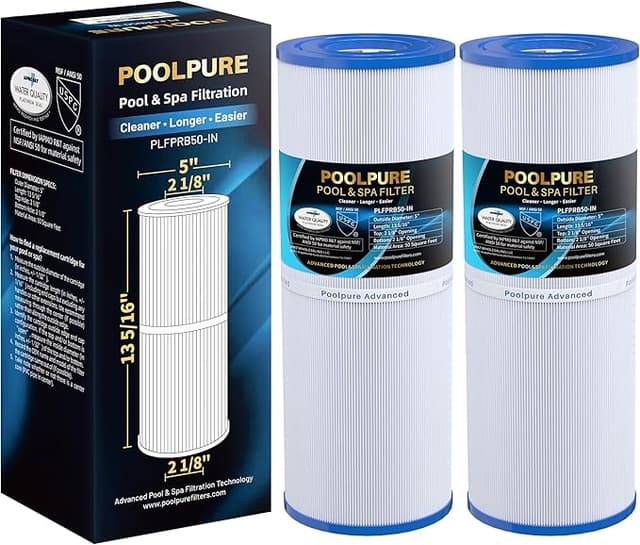
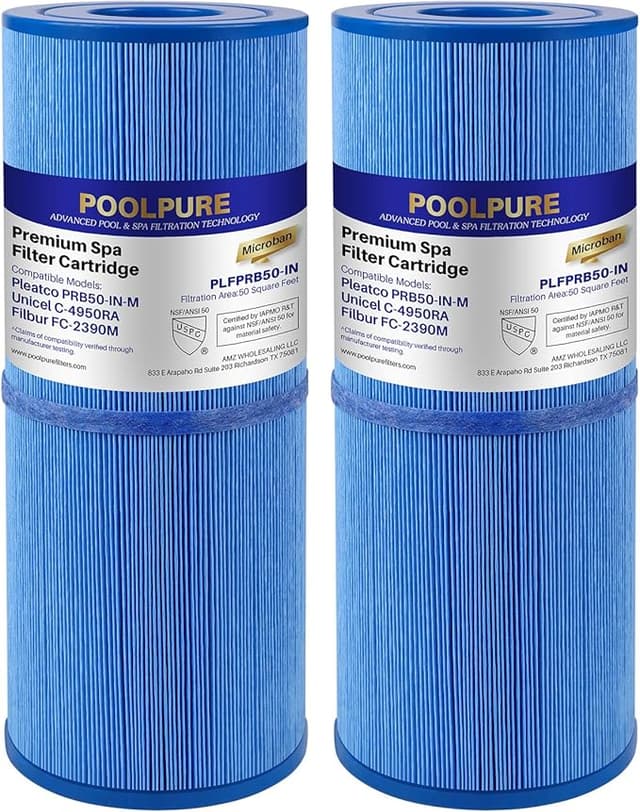
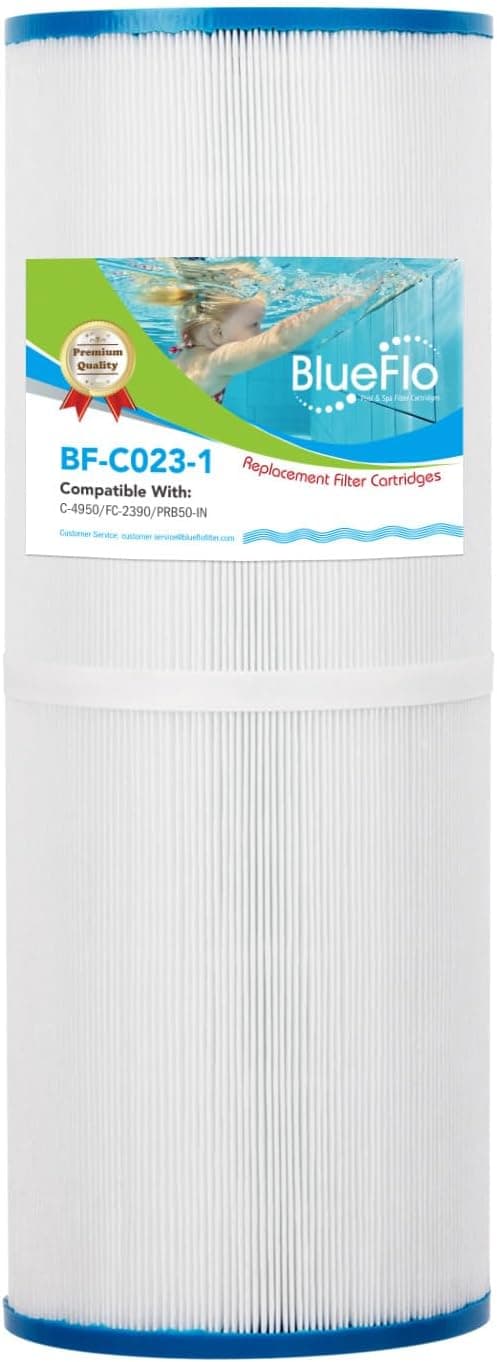
So I went home, looked up the compatible — the Pleatco-style C-4950 cartridge that fits the C-2390 / C-2385 / PRB50-IN housing — and found it for about $26. Less than half. And then I did what you're probably doing right now: I stared at it and thought, okay, but is the cheap one going to turn my pool green?
The price gap, laid out plainly
Here's the part nobody at the pool store wants on a sign. The OEM-branded version of this cartridge sits in the $50-$64 range depending on where you catch it. The compatible C-4950 I've been running lands around $24-$28. Call it a $36 swing per cartridge. If you change it twice a season — once at open, once mid-summer when the pleats are caked — that's roughly $72 a year you're handing over for the privilege of a familiar logo on the end cap.
Over the life of a pool that you keep for, what, eight or ten years? You're looking at hundreds of dollars. For the same job. That number is what made me actually try the off-brand instead of just grumbling about the real one.
Does it actually fit, though
This is where compatibles usually fall apart, so I'll be specific. The C-4950 dropped into my PRB50-IN housing with no drama. The diameter is right, the height is right, the top and bottom end caps seat where they're supposed to. When I lowered it in and the lid threaded back down, I got that same little resistance-then-seat feeling you want — the gasket compresses, the cap meets the standpipe, done.
One honest note: the molded handle on top of the end cap is a hair flimsier than the OEM's. The plastic feels a touch thinner. I don't care, because that handle exists only so you can yank a soggy filter out without slicing your fingers on the pleats, and it's done that fine every time. But if you're the kind of person who notices that the off-brand feels a gram lighter in the hand — yeah, you'll notice.
If you've never swapped one of these: kill the pump first. Always. Pump off, then crack the housing, lift the old cartridge straight up, and have a hose ready because the gunk that comes out of a season-old filter is genuinely revolting. Rinse the housing seat so the new gasket has clean plastic to sit against, then lower the C-4950 in and tighten by hand. Prime, restart, watch for bubbles at the lid. Whole thing's a ten-minute job.
How it actually performs
I ran the C-4950 through a full summer in a 14-foot above-ground pool, full sun, two dogs who think the pool is their personal lake, and a maple that sheds whenever it feels like it. Clarity-wise? I genuinely could not tell you which cartridge was in the housing on any given week. Water stayed clear, the pressure gauge climbed at about the same pace it always does, and backwashing — well, rinsing — brought the flow right back.
The pleat paper is the part I watched most closely, because that's where corners get cut on cheap filters. The pleats on this one are spaced evenly and they're bonded to the end caps solidly. I've had a no-name cartridge years ago where a pleat literally peeled off the cap mid-season and started bypassing dirt straight through the gap. Not this one. After a full summer the pleats held their shape and the bands around the middle kept them from splaying open under load.
Where's it a touch behind OEM? Longevity, maybe — and I want to be careful here because I can't prove a few weeks. My honest read is that the brand-name pleat paper might give you a slightly longer service life before it's permanently gray and won't rinse clean. Maybe a couple extra weeks. At a $36 price difference, I'll buy two compatibles for the price of one OEM and still come out ahead, even if I have to change them marginally more often. The math doesn't care about a few weeks.
The real downsides — because there are some
The packaging is cheap. It showed up in a thin plastic sleeve, no rigid box, and one of the end caps had a tiny scuff from rattling around in shipping. Cosmetic, didn't affect the seal, but if you're squeamish about that kind of thing, set expectations.
Second: there's a faint plastic-and-paper smell out of the wrapper for the first day. It rinses off and the pool dilutes anything anyway — we're talking parts of a drop in thousands of gallons — but I always run the pump a full cycle before anyone gets in, on principle, with any new cartridge. New or OEM, doesn't matter.
Third, and this is the one that actually matters: quality control on compatibles is a touch less consistent batch to batch. Mine were great. But I'd rather you hear it from me — check the end caps are square and the pleats aren't crushed the moment it arrives, and if something's off, return it. The good sellers take it back without a fight.
Why you can't just skip the change
Look, the reason I obsess over this at all: a saturated filter isn't a minor inconvenience. Once the pleats are packed solid, water stops flowing through them and starts forcing past them, which means your pump is straining against a wall it can't push through. That's how you cook a pump motor. And the water that does get through carries whatever the filter should've caught — and in warm, under-circulated water, that's where the stuff you really don't want swimming with starts to multiply. A $26 cartridge is the cheapest insurance against a $200 pump and a green pool you have to shock back from the dead.
So who should buy what
If you run a high-end inground system, you're chasing maximum service life to minimize how often you're elbow-deep in the housing, and the price gap is rounding error to you — buy the OEM, sleep easy. No argument from me.
But for the rest of us — above-ground pools, seasonal setups, anyone who changes this cartridge once or twice a summer and would rather keep the difference — the compatible C-4950 has earned its spot in my housing. I've run it a full season, it kept my water clear, it seated right, and it did the exact job the sixty-four-dollar one did for less than half the money. I bought it skeptical. I've reordered it twice since. That's the most honest endorsement I've got.