Troubleshooting & Analysis
The morning my SH90 started yanking instead of shaving
I knew the heads were done before I admitted it. There was this one Tuesday — running late, half-asleep — and instead of that smooth quiet pass down my jaw, the razor caught. Tugged a patch of hair right under my chin and pulled it instead of cutting. I winced, kept going, and by the time I rinsed off there were two angry red lines along my neck. Razor burn from a shaver I'd babied for three years. That was the moment I realized the blades had gone dull without me noticing, the way it always happens — slowly, then all at once.
My first instinct was the dumb one: maybe I just need a whole new shaver. The SH90 series isn't cheap, and once a thing starts misbehaving your brain jumps straight to "replace the entire machine." I had a $190 new model in my cart for about ten minutes. Then I closed the tab and did the math, because that's a lot of money to throw at a problem that's basically three small cassettes worth of dull metal.
The price gap that actually changed my mind
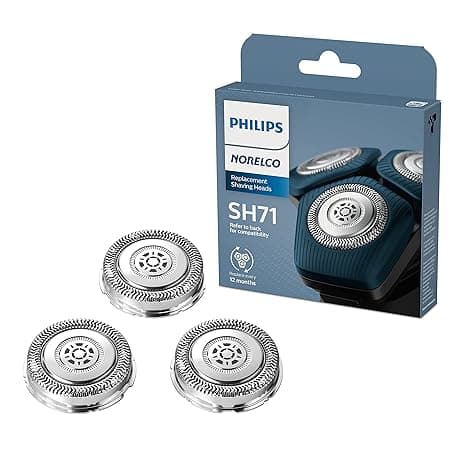
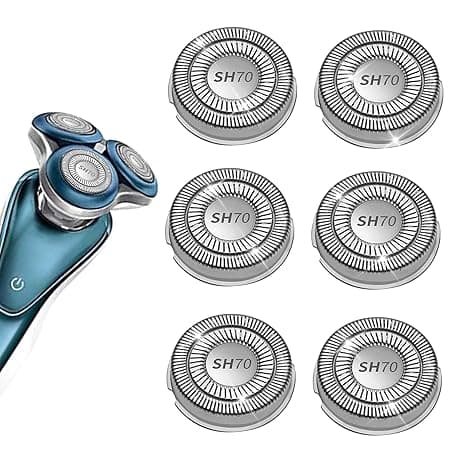
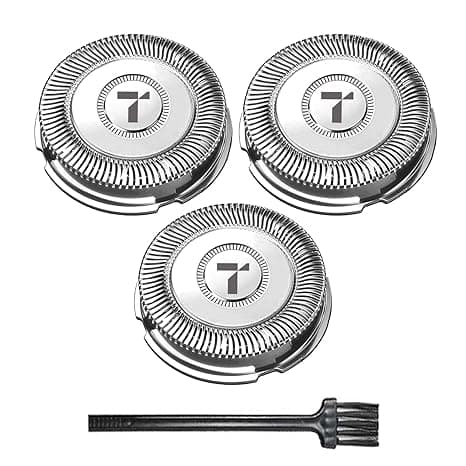
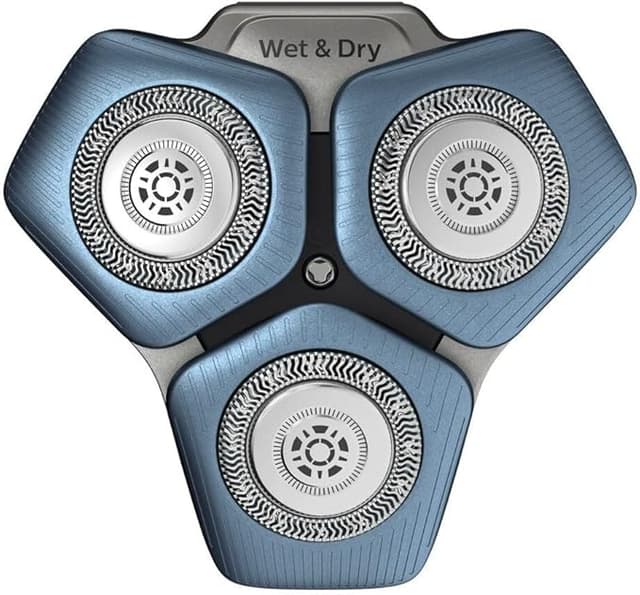
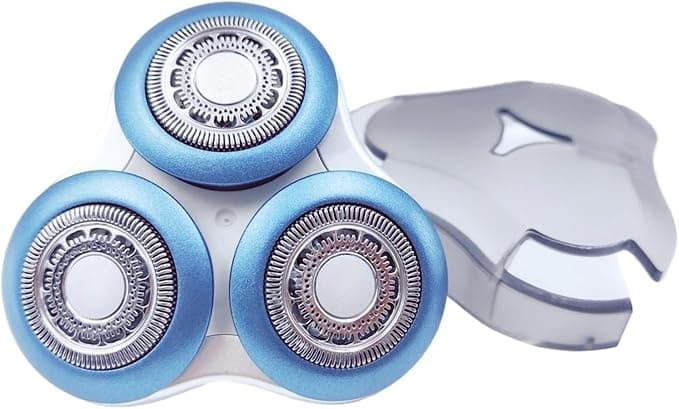
Here's the thing nobody tells you when your Norelco starts pulling: the body of the shaver is fine. The motor's fine, the battery's fine, the ergonomics you got used to are fine. It's the cutting heads — the SH90 cassette — that wear out. Philips wants somewhere around $45 for the genuine replacement head pack, and depending on where you look it creeps up toward $50. The compatible SH90-fit heads I ended up buying ran me about $22.
So the choice was never really $190 new shaver versus old shaver. It was $45 OEM cassette versus a $22 compatible one — a $23 gap for the exact same job. And since these heads are supposed to get swapped roughly once a year, that gap compounds. Run the genuine route and you're paying ~$45 every twelve months. The compatible route, $22. Over five years that's $115 versus $230. I'm not made of money. I went with the cheaper set, fully expecting to regret it.
Did it actually fit? Mostly yes — with one fiddle
I'll be honest, I didn't trust the install. Aftermarket parts have a reputation, and I half-expected the cassette to wobble or sit proud of the frame. The swap itself is dead simple — you press the release buttons, the old head pops out, and the new cassette snaps in. On my unit it seated with a clean click, the same click the originals make. No play, no rattle when I shook it.
The one fiddle: on first install the cassette went in a touch stiff, and I had to re-press it twice before I felt it lock fully flush. The molding tolerances on the compatible heads are a hair looser than Philips' — you can feel it if you're paying attention, a slightly less premium snap. Once it was in, though, it stayed in. I oiled it — one drop, smeared across the cutters, the way you should with any new head — and ran it dry against my palm to check for catching. Smooth.
How it shaves after four months
This is the part that matters, and I want to be precise because "it's fine" is what every lazy review says. Closeness: genuinely on par with OEM for the first several weeks. That first shave after months of pulling was almost startling — quiet, even, no tug. My neck, which is where the dullness showed up first, was the clearest test, and it passed.
Where it's a touch behind: longevity, I think. I'm four months in and I can feel the very faintest drop in glide compared to week one. The genuine heads, in my experience, hold their edge a little more stubbornly deep into the year. With these I suspect I'll be swapping closer to the ten-month mark than a full twelve. Still cheaper overall, but I'd rather tell you that than pretend they're identical metal.
The real downsides, not the polite ones
The packaging is cheap — flimsy plastic blister, no satisfying box, and one of the three cassette pieces in my pack had a tiny cosmetic scuff on the outer guard that didn't affect the shave but did make me raise an eyebrow. There was also a faint plastic-and-machine-oil smell the first two or three uses; it aired out, but it's there at the start. And quality control is clearly a notch below Philips — I've read enough buyer reports to believe that one in a batch can come slightly off-spec. Mine were good. Yours might need a return. That's the gamble at this price, and I won't pretend it isn't.
One more practical thing nobody mentions: keep your old worn cassette for a week after swapping, just in case the new one shows a defect early. I almost tossed mine in the trash the same day and would've had nothing to fall back on if the replacement had been a dud.
Why a dull head is more than an annoyance
Worth saying plainly, because the failure I started with wasn't cosmetic. Dull SH90 blades don't just shave worse — they pull hair instead of slicing it, and that drag is exactly what causes razor burn, ingrowns, and that raw stinging feeling along the neck. A shaver that yanks is a shaver that's actively roughing up your skin every single morning. Letting it ride to "get your money's worth" out of old heads is a false economy paid in irritation. The fix is cheap. The damage from not fixing it isn't.
The verdict — who should buy what
If you've got a special-occasion relationship with your shaver, or your skin is genuinely temperamental and you can't risk a single off-batch head, buy the genuine Philips cassette. The $45 buys you tighter QC and that last bit of edge longevity, and for some people the certainty is worth the premium. No shame in it.
But for me — an ordinary face, an ordinary morning routine, and a real dislike of overpaying — the compatible SH90 head did the job. It snapped in, it shaves close, it killed the razor burn that started this whole thing, and it cost less than half. Four months in, no regrets. When this set wears down I'll buy the cheap one again, because I already have, and my neck is doing just fine.