Troubleshooting & Analysis
The click is how you know it's right
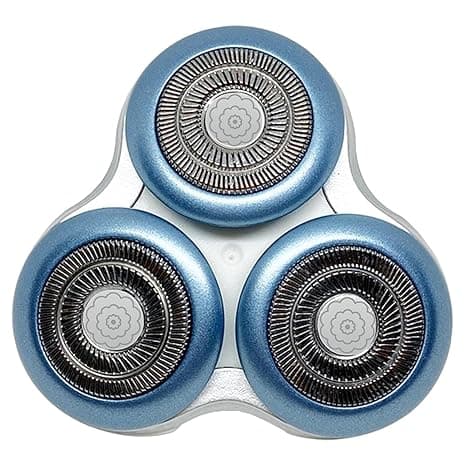
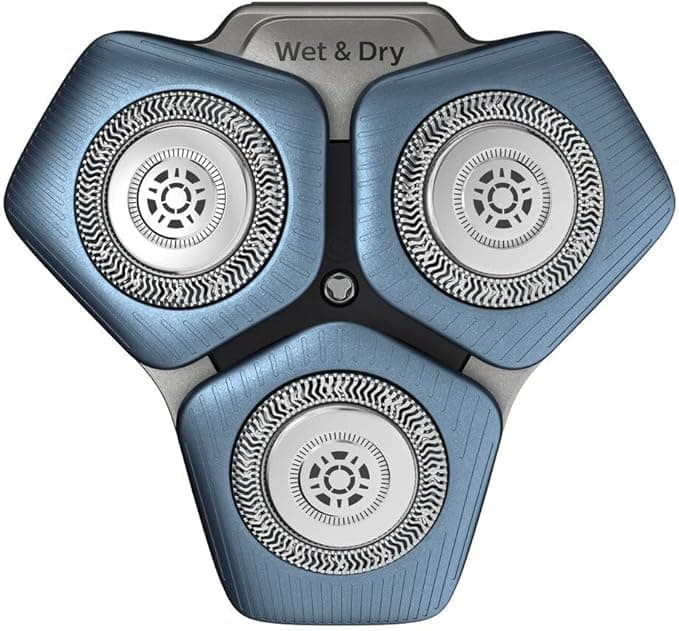
First thing I noticed wasn't the shave. It was the smell — a faint, sharpish plastic-and-machine-oil scent the first morning I popped the new head on. Not chemical, not awful, just new. Gone by day three. The thing I cared about more was the click. When you seat a replacement cassette on a Norelco rotary, there's a specific little snap as the cutter assembly locks down, and a cheap aftermarket part that fits wrong won't give you that. This one did. Solid, square, no wobble when I gave it a tug. So before I'd even run it across my jaw I already knew the fit wasn't going to be the problem.
Here's why I was standing in my bathroom doing this at all. My Norelco had gotten mean. You know the feeling — the shaver's pulling hairs instead of slicing them, you're going over the same patch under your chin four times, and your neck is lit up red an hour later. That's not the motor dying. That's dull cutters. The blades and the foil-style combs wear down, the edges round off, and the whole thing starts tugging. Most people assume the shaver's shot and start pricing new ones. It isn't shot. It needs a new head.
The actual money, because that's the whole point
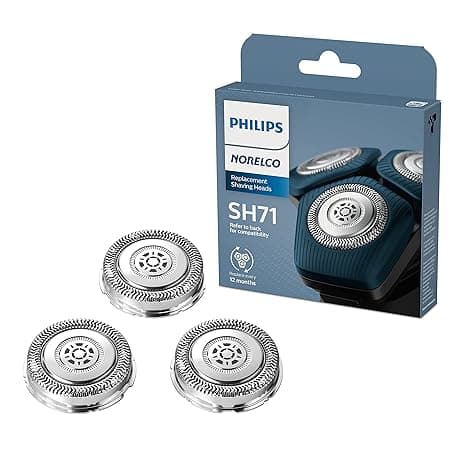
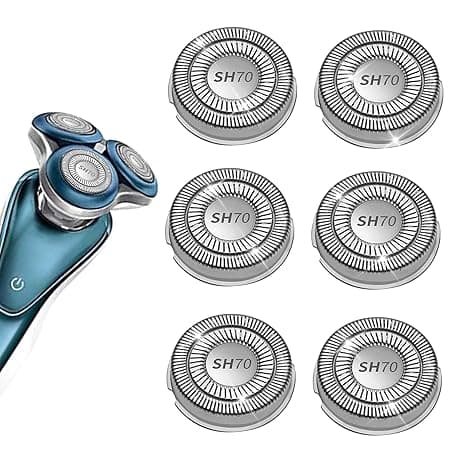
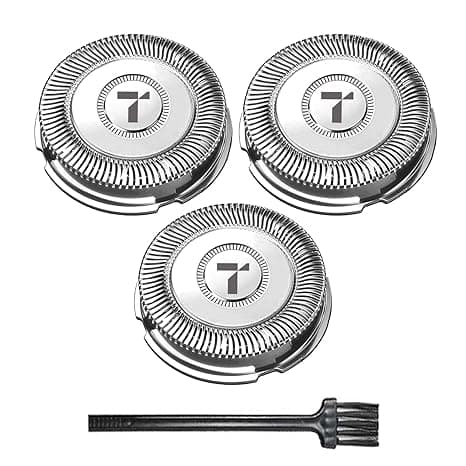
A brand-new mid-range Norelco runs you, what, eighty to a hundred and forty bucks depending on the model. A genuine Philips replacement head pack is usually somewhere in the forty-to-fifty range, and they are not shy about it — Philips knows the head is the consumable and they price it like printer ink. The compatible cassette I bought was under twenty. Same job. Same fit. Roughly half the OEM price, and a small fraction of buying a whole new shaver you do not need.
Run the annual math and it gets sillier. Norelco tells you to swap the head about once a year for daily use. So you're choosing, every single year, between a ~$45 OEM part and a ~$20 compatible one. Over the life of one shaver — say five or six years — that gap is real money. It's a tank of gas versus a nice dinner out, every year, for doing the identical thing.
Install: genuinely thirty seconds
I'm not handy and this didn't test me. You press the two release buttons on the head, the old cassette lifts straight off, and you drop the new one in until it clicks — there's that snap again. That's it. The one step people skip and shouldn't: a single drop of light oil on the cutters before you run it the first time. The new edges are a touch grabby out of the package, and that drop of oil smooths the first few shaves while everything beds in. Took me longer to find the oil in my cabinet than to do the swap.
How it actually shaves
Honest take, because that's what you came for. The first pass after install, the difference is almost dumb. The tugging was just gone. Hair that my dying head had been wrestling with, the new cutters took down clean in one or two passes, and my neck — the part that always rebelled — stayed calm. A close, comfortable shave, the way the machine felt when it was new.
Where's it a hair behind genuine Philips? Two things, and I'll be straight about both. The cutters seem to run a touch less refined right out of the gate — that first week there's a faint extra buzz, a little more vibration in the hand than I remember a fresh OEM head having. It settles. By the second week I couldn't tell the difference by feel. And — I have no lab, so I won't pretend — I'd bet the OEM steel holds its edge a few weeks longer over a full year. Maybe. We're talking the tail end of the cycle, not the part you'll actually notice day to day.
The real downsides, no sugar
The packaging is cheap. Thin blister card, a little printing that looks photocopied, none of the heft of a Philips box. It rattled around in the shipping envelope and I had a moment of "did I just buy junk." I hadn't — but if a premium-feeling unboxing matters to you, this isn't it. And the frame plastic feels a notch lighter than genuine. It seats and holds fine, but hold an OEM head and this one side by side and you'll feel the OEM is denser. None of that touches the shave. It's just the stuff nobody puts in the product photos.
Why a tired head is more than annoying
This isn't only comfort. A dull, worn shaver head is what gives you the razor burn, the ingrowns, the irritated neck — because it's dragging hair out instead of cutting it, and it's pressing harder to do it. People nurse a worn head for an extra six months to dodge a $45 part and spend that whole time with a sore face. When the cheap fix is twenty bucks and thirty seconds, limping along makes no sense.
Who should skip this
If you're under warranty, or you're the kind of person who genuinely sleeps better with the Philips name on the part, buy OEM — no argument, it's a good head and the extra twenty-five bucks buys you that. Same if you've got a high-end Series 9000 unit you babied; I'd personally stay first-party on the flagship.
But for a standard daily-driver Norelco that's just gone dull? I ran this compatible cassette for months, it fixed the tugging on the first pass, the fit clicked home like it should, and it cost me half. The plastic smell faded, the cheap box went in the recycling, and the shave is the shave. I'd buy it again — and the next time mine goes dull, I will.