Troubleshooting & Analysis
I didn't believe a $20 replacement head could be fine either
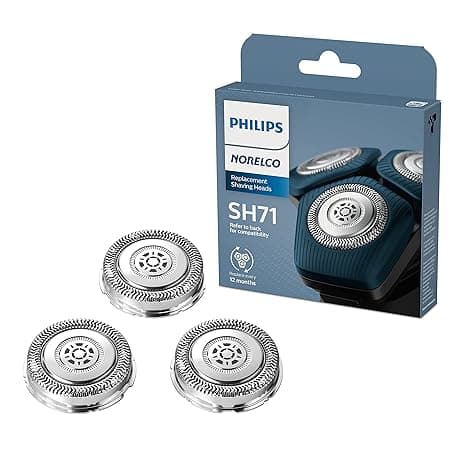
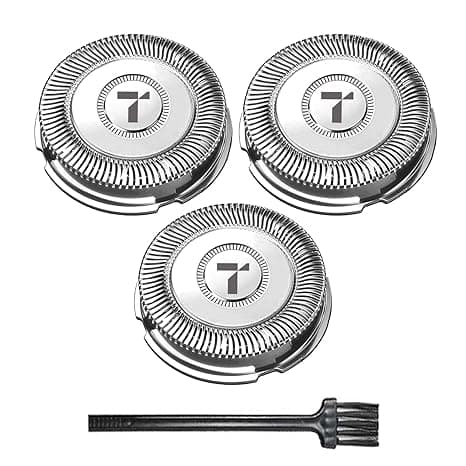
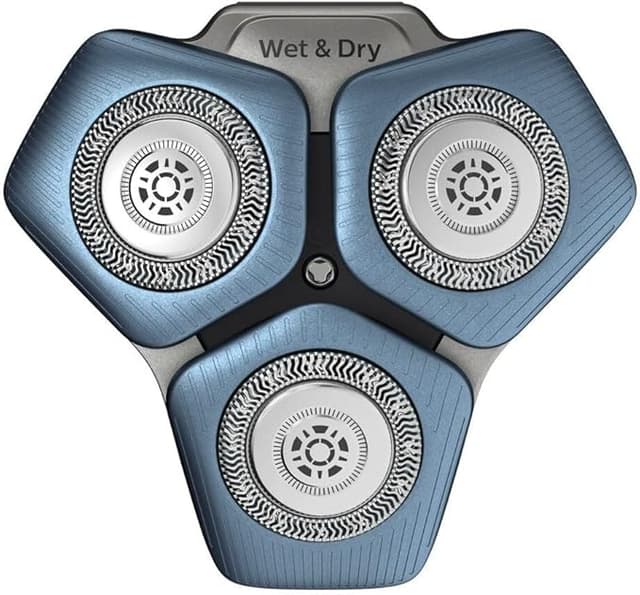
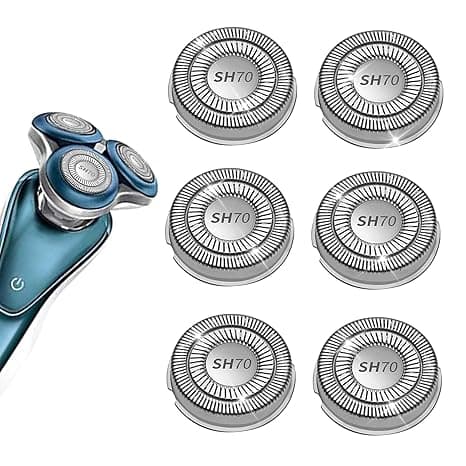
Here's the thing. I've owned a Norelco Series 7 for years, and when the shave started feeling like dragging a butter knife across my jaw, I did what the box tells you to do — I went looking for a genuine replacement head. Then I saw the price. Forty-something dollars for a part that, let's be honest, is three little spinning discs and a holder. And right next to it sat a compatible one for about twenty.
My gut said no. A consumable cutting part is exactly the place where cutting corners bites you, right? A bad head means a bad shave, ingrown hairs, maybe scratching up the actual shaver. I almost paid the OEM tax just to not think about it. Instead I bought the cheap one, half expecting to write a warning review. That's not the review I ended up writing.
The price gap is not small, and it repeats
Let me lay out the math the way I actually did it at my kitchen table. The genuine Series 7 head runs roughly $45 when it's not on some sale. The compatible one I bought was right around $20 — call it 40 to 55 percent less depending on the week. Norelco tells you to swap the head about once a year if you shave regularly. So over the life of the shaver — say you keep it five or six years, which I have — that's the difference between spending $250+ on heads versus a bit over $100. For the same job. That gap is the whole reason this product category exists.
And nobody is paying $45 because the OEM disc is made of unobtanium. You're paying for the name printed on the blister pack.
Does it actually seat right?
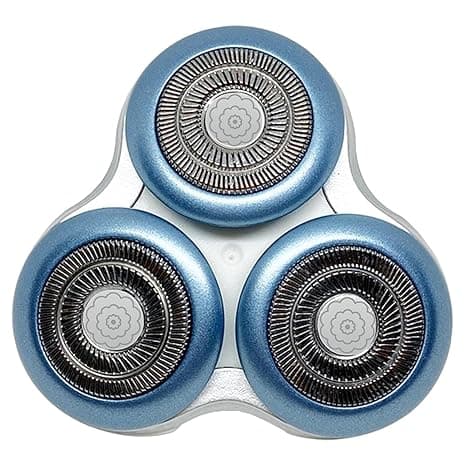
This was my first real worry. The Series 7 head is a press-and-click assembly — you power the shaver off, pop the cap, lift the old head holder out, drop the new discs in matching the orientation of the originals, and snap the holder back down. The compatible set followed that exact sequence with no surprises. The discs dropped into their seats, the holder clicked shut, and the flex of the pivoting head felt normal when I ran it over my chin.
I'll give you the honest nitpick, though. The plastic holder on the compatible discs felt a hair less precise than the original — a tiny bit more play when I clicked it in. Not loose. Not rattling. Just noticeably less "machined." Once it was seated and the cap was on, I couldn't feel any difference in use. But if you're the kind of person who notices that stuff during install, you'll notice it.
The shave itself
I ran the compatible head as my daily for about four months before writing a word of this. Day one was a genuinely clean shave — the discs were sharp, no tug, and on the three-day stubble I'd grown out to test it, it cut down without me having to go over the same spot five times. That's the real test of a fresh head, and it passed.
Where's it a touch behind OEM? Two things. First, the very sharpest edge — that brand-new factory bite the genuine discs have on day one — felt maybe a half-step less keen out of the gate. By day three the difference was gone, because honestly a genuine head settles in too. Second, on the longest, coarsest neck hair I felt it work a little harder than I remember the OEM doing. We're talking small. If I hadn't been deliberately comparing, I doubt I'd have flagged it.
Closeness on a normal day's growth? I genuinely couldn't tell the two apart in the mirror, and neither could the back of my hand at the end of the day.
The downside I want you to hear
So here's my real one. The packaging is cheap — a thin blister card, no protective tray under the discs like the genuine box has. One of mine had a faint plastic-and-oil smell when I first opened it, the kind you get from fresh-molded parts. It rinsed off in the first cleaning and I never smelled it on my face. But it's the little signal that you bought the budget version, and you should expect that signal rather than be surprised by it.
I'd also say this plainly: track your replacement date. The one place a worn cutting head actually causes trouble isn't the shaver itself, it's your skin — a dull head means you press harder and go over the same patch again, and that's where irritation and ingrowns come from. A $20 head you swap on time beats a $45 head you stretch to eighteen months out of guilt. Cheap enough that there's no excuse to run it past its life.
Who should still buy genuine
If your shaver is brand new and under warranty, and you're the type who'd worry that a third-party part voids something — just buy OEM for now and skip the anxiety. And if you have genuinely reactive skin where even a small change throws you off, the consistency of the original might be worth the premium to you. No shame in that.
For everyone else? I've now bought the compatible Series 7 head twice — the second time without a moment's hesitation, which is the most honest endorsement I can give. Same install, a shave I can't distinguish on any normal day, for less than half the price. I went in expecting to warn you off it. Instead I'd tell you the nervous version of me a year ago was wasting money on the label.